

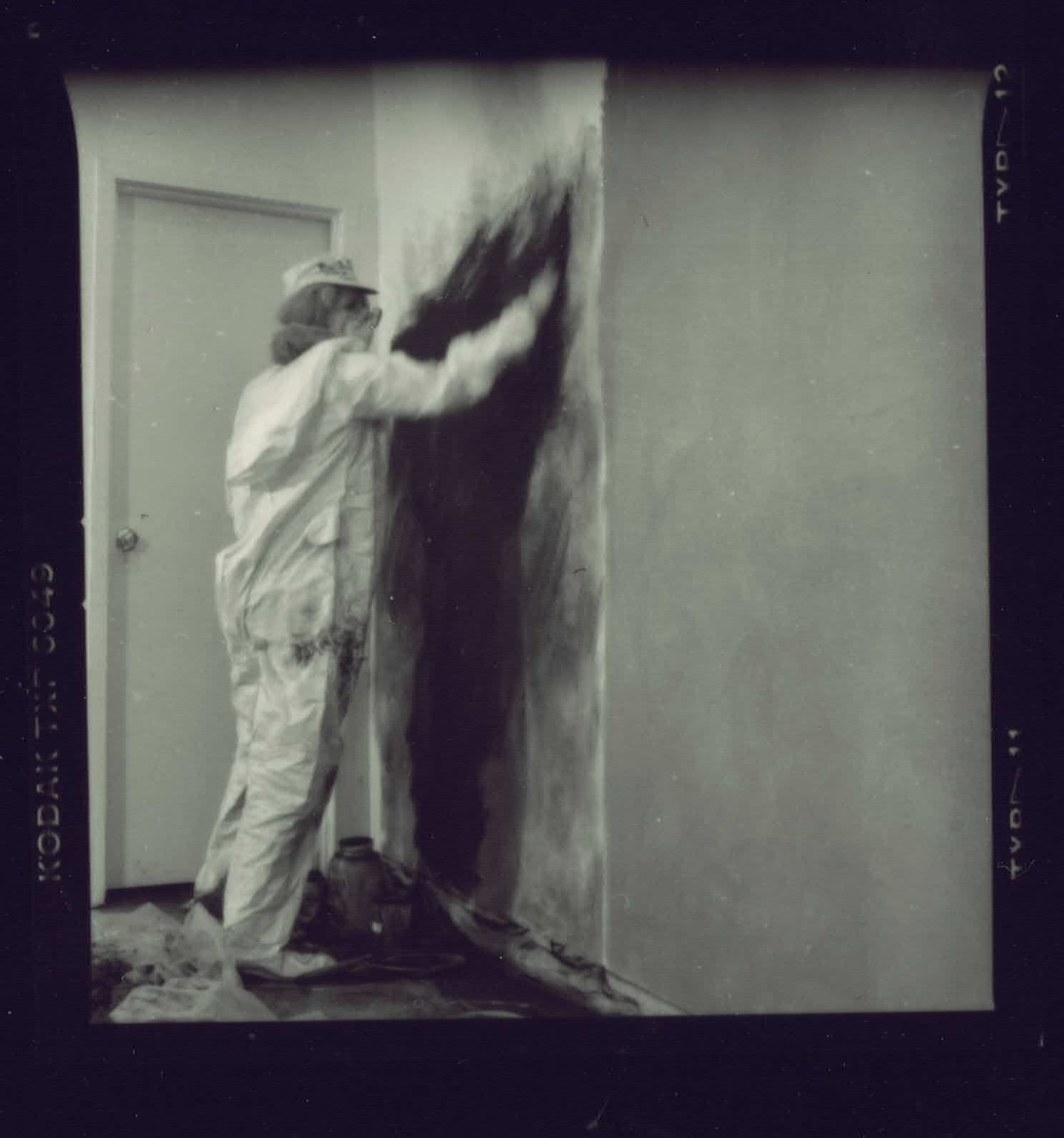
In 1987, I curated an exhibition called Up South, pairing six artists with six nonprofit organizations in Brooklyn to explore what could happen when aesthetic vision and grassroots activism occupied the same space. The title came from a 1985 Time magazine article examining the pervasiveness of segregation in the American North.
One of the artists in that exhibition was Mierle Laderman Ukeles, the revolutionary public artist at the center of tonight’s Rivertown Film Society screening of Maintenance Artist.
Long before museums and municipalities embraced the language of “social practice,” Ukeles was collapsing the boundaries between art, labor, and civic life. In 1977, she became the first artist-in-residence at New York City’s Department of Sanitation, transforming the routines of maintenance workers into acts of public performance and cultural visibility.
I had first encountered her work through footage of choreographed street sweepers moving in hypnotic formation after Fifth Avenue parades — sanitation vehicles operating like ballet companies inside the machinery of government. But by the time we worked together on Up South, Ukeles’ attention had expanded beyond maintenance alone. She partnered with the Jewish Community Relations Council of New York and confronted racism through deeply personal work rooted in her identity as a Jewish woman. In one statement she wrote, “Racism is a boundless pit within each of us… a terror of the difference of the other.” Wearing a hazmat suit in one performance, she challenged New Yorkers to recognize what society discards — and insisted that “a person can never become garbage.”


That spirit animates Maintenance Artist, the first feature documentary devoted to Ukeles’ life and work. Directed by Toby Perl Freilich, the film traces how Ukeles transformed caregiving, sanitation, motherhood, and municipal labor into radical acts of artistic expression. Through archival footage and decades of public interventions, the documentary reveals an artist who injected art directly into the bloodstream of civic life.
Tonight’s screening also offers something distinctly local. Following the film, Freilich will join a conversation led by Kristina Burns, chair of the Village of Nyack Public Arts Advisory Committee and one of the Hudson Valley’s most imaginative cultural organizers. Burns shares Ukeles’ instinct for bringing art out of galleries and into the lives of unsuspecting audiences.

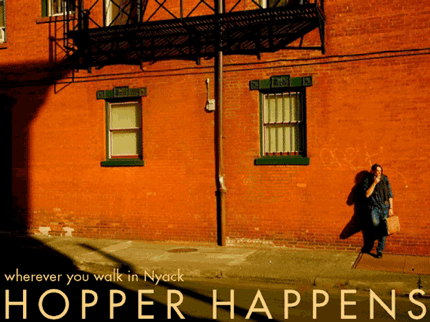
In Nyack and at GARNER Arts Center, Burns has repeatedly turned public space into a living canvas — transforming parking lots into drive-ins, buildings into PSA projection screens, and entire communities into collaborative cultural experiences like her 2011 Hopper Happens activations.
Her recent work surrounding the 25th anniversary of GARNER Arts Center unleashed a flood of artistic encounters across the historic industrial campus: monumental textiles, dance performances, marble carving, experimental film, poetry, music, public sculpture, plein air artmaking, screen printing, and portraits suspended above the creek. Like Ukeles, Burns understands that art is most powerful when it interrupts ordinary life and asks people to see their surroundings differently.


“None of what you see at GARNER would have been possible without the booms, fork lifts, ladders, tools, engineering advice and the steadfast support of the maintenance crew of the GARNER Historic District,” Burns said.
Burns, Mierle Laderman Ukeles and the film Maintenance Artist dedicate themselves to celebrate the creativity and dedication daily maintenance requires and recognizes the essential role of all kinds of maintenance workers.
Arrive early tonight and you’ll encounter another example of art meeting public work: Working Will Be The Work, a short film created with the Nyack Department of Public Works and projected onto the side of a DPW truck before the feature presentation begins.
The evening is more than a film screening. It is a conversation about labor, preservation, public space, and the invisible work that holds communities together. Few artists have explored those ideas more profoundly than Ukeles. Few local cultural leaders embody them more energetically than Burns. And few communities are better suited for that conversation than Nyack.
Help Rivertown Film commemorating 25th years of cultural service and buy tickets here for tonight’s screening and discussion. Doors open at 7:30pm
The Nyack Center is located at 58 Depew Avenue, Nyack, NY
An activist, artist and writer, Bill Batson lives in Nyack, NY. Nyack Sketch Log: “Pioneers of Social Practice Art Tonight at Rivertown Film” © 2026 Bill Batson. Visit billbatsonarts.com to see more.