A history of a changing waterfront landscape
People come to Nyack’s Memorial Park for many reasons. Some fish along the shoreline or walk onto the observation pier. Others visit the butterfly garden, sit in the gazebo, stare at the half-submerged concrete barge, use the skateboard park, bring children to the playground, walk dogs, picnic, watch the sunrise, or take photos of the Hudson River.
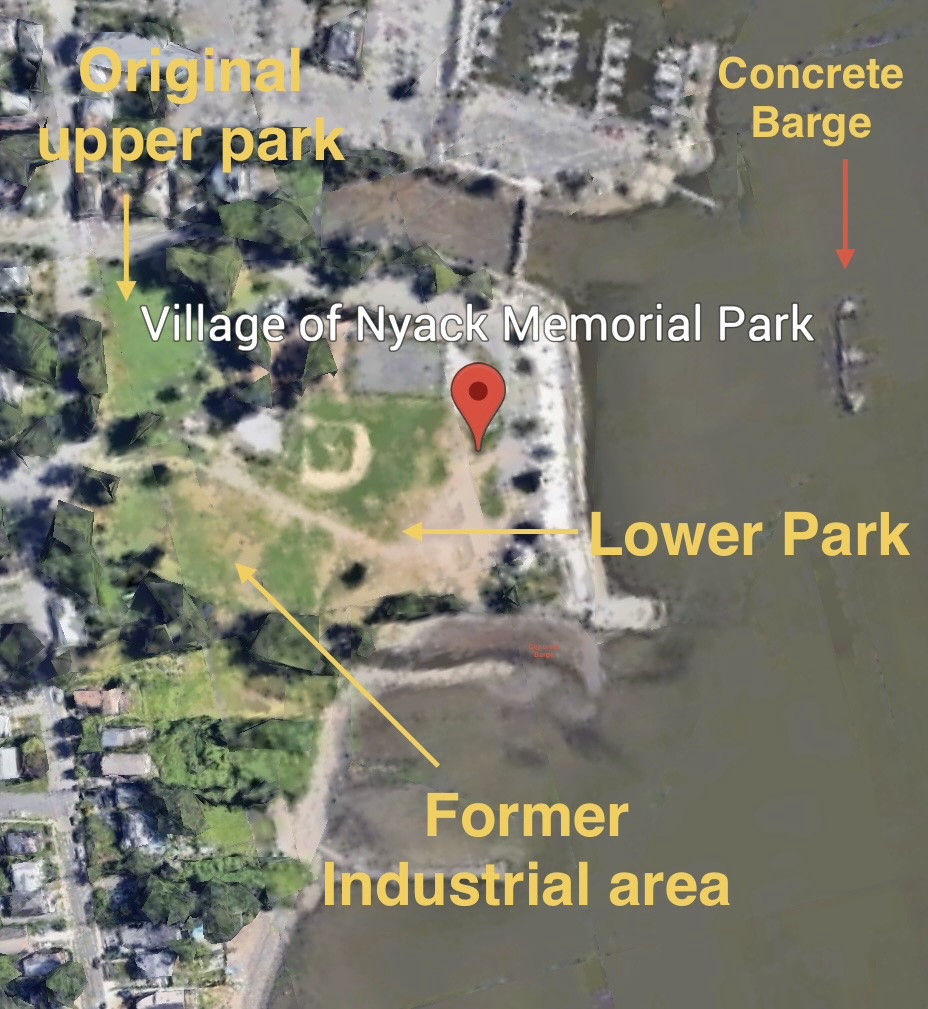
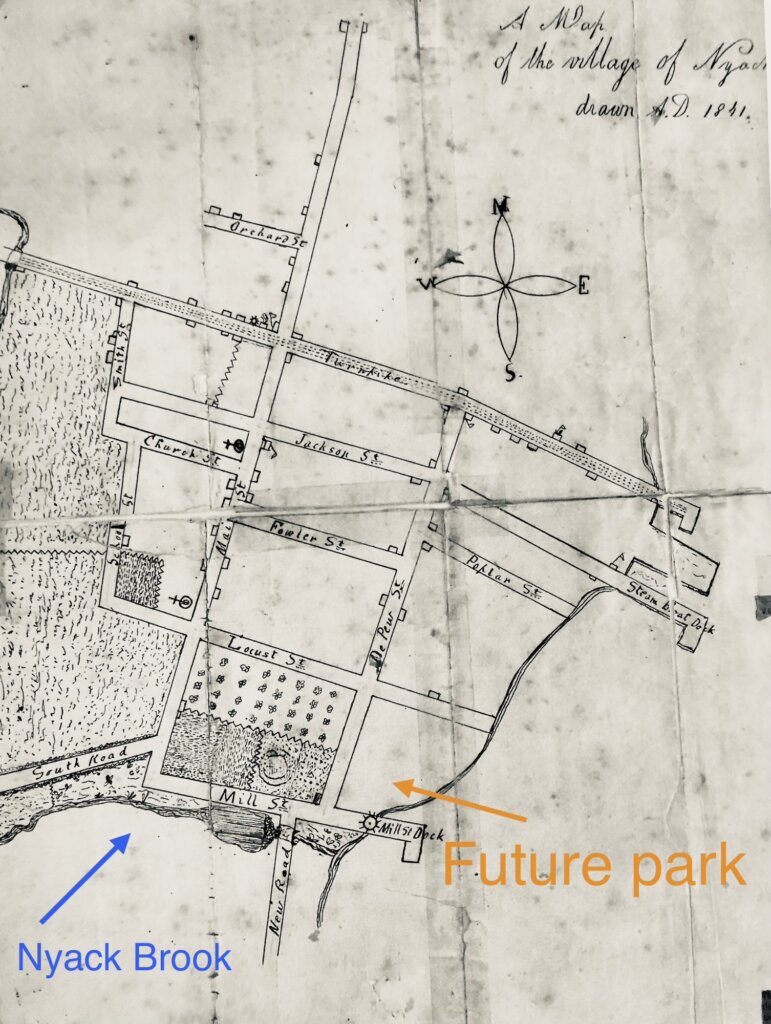
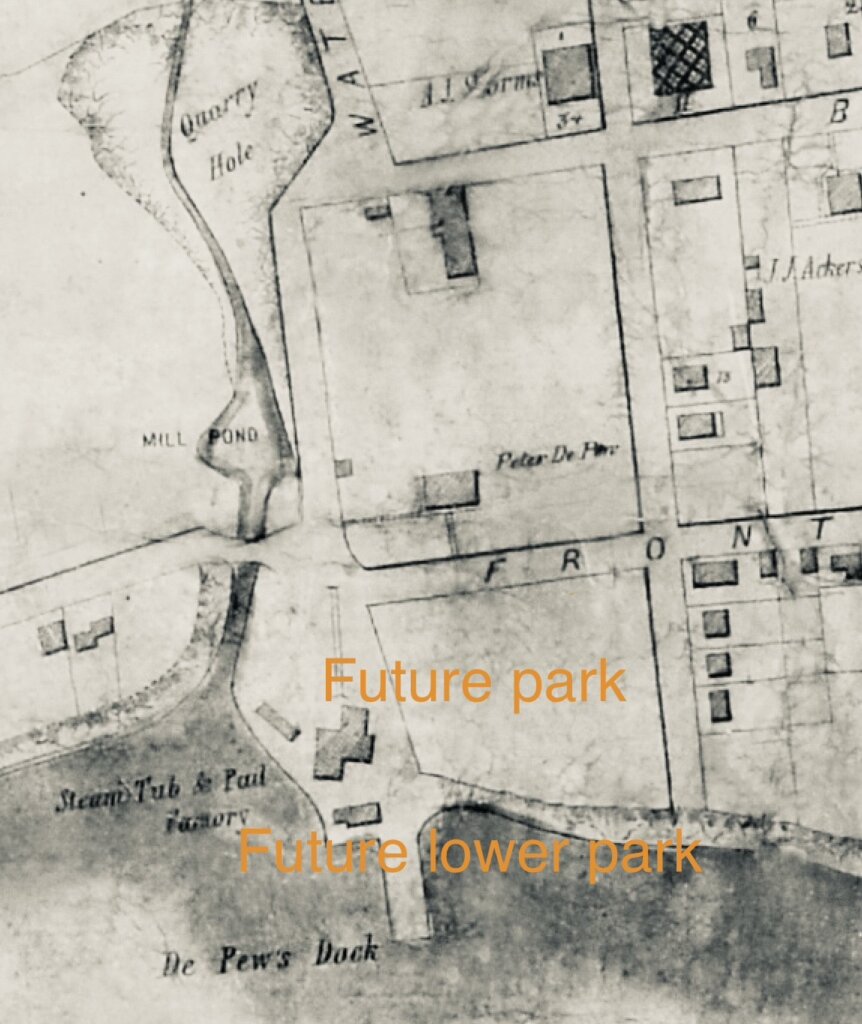
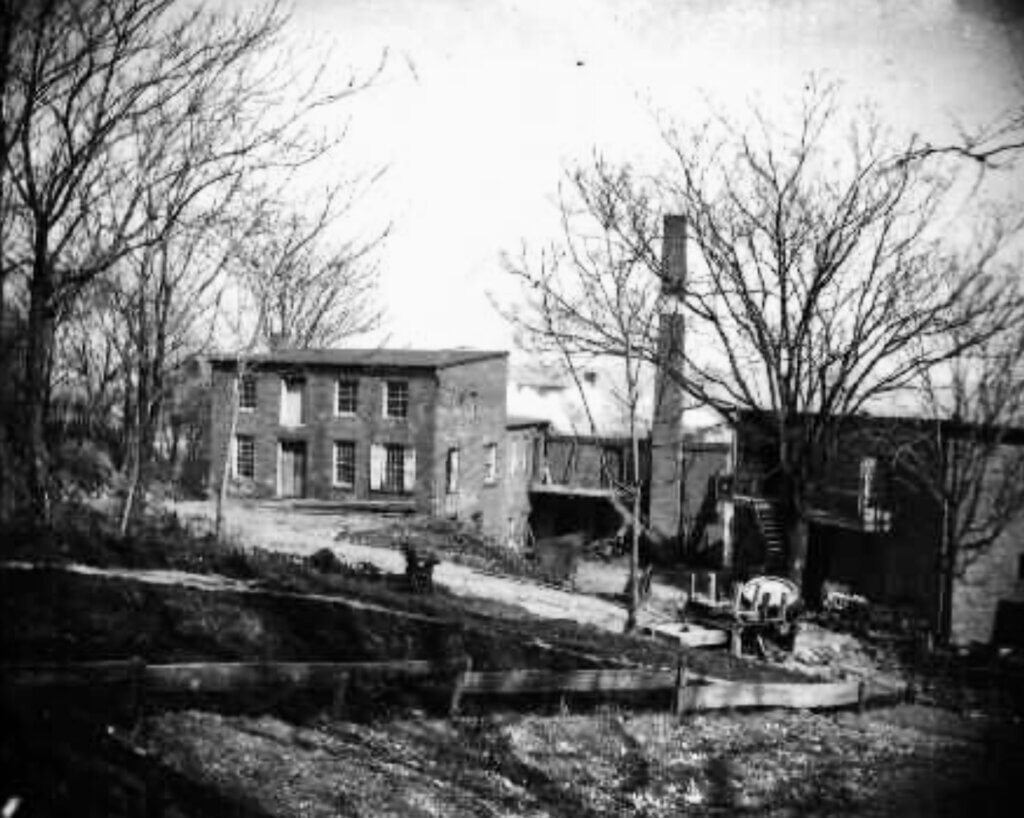
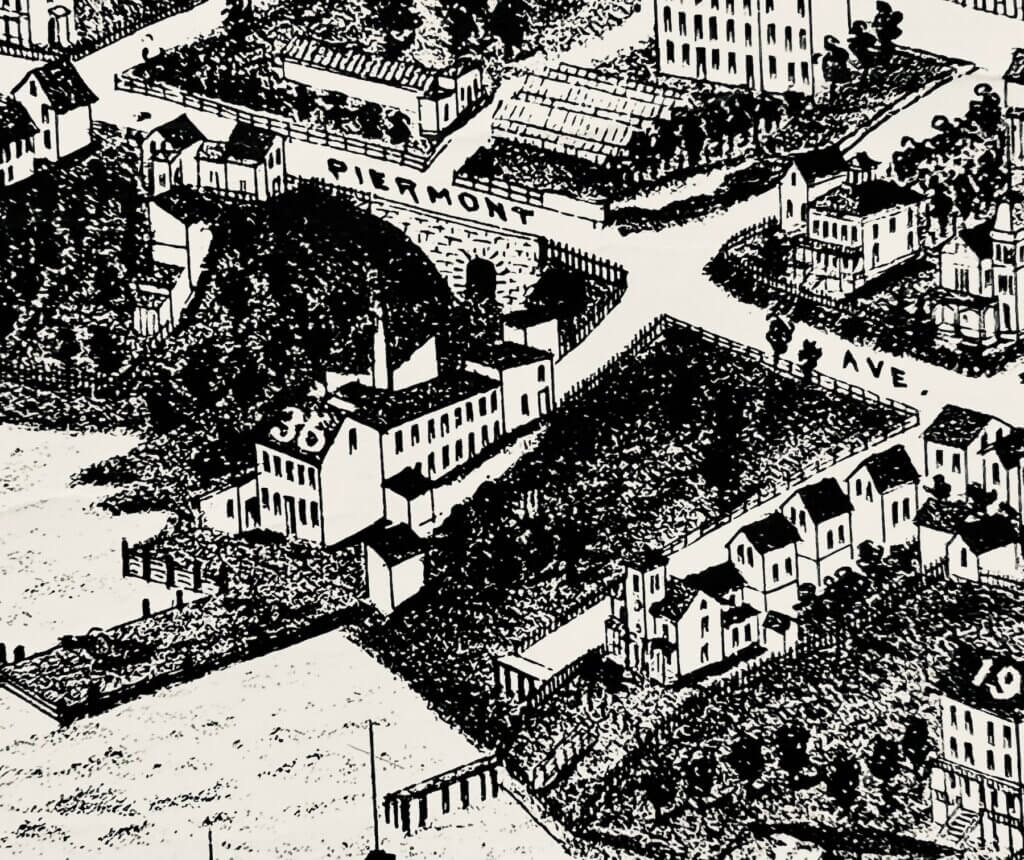
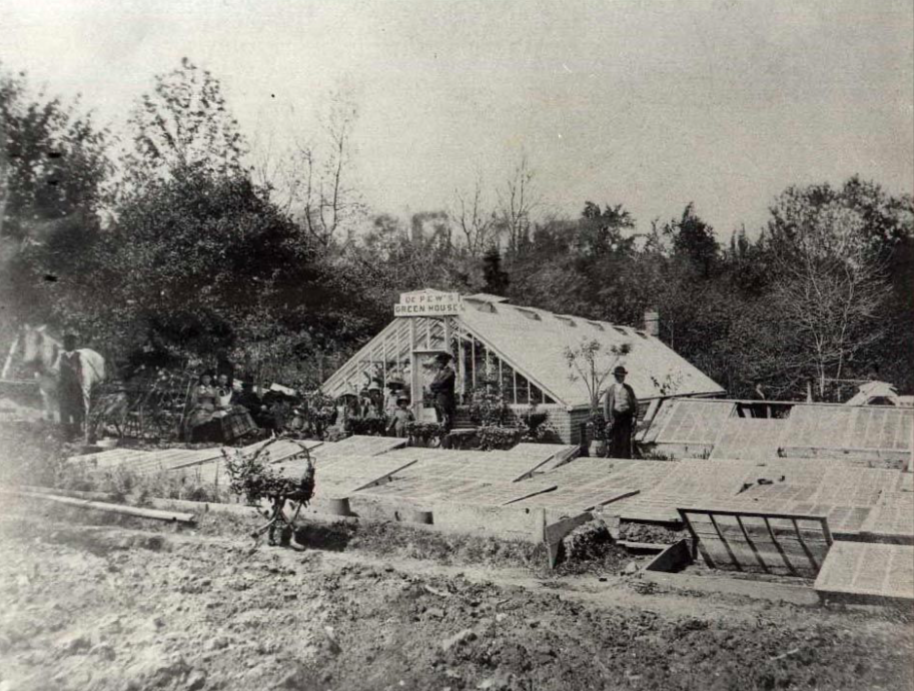
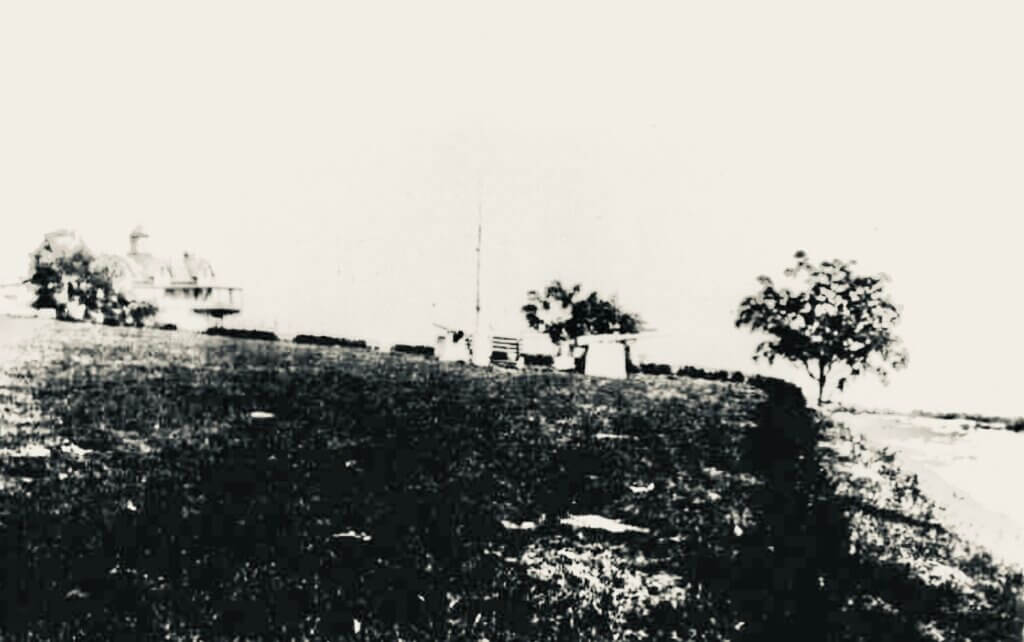
Yet the familiar park contains a hidden history. The open lawns, paths, memorials, and river views replaced a crowded industrial shoreline at the mouth of Nyack Brook. Mills, docks, factories, greenhouses, and commercial activity once filled ground now associated with recreation and remembrance.
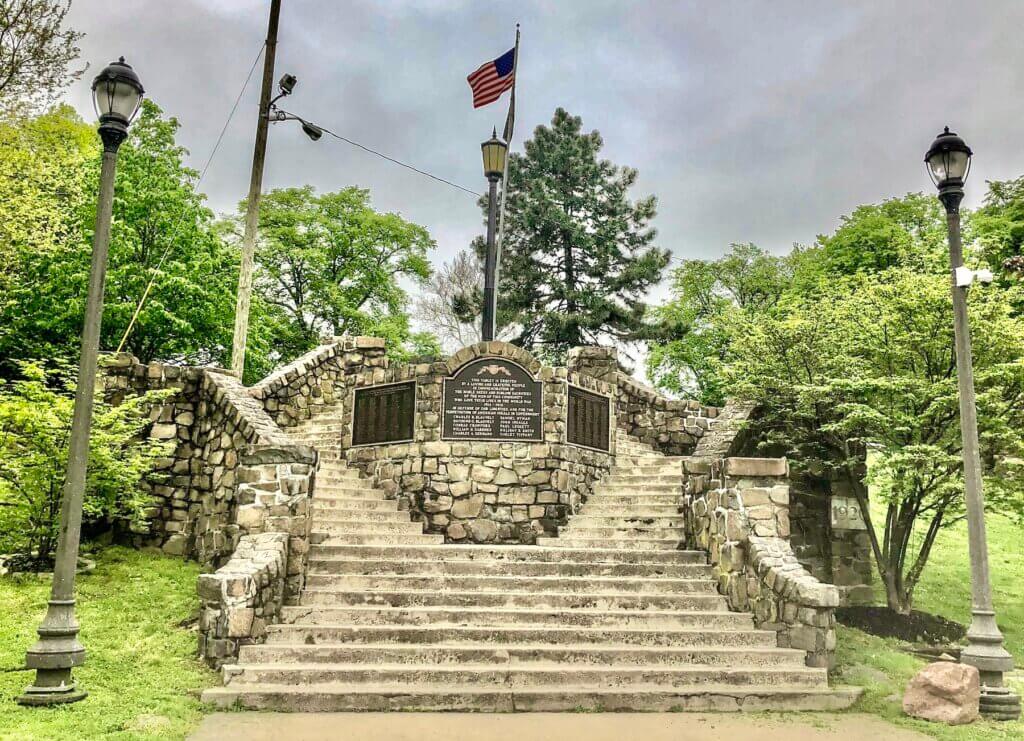
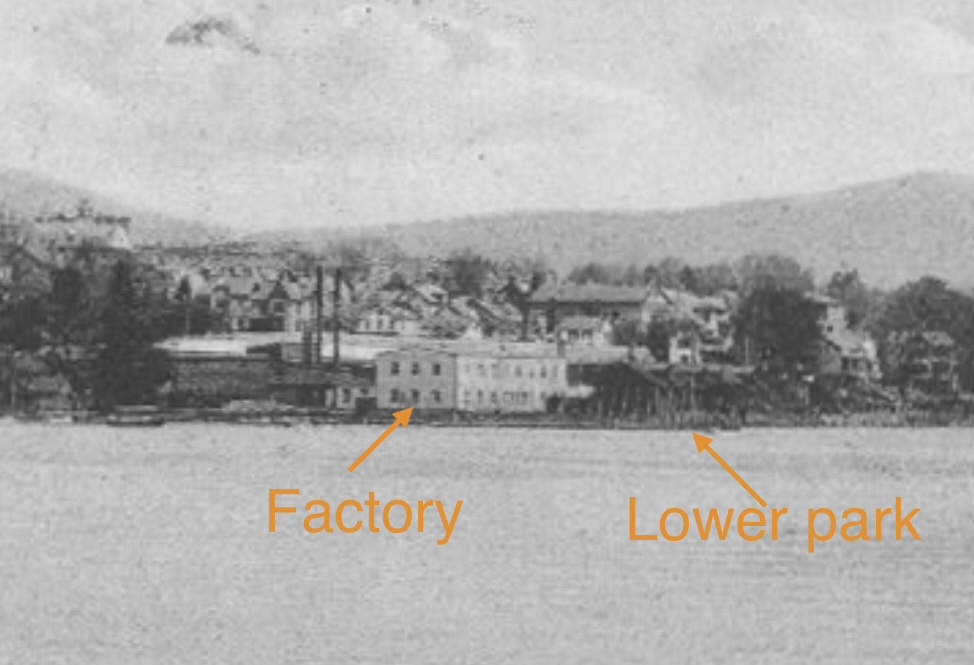
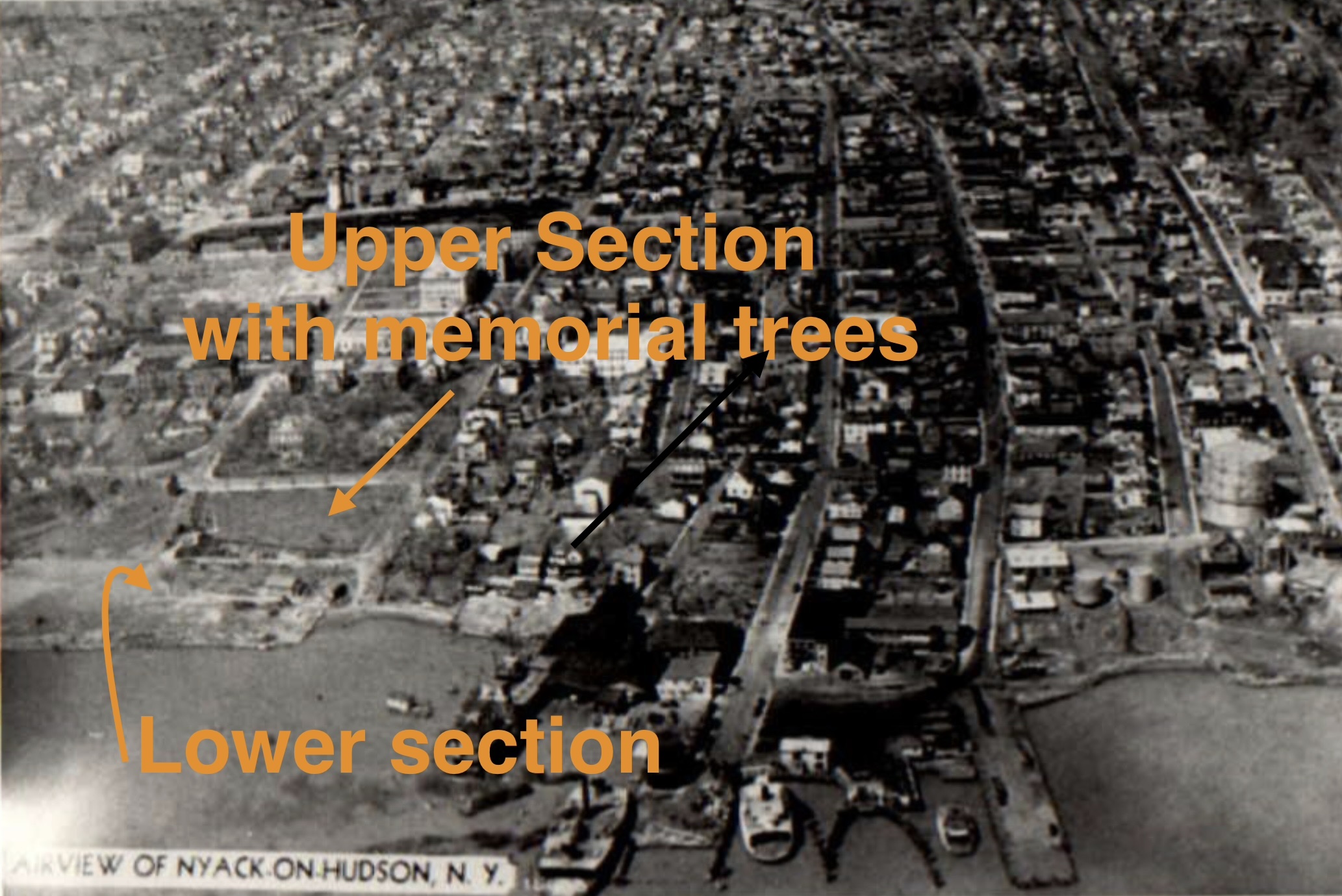
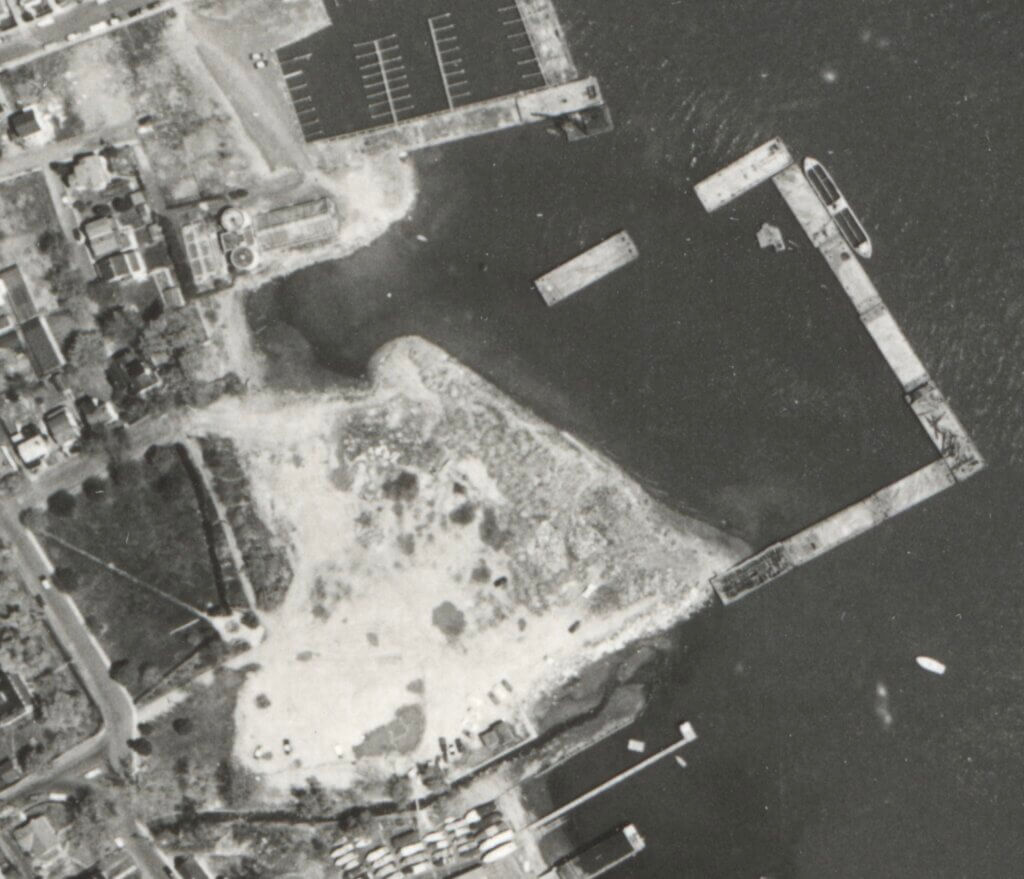
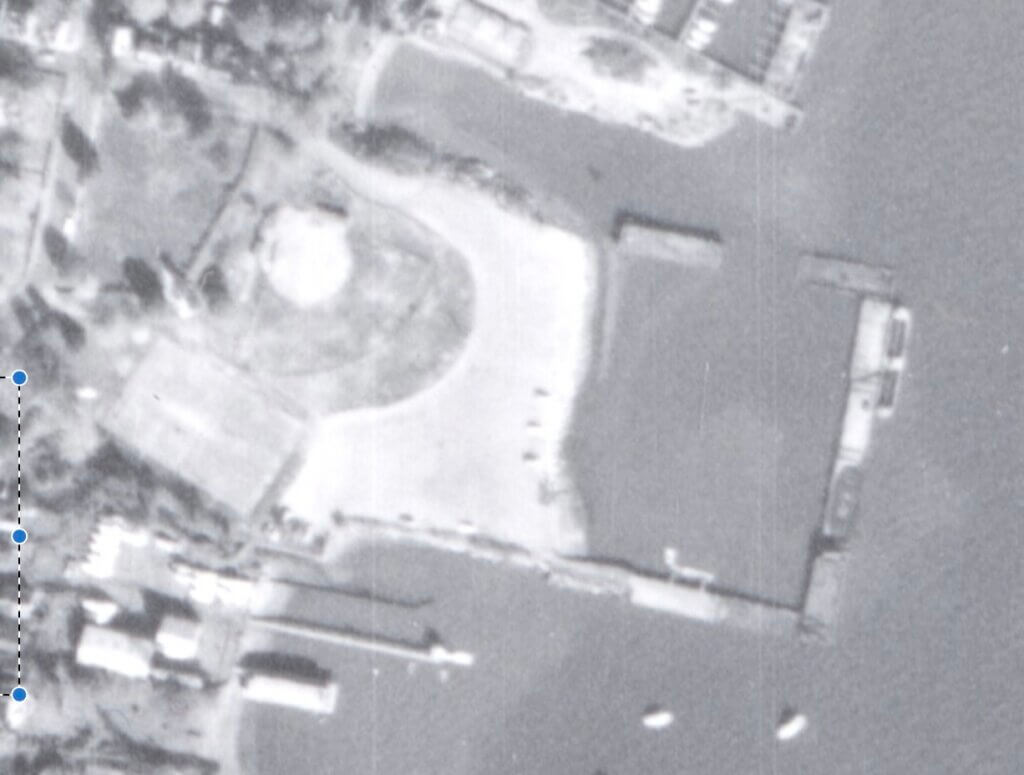
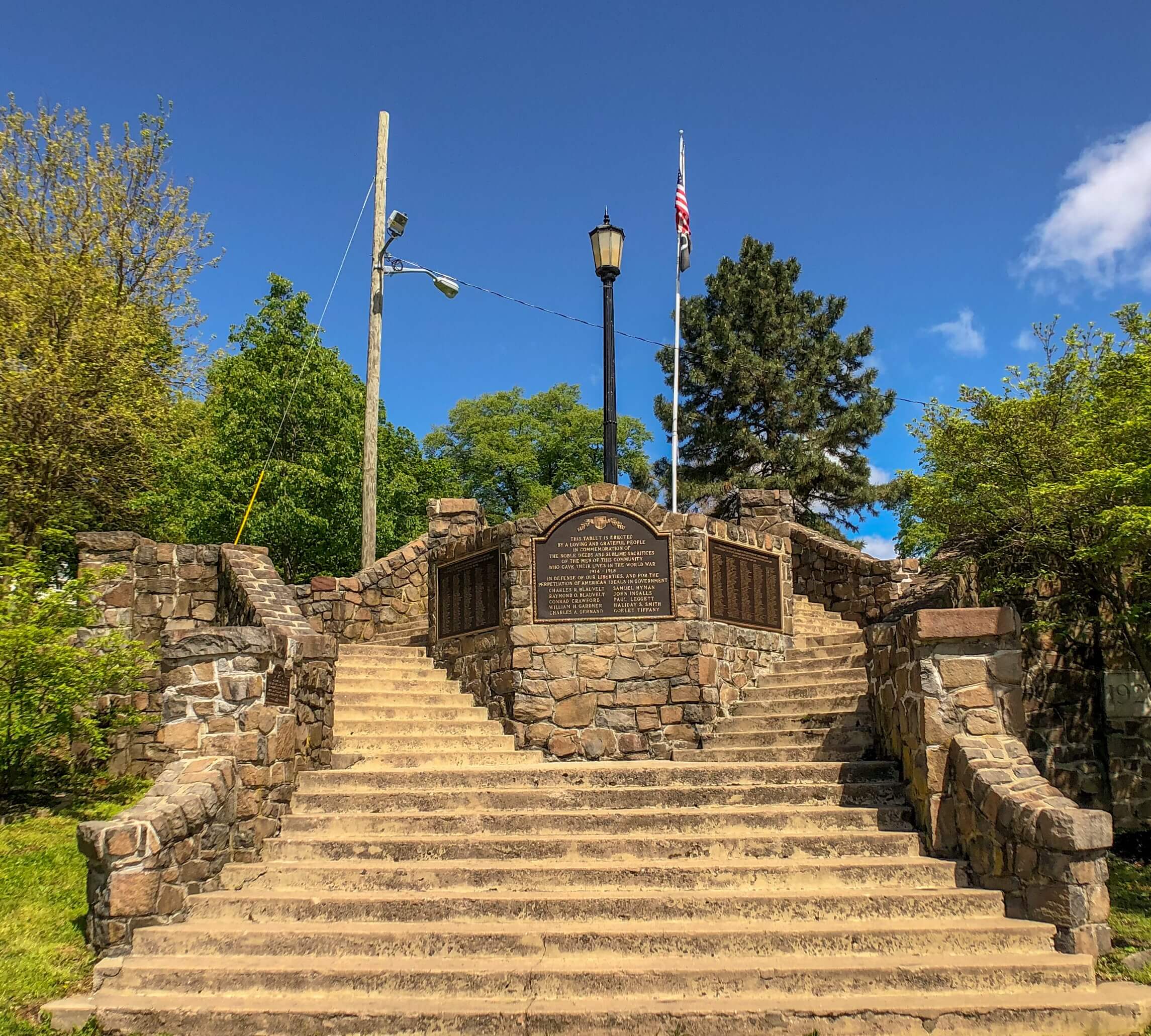
After World War I, Nyack residents transformed the upper section of the old waterfront property into a memorial park honoring nine local men who died in the war. The lower section remained small, flood prone, and often underwater until the 1950s, when fill and barges helped expand the shoreline into the broad riverfront park we know today.
This visual history follows Memorial Park from working waterfront to memorial landscape, from village project to community gathering place, and from industrial edge to one of Nyack’s most meaningful public spaces.
Before the Park: Mills, Factories, and Nyack Brook
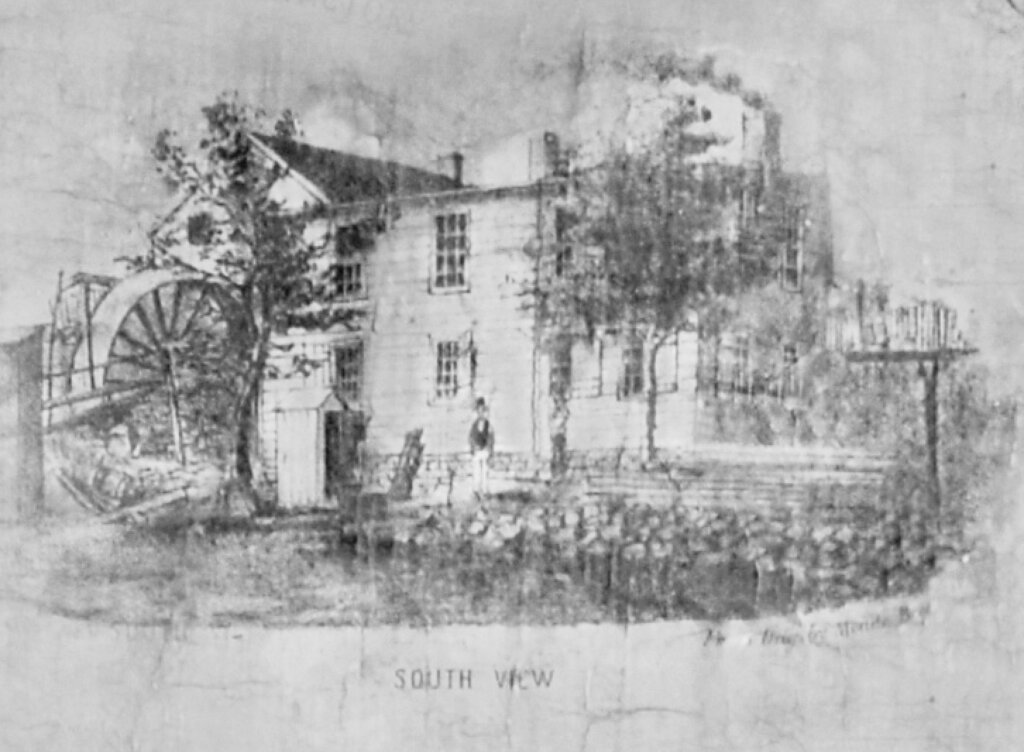
Before Memorial Park became open public space, the mouth of Nyack Brook was part of Nyack’s working waterfront. Early mills used the brook’s waterpower. Later, factories, docks, and commercial buildings crowded the shoreline. The land changed hands, changed uses, and gradually became less useful as an industrial site. Its very obsolescence helped make a public park possible.
Creating a Memorial Landscape
World War I gave the old waterfront a new purpose. Nine young men from Nyack died in the war, and residents sought a memorial that would be larger than a plaque or statue. They imagined a park. Volunteers cleared old buildings, civic leaders raised money, and the Garden Club of Nyack helped shape the grounds. The result was both a place of remembrance and a new public landscape.
Expanding the Lower Park
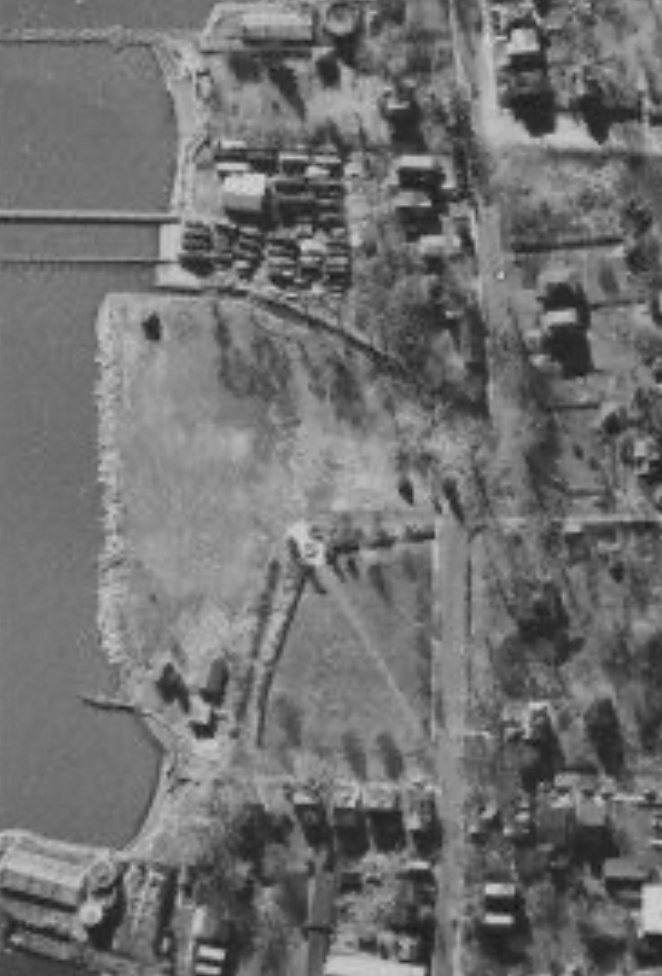
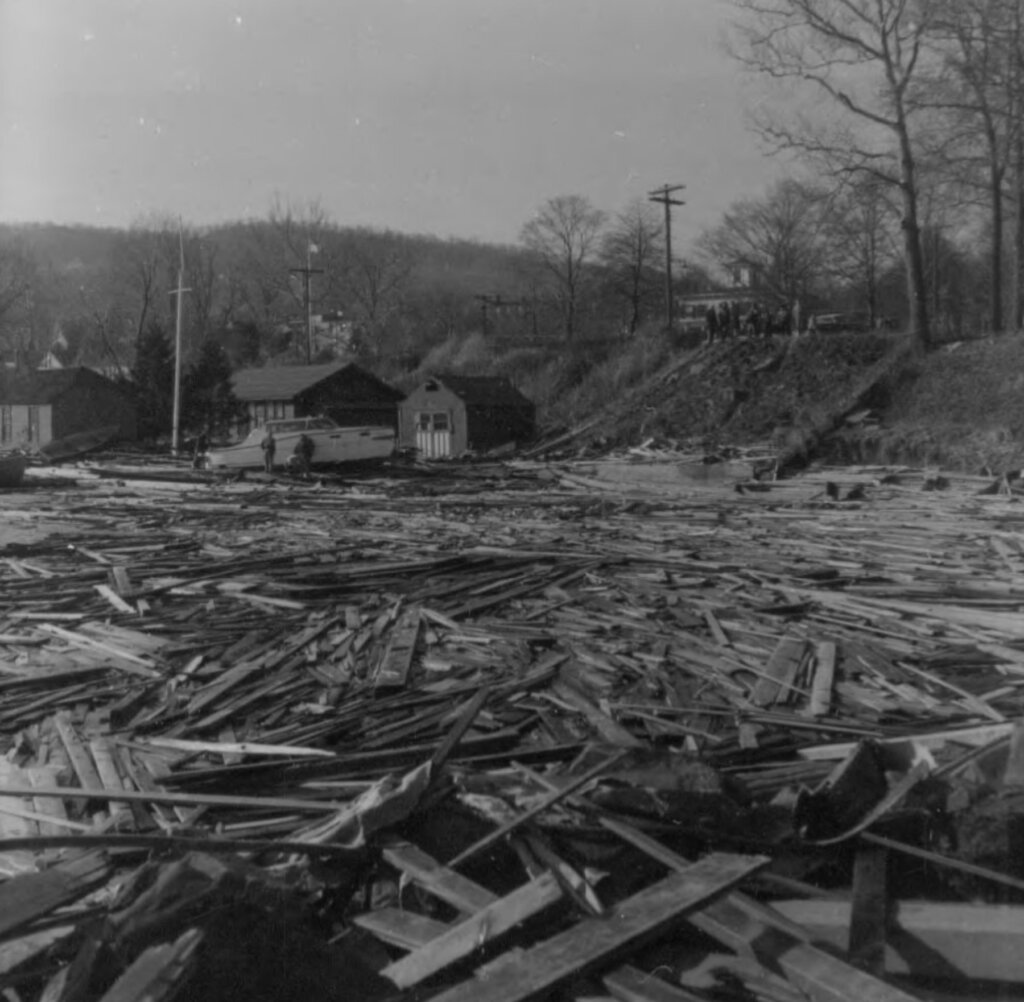
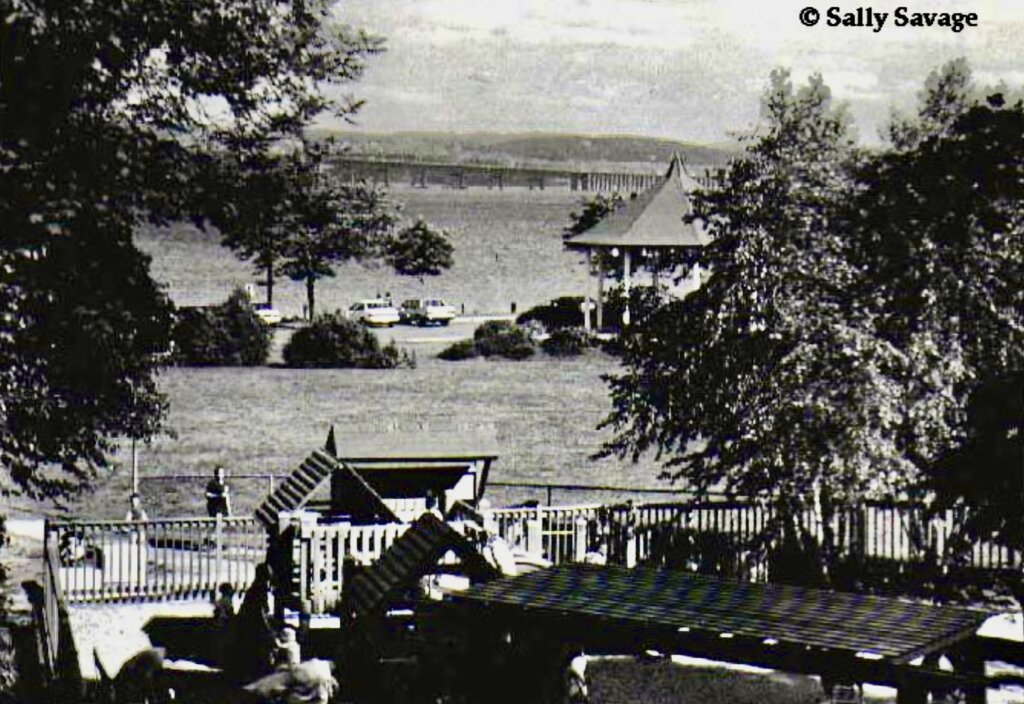
For decades, Memorial Park had two very different parts. The upper park held the memorials, playgrounds, and formal landscape. The lower park was much smaller, wetter, and more exposed to storms. That changed in the 1950s, when fill from regional construction projects and barges (including one concrete barge) helped create the expanded lower park.
The Park Becomes a Public Waterfront
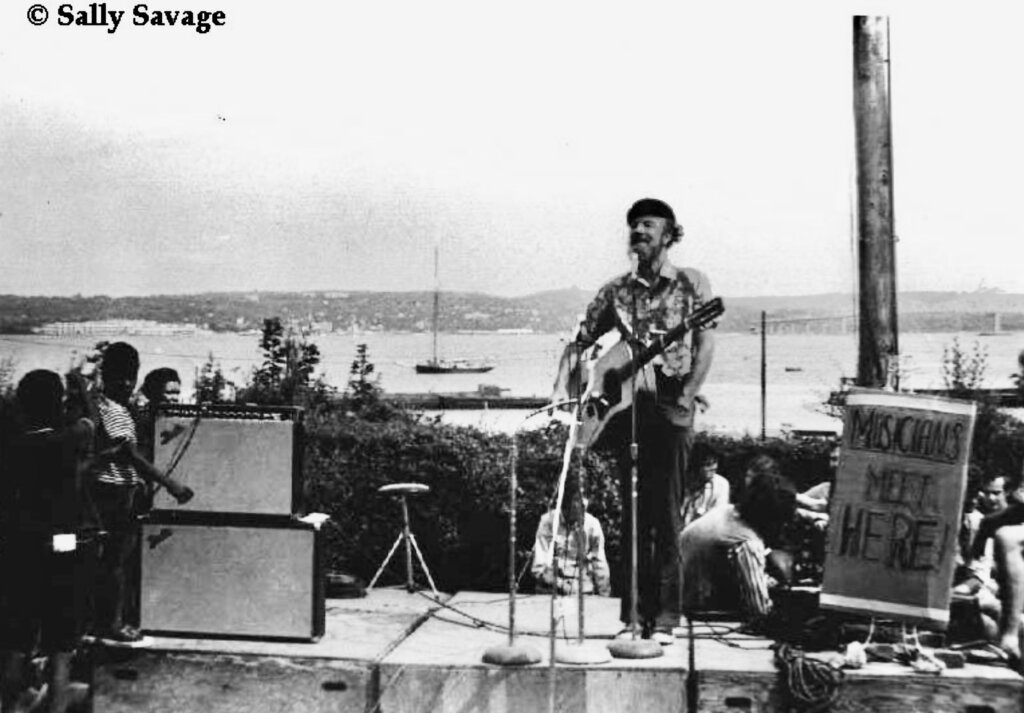
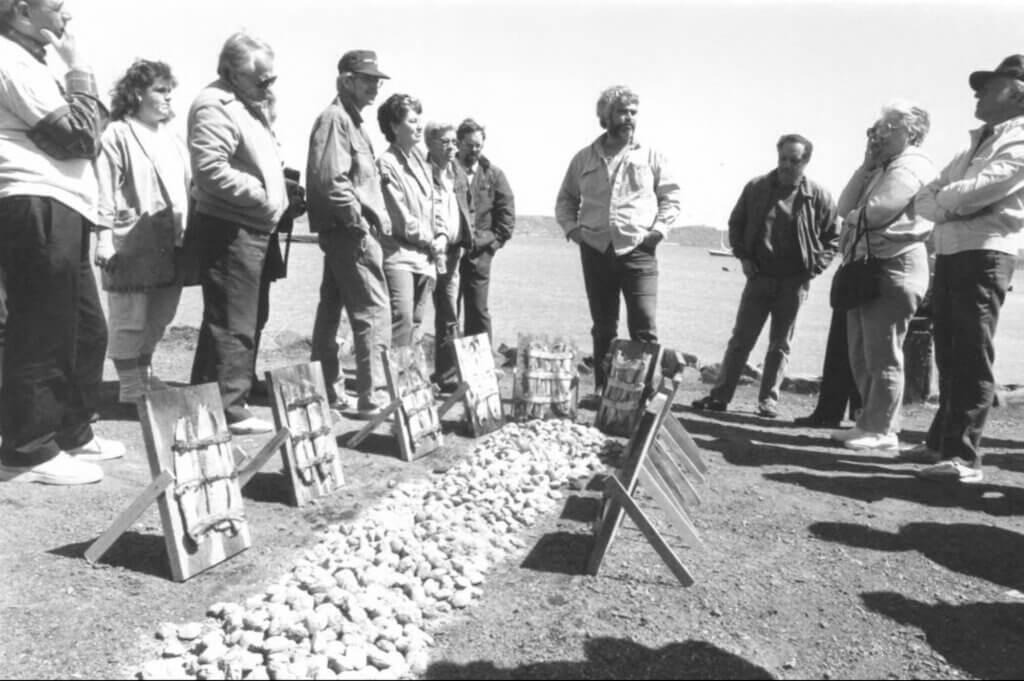
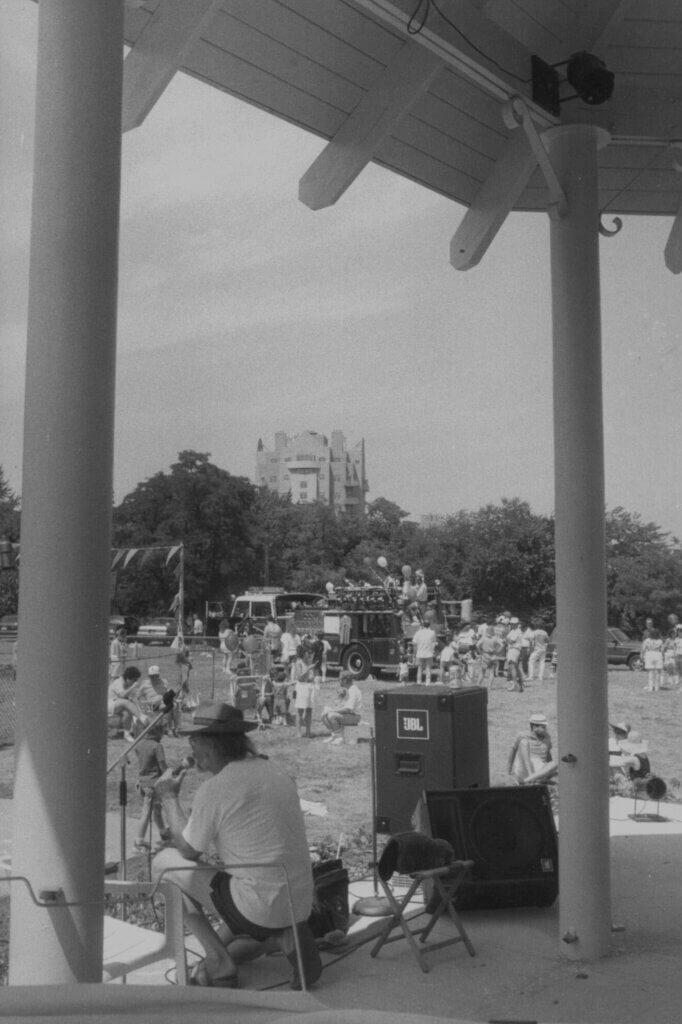
As Memorial Park expanded, its meaning widened. It remained a place of remembrance, but it also became Nyack’s front porch on the Hudson. Festivals, environmental gatherings, recreation, and new memorials brought new layers of public life to the waterfront.

Memorial Park was never just open space. It was made, remade, and enlarged over more than a century. Beneath its lawns lie traces of mills, factories, greenhouses, docks, storms, barges, volunteer labor, and civic ambition. Above all, it remains a place where Nyack transformed an industrial shoreline into a living public memorial beside the Hudson River.
About the author
Mike Hays has lived in the Nyacks for 38 years. After a career as an executive at McGraw-Hill Education in New York City, he now focuses on researching, writing, and interpreting local history.
He serves as Treasurer and past President of the Historical Society of the Nyacks. He is also a Trustee of the Edward Hopper House Museum & Study Center and Historian for the Village of Upper Nyack. In these roles, he works with community partners to preserve historic resources and expand public understanding of the area’s past.
Since 2017, he has written the popular Nyack People & Places column for Nyack News & Views. The series chronicles the history, architecture, and personalities of the lower Hudson Valley.
Hays has also developed museum exhibitions, written interpretive materials, and led well-attended walking tours that bring Nyack’s history to life.
He is married to Bernie Richey. He enjoys cycling, history walks, and winters in Florida. You can follow him on Instagram at @UpperNyackMike
Editor’s note: This article is sponsored by Sun River Health and Ellis Sotheby’s International Realty. Sun River Health is a network of 43 Federally Qualified Health Centers (FQHCs) providing primary, dental, pediatric, OB-GYN, and behavioral health care to over 245,000 patients annually. Ellis Sotheby’s International Realty is the lower Hudson Valley’s Leader in Luxury. Located in the charming Hudson River village of Nyack, approximately 22 miles from New York City. Our agents are passionate about listing and selling extraordinary properties in the Lower Hudson Valley, including Rockland and Orange Counties, New York.