Nyack History A to Z
Stewardship of a Nyack Landmark

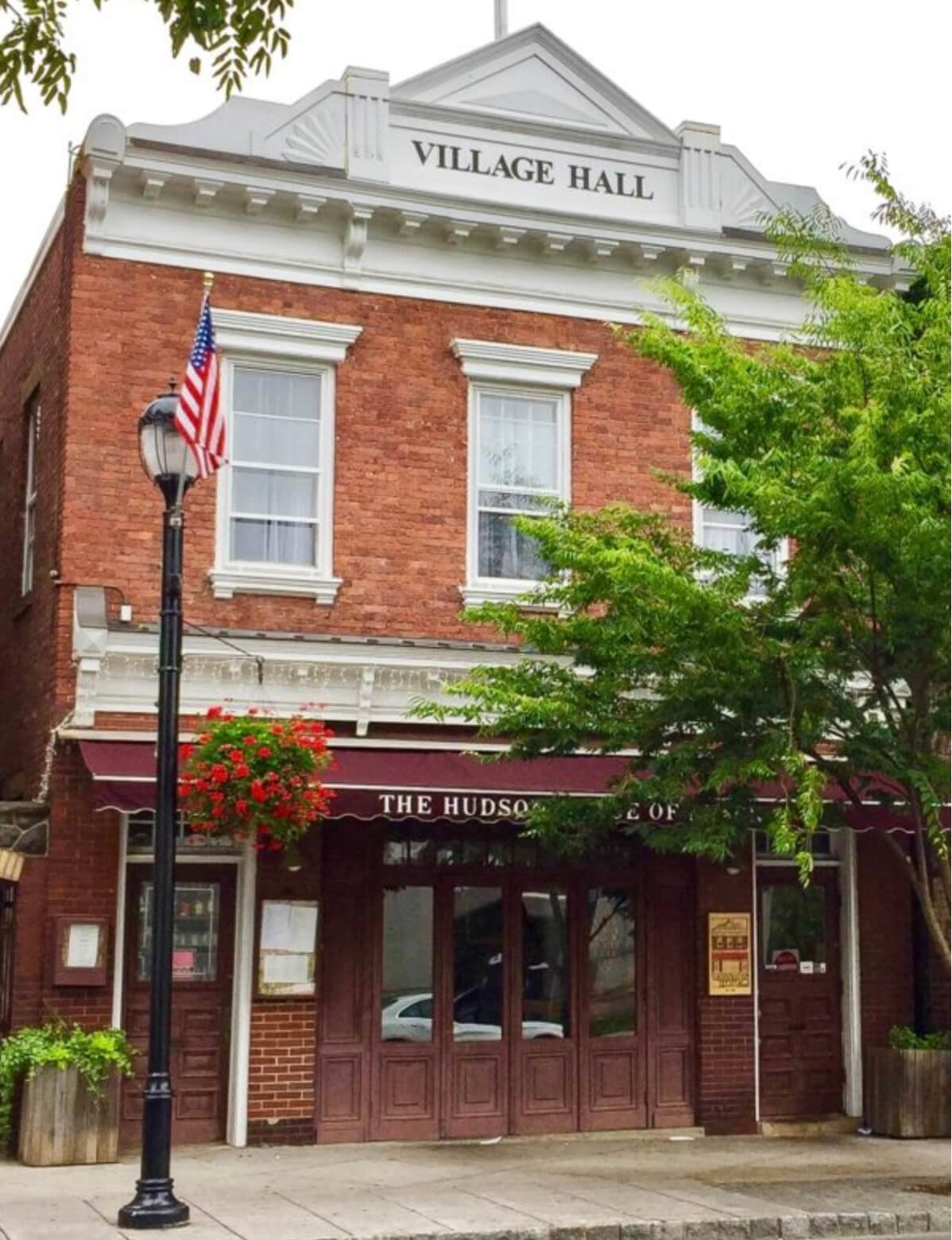
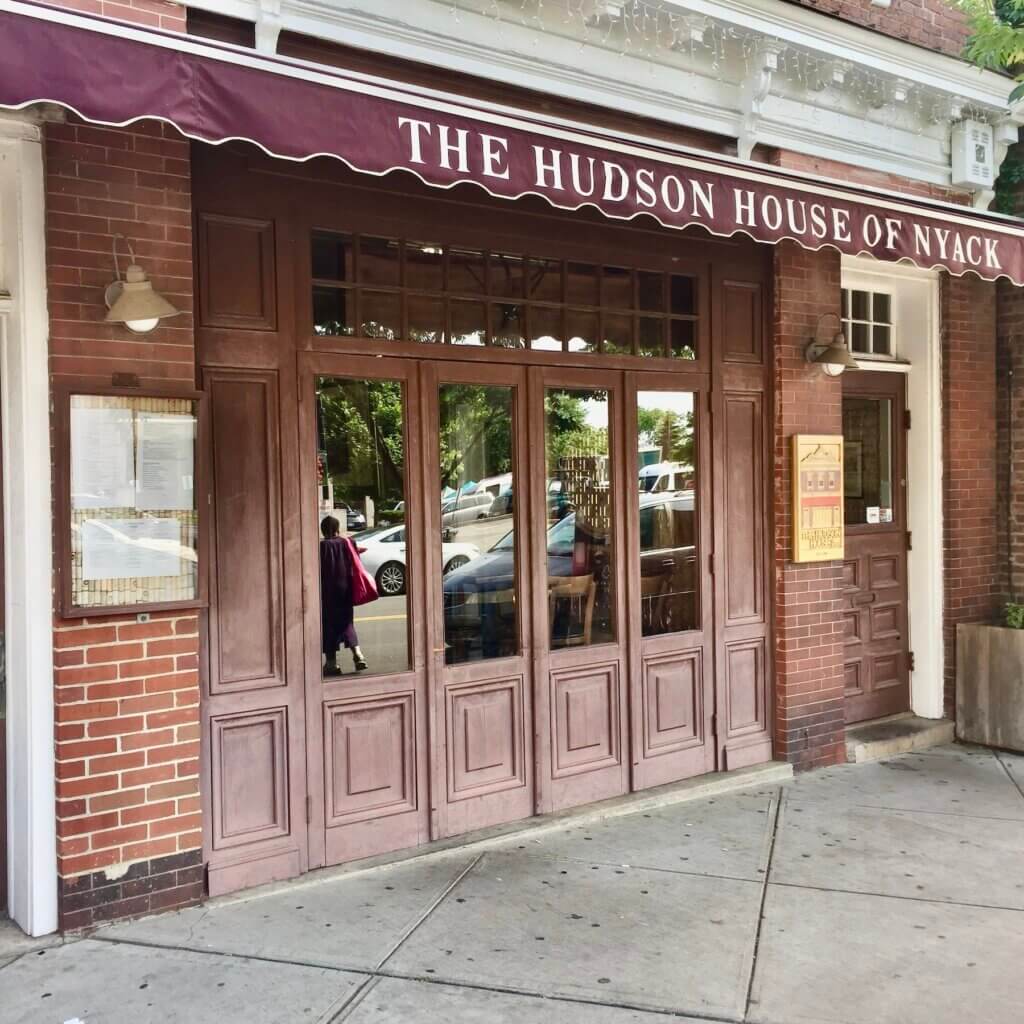
Hudson House ranks among the village’s most architecturally distinguished public buildings. Today it operates as a restaurant and cocktail bar. Yet behind its pressed tin ceilings and brick walls lies more than a century of local history.
Built before 1887, the two-story brick structure was already standing when the village purchased it in 1891. Nyack adapted the building to house its Village Hall and Court, the Jackson Hose Company No. 3., and a new jail.
Creating a New Village Hall

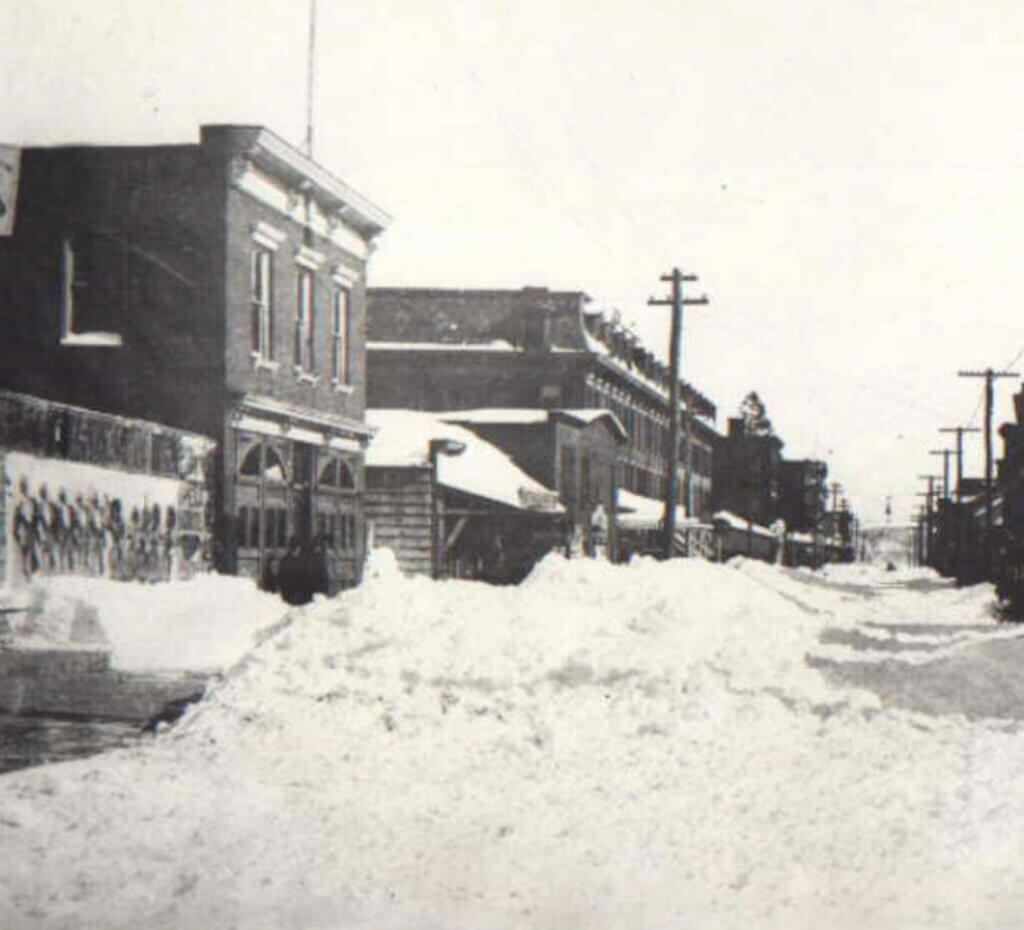
In 1891, a fire destroyed the Gedney Street jail and killed a vagrant Civil War veteran who had been confined inside. The tragedy forced village officials to act. Voters soon approved five thousand dollars to house a new jail, firehouse, and municipal offices.
Just weeks later, the village purchased an existing two-story brick building at 134 Main Street from Denton Fowler of Haverstraw and the heirs of Isaac P. Smith, a principal in the Nyack Steamboat Company. Builders added a rear extension and fitted it with a three-cell jail. Two inner cells opened into a barred holding area. The cells were small, windowless, and strictly functional.
Meanwhile, the first floor was reconfigured to house the steam engine of the Jackson Engine Company and the hose carriage of Jackson Hose Company. Two rounded fire doors opened directly onto Main Street. Upstairs, officials divided the space between village offices and a fire company club room. A rear stairway and a side entrance provided access to the second floor.
The Brook Beneath the Building
The building has no basement as the Nyack Brook runs directly beneath the front of the structure. During heavy storms, floodwater still pushes into the building. On the west side, a grilled, ground-level window offers a rare glimpse of the brook flowing below Main Street
The Fire of 1909
By the summer of 1909, a series of suspicious fires unsettled the village. One week after the destruction of the Nyack Opera House, firefighters extinguished four small deliberately set fires. The following day, smoke rose from the firehouse room at midday.

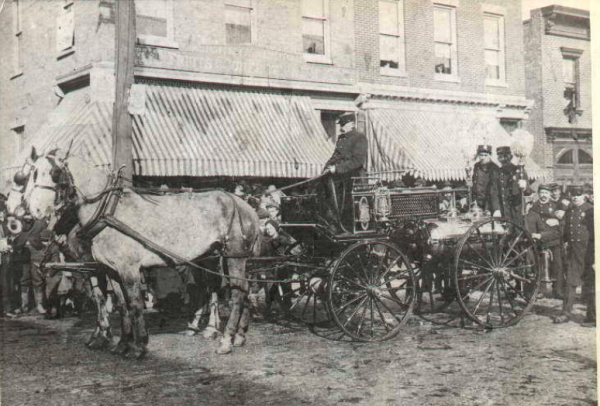
Flames quickly spread through the pine ceiling and siding. Officer Doersch opened the jail cells just in time, allowing two men wrongly accused of earlier fires to escape. Village clerk Henry E. Smith crawled through a rear window and climbed onto the jail roof. Despite these narrow escapes, the fire destroyed both engines and badly damaged the newly renovated fire company meeting room above.
Investigators soon identified the culprit. A former Jackson Company volunteer, expelled three years earlier for unpaid dues, had tampered with a gas line and ignited it. His arrest followed quickly. Authorities charged him with second degree arson, while the jailed men were released.
The fire marked the end of Jackson Hose Company’s tenure at North Main Street. In 1910, the company relocated to the new Central Fire Station at Park Street.

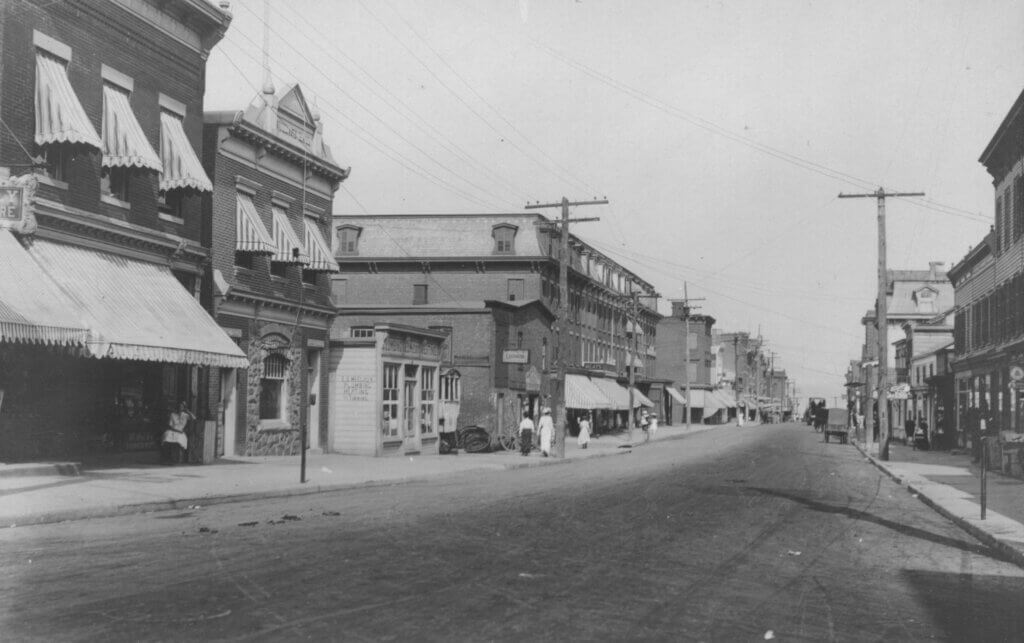
A Cramped Village Hall
After the fire company’s departure, the police department took over the first floor. Village offices expanded into the former club room upstairs. Meetings took place on a raised platform behind a long table, with the mayor centered between trustees. Mission-style furniture filled the room, and spittoons stood beside each desk.
The raised platform, enclosed by a dowelled railing, remains visible today. The village clerk worked from a tiny office furnished with a roll top desk. Nearby, the chief of police occupied an office that doubled as an interrogation room.
Downstairs, the courtroom shared space with a massive coal furnace nicknamed “the Octopus.” Its many ducts fed heat to the upper floor and the adjacent water company.


1967 Village Hall Nears the End. Newspaper articles documented overcrowded offices and an aging heating system that helped prompt the Village Hall’s move to new quarters. Photographs from the Journal News, August 31, 1967.
By the late 1960s, Village Hall had become hopelessly overcrowded. Police officers, prisoners, staff, and visitors all shared a single bathroom. Although some proposed an addition along High Avenue, Mayor Lovatt offered a different solution. He urged the village to purchase the Orange and Rockland building at 9 North Broadway.
Voters approved the move in 1969. On January 1, 1970, Nyack’s village government left North Main Street for good.
A New Life After Government
In 1982, the building entered another chapter. Serge Raoul, founder of the original Raoul’s on Prince Street in Manhattan, opened a Nyack location inside the former Village Hall. The restaurant helped make Main Street a dining location and signaled a shift in the village’s commercial life.
Stewardship in the Present
Since 1990, the Hudson family has owned and operated The Hudson House of Nyack, continuing its long tradition of public use. Under their stewardship, the former Village Hall has remained largely intact. Original architectural features, including pressed tin ceilings, masonry walls, and the raised platform from the village meeting room, have been preserved rather than removed.
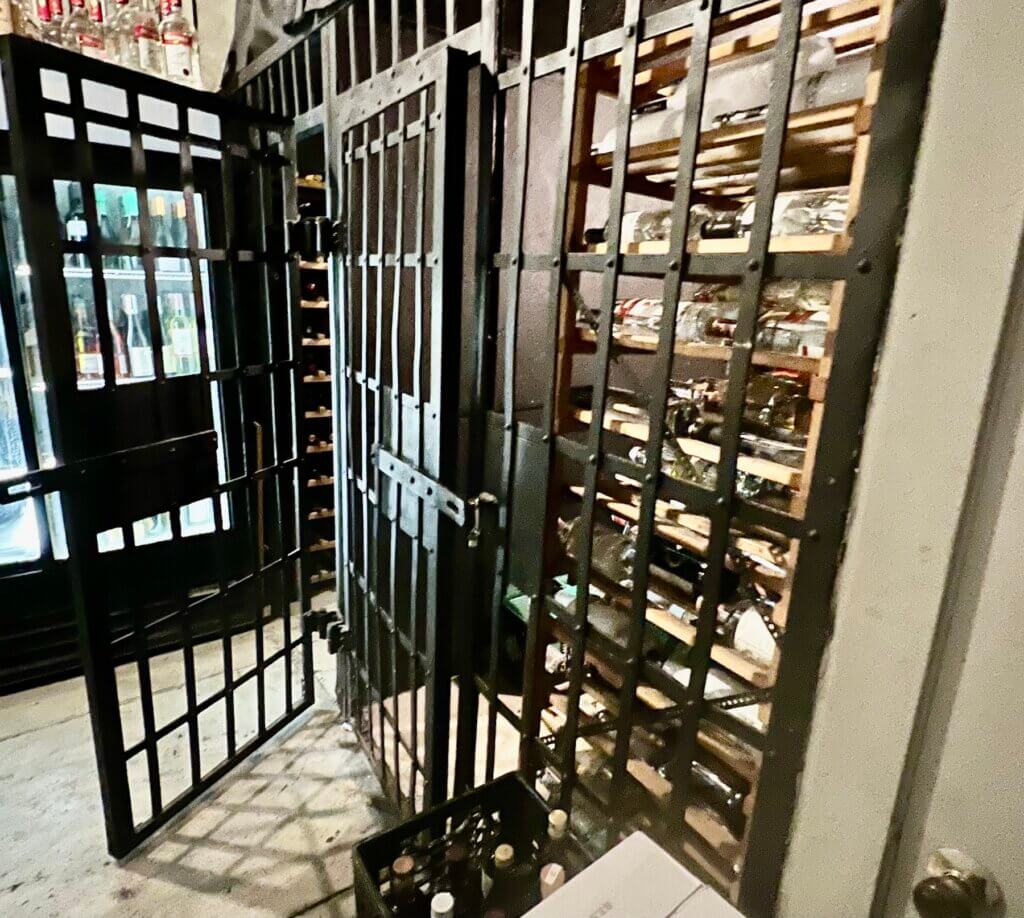
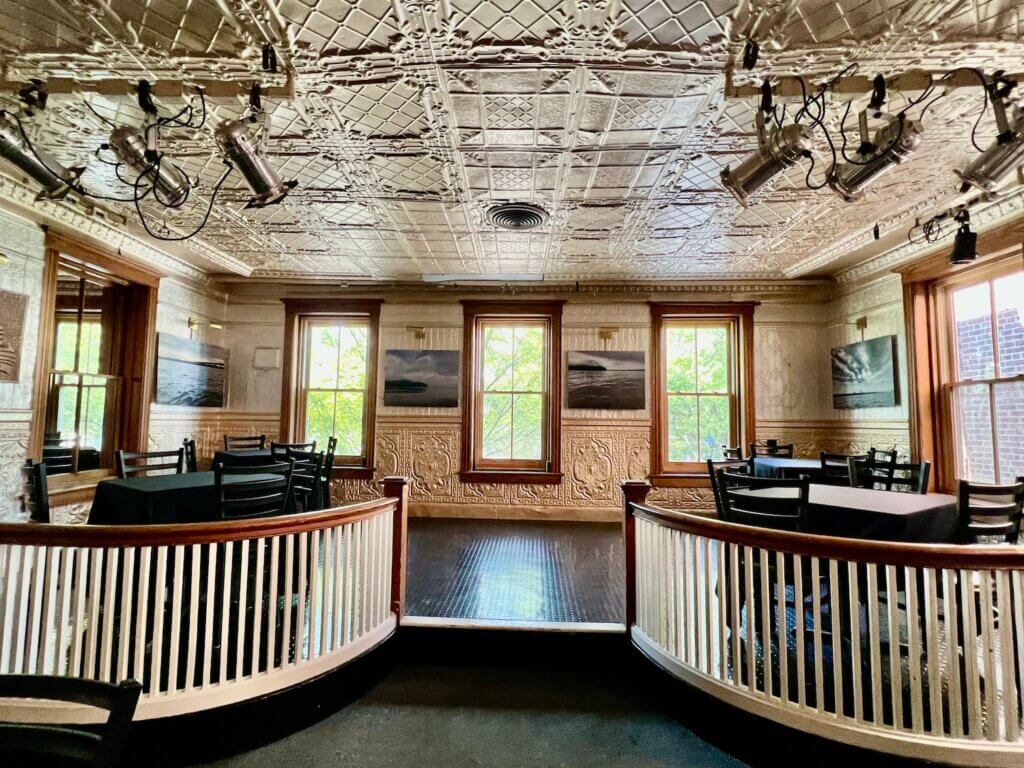
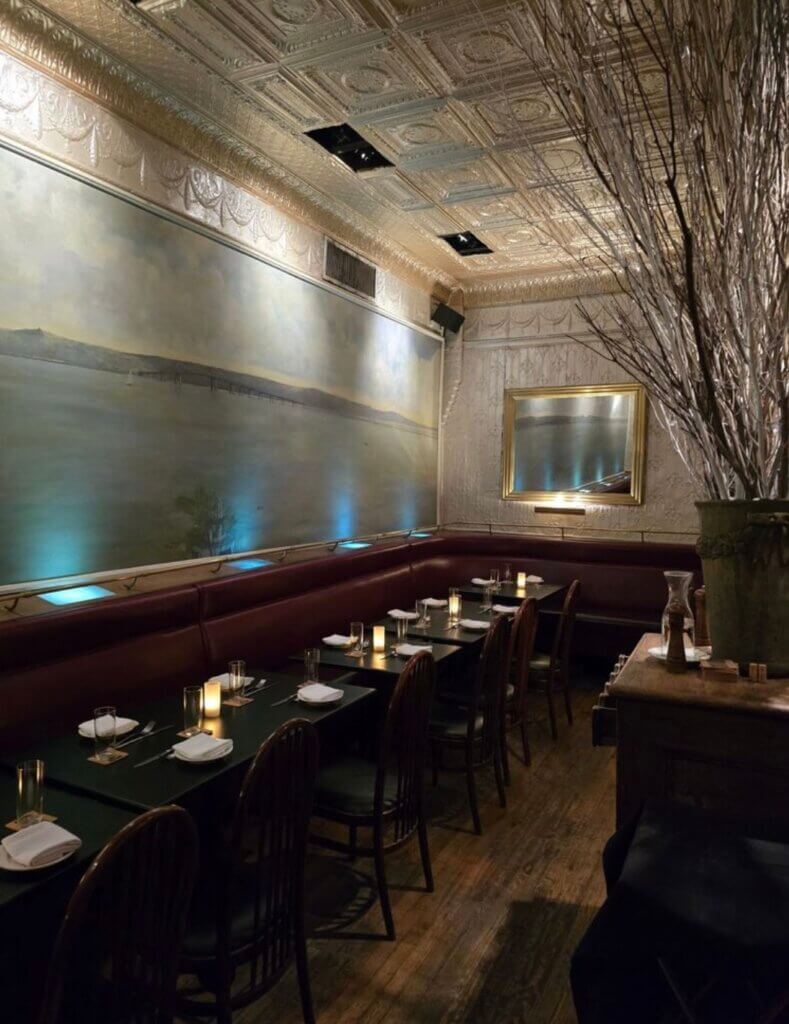
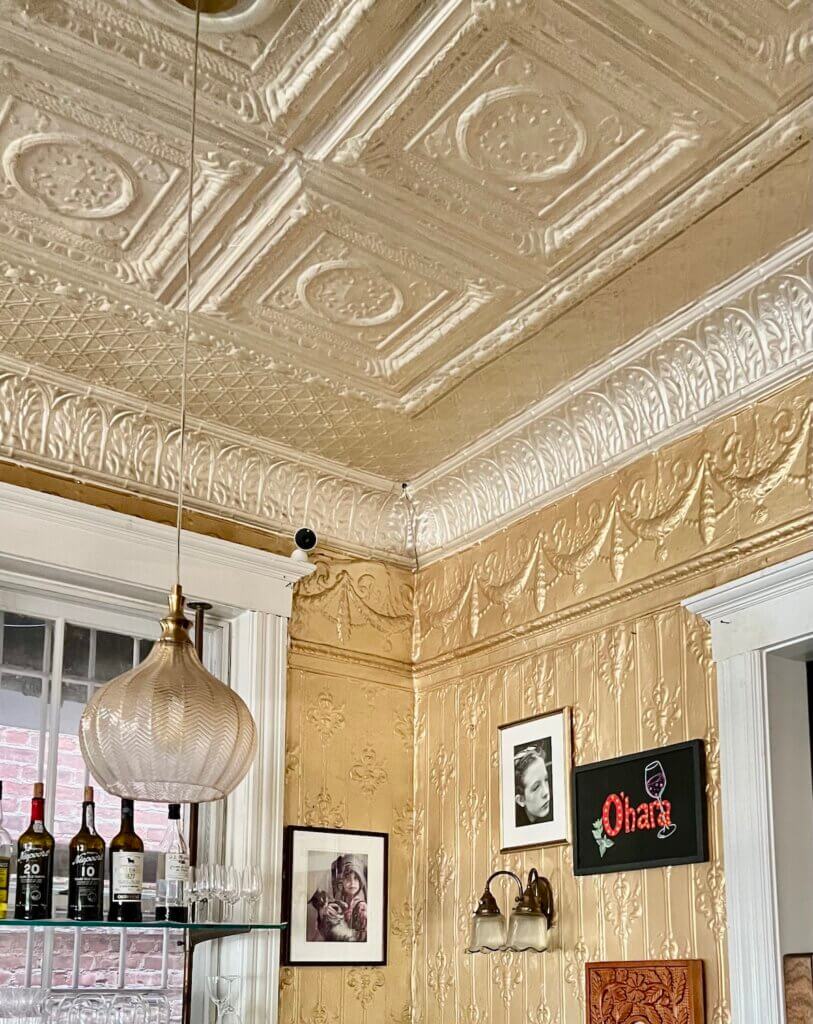
Adaptive Reuse. Original features of the former village jail remain visible throughout Hudson House. Photographs by the author and the Hudson House.
The former jail occupies the rear of the structure, now repurposed as a wine cellar. Upstairs rooms once used for court sessions and village business host gatherings and performances. These changes respected the building’s layout while allowing it to remain active and well maintained.
More than a century after it opened as a firehouse, jail, and seat of village government, Hudson House continues to serve the public. Its survival reflects not only adaptive reuse, but sustained private stewardship that has allowed one of Nyack’s most important civic buildings to remain part of daily village life.


Just Published
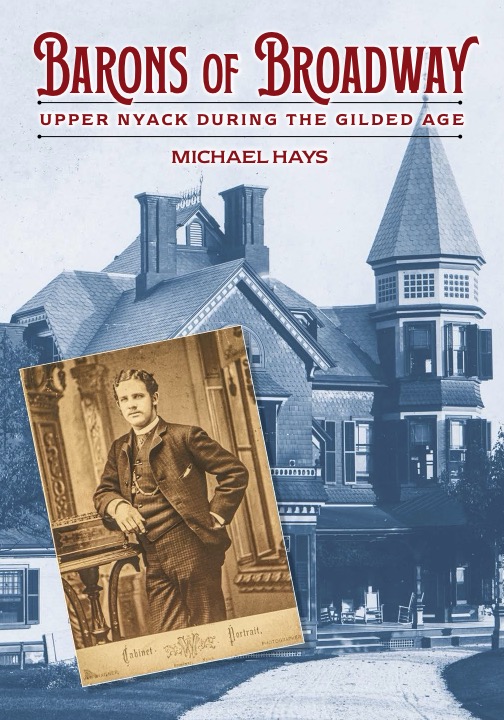
Barons of Broadway: Upper Nyack During the Gilded Age
Available at Pickwick Books, Historical Society of the Nyacks, and Amazon
About the author
Mike Hays has lived in the Nyacks for 38 years. After a career as an executive at McGraw-Hill Education in New York City, he now focuses on researching, writing, and interpreting local history.
He serves as Treasurer and past President of the Historical Society of the Nyacks. He is also a Trustee of the Edward Hopper House Museum & Study Center and Historian for the Village of Upper Nyack. In these roles, he works with community partners to preserve historic resources and expand public understanding of the area’s past.
Since 2017, he has written the popular Nyack People & Places column for Nyack News & Views. The series chronicles the history, architecture, and personalities of the lower Hudson Valley.
Hays has also developed museum exhibitions, written interpretive materials, and led well-attended walking tours that bring Nyack’s history to life.
He is married to Bernie Richey. He enjoys cycling, history walks, and winters in Florida. You can follow him on Instagram at @UpperNyackMike.
Editor’s note: This article is sponsored by Sun River Health and Ellis Sotheby’s International Realty. Sun River Health is a network of 43 Federally Qualified Health Centers (FQHCs) providing primary, dental, pediatric, OB-GYN, and behavioral health care to over 245,000 patients annually. Ellis Sotheby’s International Realty is the lower Hudson Valley’s Leader in Luxury. Located in the charming Hudson River village of Nyack, approximately 22 miles from New York City. Our agents are passionate about listing and selling extraordinary properties in the Lower Hudson Valley, including Rockland and Orange Counties, New York.