In 2010, I was laid off from my job. I opted to keep my health insurance coverage through COBRA, the federal law that allowed me to temporarily continue and pay for my employer-sponsored insurance, because I had been getting sick. I assumed it was just burnout, but as a single mother of two young children, going uninsured just wasn’t an option. I cashed out my retirement savings to make ends meet. A few months later, after repeated misdiagnoses, I learned the truth: I had a rare sarcoma.
In March 2011, surgeons removed a five-pound tumor from my leg and another from my lung, followed by eight weeks of concentrated radiation. By the time treatment ended, the cost of my care was close to a million dollars. COBRA covered it, but when my extension came due later that year, I was denied because my cancer was considered a “preexisting condition.” Overnight, I became uninsurable.
Even though the Affordable Care Act (ACA) was passed in 2010, New York’s health exchange didn’t open until late 2013. The plan that my new employer offered cost more than my mortgage, so we were forced to go without. For more than two years, I went to bed terrified: terrified my cancer would come back, terrified one of my kids would break an arm, terrified a single accident would financially destroy us. That kind of fear never leaves your body; it becomes part of your everyday existence.
When I applied for coverage through the ACA marketplace in early 2014, I qualified for a tax credit, and suddenly my premium was hundreds of dollars not thousands. The effect was immediate. We had regular checkups again. We had coverage we could actually use. It felt like a light had been turned back on.
Later that year, as I was walking out of work one night, my femur snapped. An unexpected side effect from the large amounts of radiation I had been given. The physical pain was excruciating, but oddly enough, the emotional relief of knowing I had coverage is what I remember most clearly. For the first time in years, I didn’t have to choose between medical treatment and financial survival. I could get the care I needed.
I applied for Social Security Disability, and that qualified me for Medicaid coverage on the NY health exchange. For two years, I fought to keep my leg, but in 2017, I made the difficult decision to amputate above the knee. The surgery was long, complex, and came with major complications. I spent time in the ICU and weeks in inpatient rehab. Medicare, which I qualified for when my disability became permanent after three years, covered it all. Without that coverage, I would not have received the care that enabled me to maintain my mobility and independence.
Recovery was long, painful, and emotionally brutal. There were additional surgeries and months in a wheelchair. It took a full year before I could take my first steps on a prosthetic. But throughout the process, one thing remained constant: I had health insurance that made treatment and recovery possible.
It’s not an exaggeration to say that Medicare, Medicaid, and the Affordable Care Act saved my life. They saved my whole family. But it’s these very programs that Congressman Mike Lawler has begun to attack. Despite his talk about affordability and lowering costs, last year Rep. Lawler voted to cut over a trillion dollars in funding from Medicaid and state health programs like the Essential Plan to pay for tax breaks for the rich and a near tripling of ICE’s budget. He then stood by and did nothing until it was too late to stop the Affordable Care Act tax credits from expiring. The same credits I relied on in my darkest moment.
I’m back on my feet now—well, one of them, at least—but what about the next person who finds themself in a situation like mine? Most Americans are only one crisis away from losing everything, and Congressman Lawler has an obligation to ensure that the safety net that caught me is there for the next family in need.
These programs didn’t just give my family health care. They gave us stability. They gave us time. They gave us a future.
Strengthening them shouldn’t be a political debate. It should be a moral imperative.
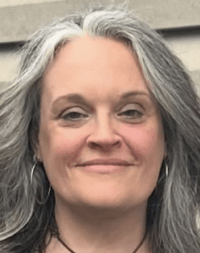
This opinion piece reflects the views of the author. Tracey Obenauer is a single mom, cancer survivor, and amputee whose life has been shaped by resilience, grit, and showing up even when it’s hard. She is also a founding member of Indivisible Rockland, where she helps organize her community to protect democracy, health care, and the people politicians too often ignore.