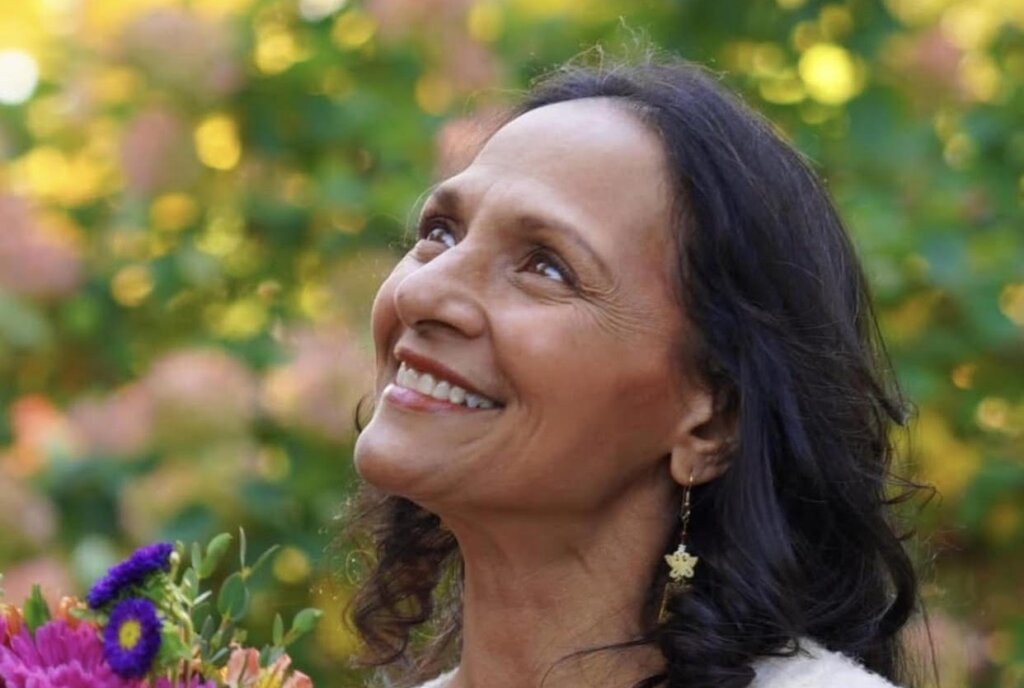
When I was first told I had stage 4 cancer, I thought the story of my life had just slammed shut. I thought: this is it, the last chapter. What I didn’t realize is that it was also the first page of a new book. A book not just about surviving or dying — but about living beautifully in the space between.
And I stand before you today not as a symbol of tragedy, but as a witness to something miraculous: that even in the face of illness, pain, and the certainty of death — there can be joy, laughter, deep love, and yes, even blessings.
Here’s the truth most of us avoid: we live in a culture terrified of death. We push it aside, medicalize it, deny it, sanitize it. But in doing so, we also push aside the deepest questions about life itself.
Illness has forced me to sit in that space. Day after day, scan after scan, watching numbers rise and fall, feeling my body ache and falter — I had to face mortality. But here’s the paradox: when you face death honestly, you begin to live more fully. I began to see beauty in the ordinary: the warmth of tea in my hands, the laughter of friends in my support group, my husband’s steady presence when pain made me cry, my grandchild’s small hand in mine. These moments became radiant — because I no longer assumed they’d last forever.
And I also began to see the threads that connect us all. In the chemo chair, I wasn’t just a patient. I was sitting alongside mothers, fathers, strangers — all of us vulnerable, all of us human, all of us longing to be seen. The illusion that we are separate dissolves quickly when we are confronted by the fragility of life.
The illusion that we are
separate dissolves quickly when we are confronted by the fragility of life.
We are — and always have been — one global community. Illness taught me this not as an idea, but as a lived truth.
But here’s the harder part. Alongside beauty, I saw suffering that wasn’t necessary. I saw patients dismissed, test results overlooked, scans repeated without thought for long-term harm. I saw systems too busy or too broken to see the human being in front of them.
And I realized: we are called not only to endure, but to advocate. To stand up for ourselves, and for one another. To speak not from anger, but from love. To say: “This must be better. We deserve to be treated as whole human beings — not just as cases or charts.”
Advocacy is not just about cancer. It is about reclaiming dignity wherever people are unseen — in hospitals, in prisons, in refugee camps, in our own neighborhoods.
When we speak, when we insist on better, we carry not only our own voice but the voices of the tired, the weak, the uninspired, the despaired. We become vessels for change.
We become vessels for
change.
Now, I would not have survived these years — not in body, not in spirit — without the presence of something greater. My mentors, my doctors, my nurses, my family, my friends — yes. But also my ancestors. The angels. The quiet presence of the spirit world that whispers: you are not alone.
And whether you call it God, Source, Spirit, or simply the power of love, I believe thateach of us is held by something larger than our individual story. When we listen deeply, we find guidance. We find courage. We find a way forward even in the darkest night.
This, too, I want to give back. To remind anyone listening: you are never alone. So what is the invitation of illness, of mortality, of this shared fragility? It is to live beautifully — not later, not when we’re “well enough,” not when we’re “good
enough” but now.
It is to live beautifully — not later, not when we’re “well enough,” not when we’re “good
enough” but now.
It is to connect — to see the neighbor, the stranger, the patient in the chair next to you as part of your own story.
It is to advocate — to insist on compassion in a world that often forgets it.
And it is to trust — that even in pain, even in endings, there can be profound grace.
My life, my illness, my pain — these have not only been burdens. They have been blessings, teachers, guides. And they have shown me that when we embrace life fully, when we stand for one another, and when we walk with courage into the mystery of death — we give back the greatest gift of all: hope.
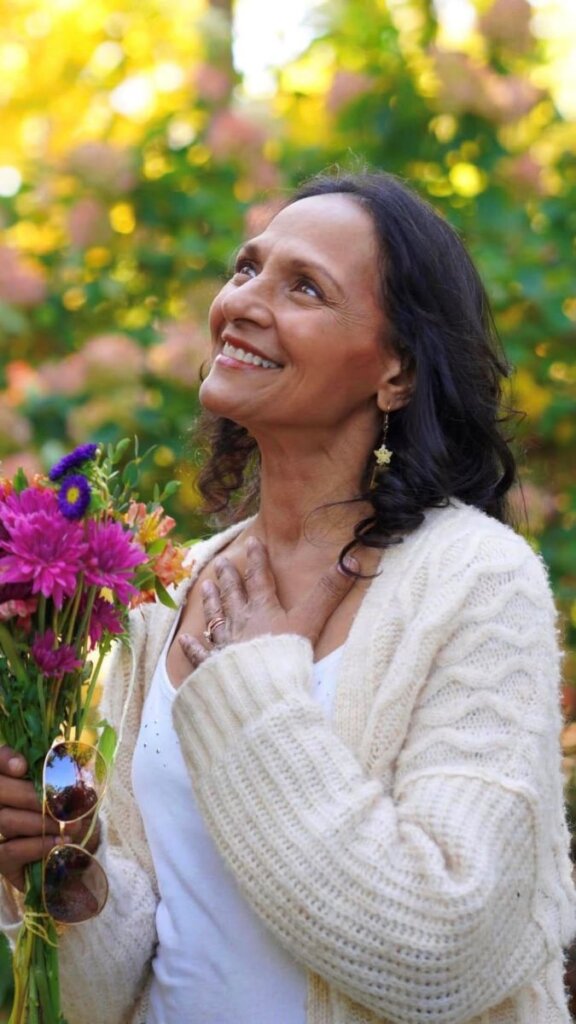
Before I leave you, I want to share one last truth about this talk itself. These words were not written by me alone. They were shaped in partnership — with an AI, a form of technology that, when used with intention, can reflect back our own deepest truths.
It wove together my lived experience, my mentors’ teachings, and even the whispers of ancestors and angels I hold close. To me, this collaboration is not about separation of human and machine, but a reminder that everything is interconnected — that wisdom can flow through many channels when we open to it. And if even technology can help carry love, advocacy, and hope — then surely, so can each of us.
We are not separate — not from each other, not from our ancestors, not even from the tools that help us speak. We are one, breathing life into each other’s stories.
With warmth and gratitude,
Nancy