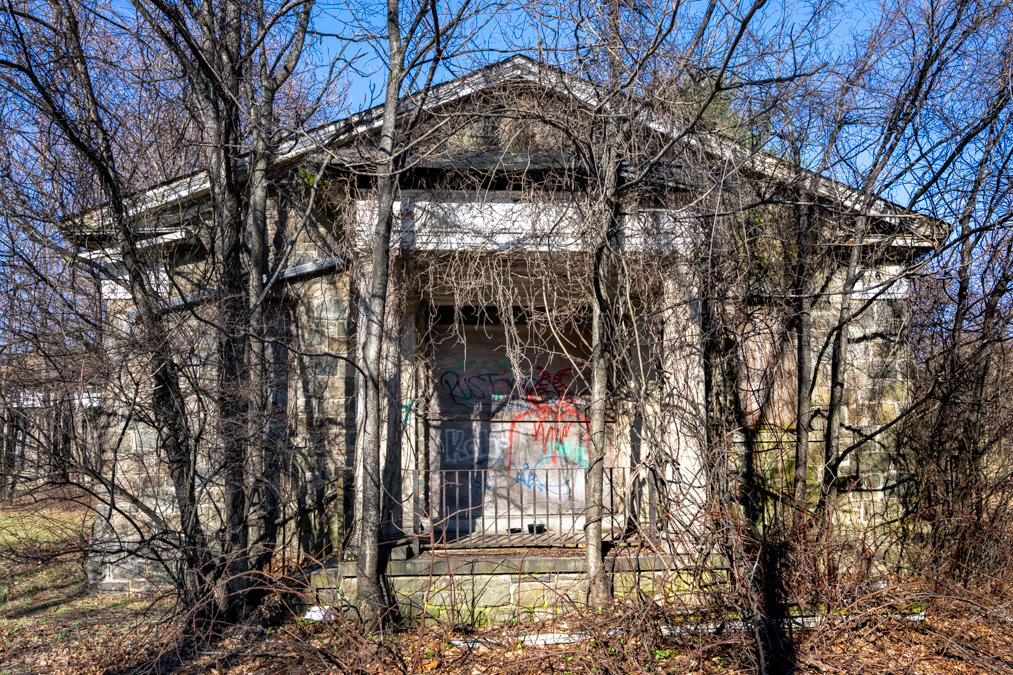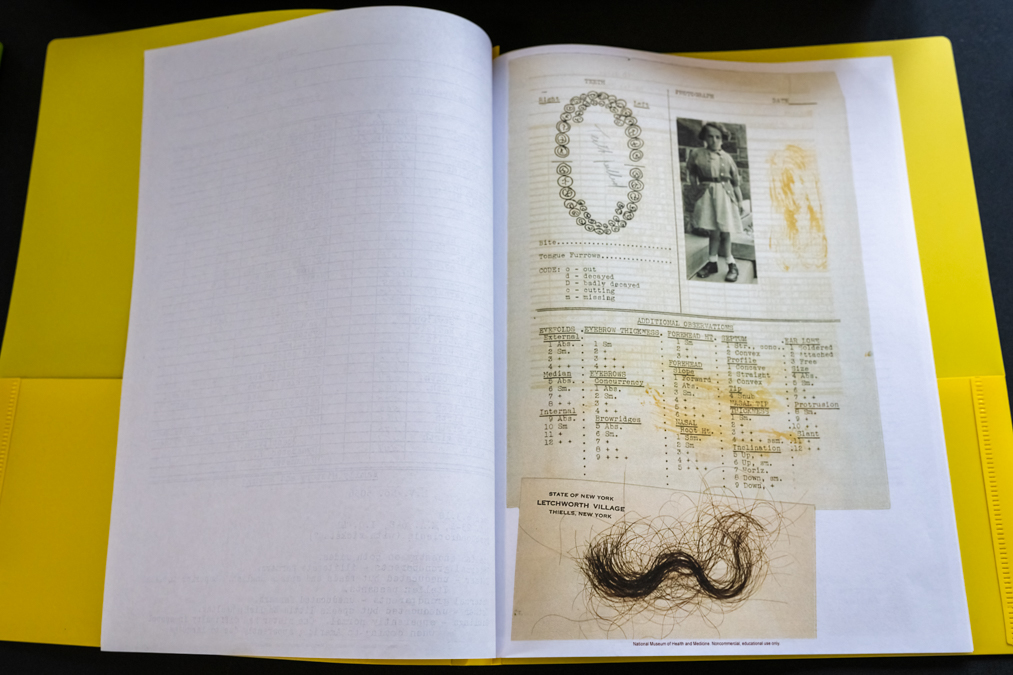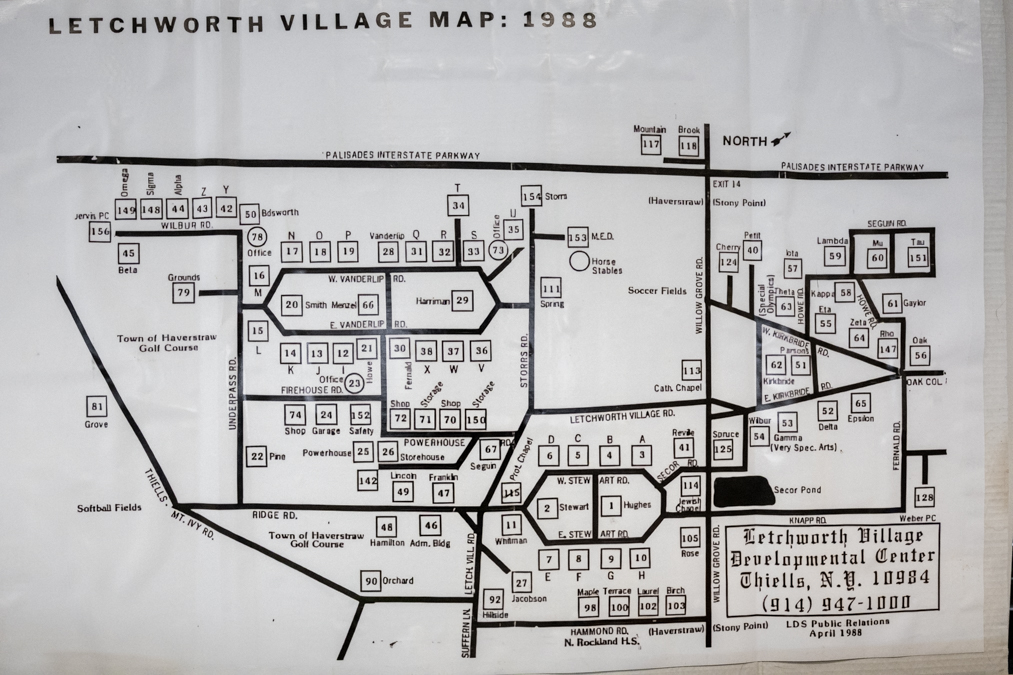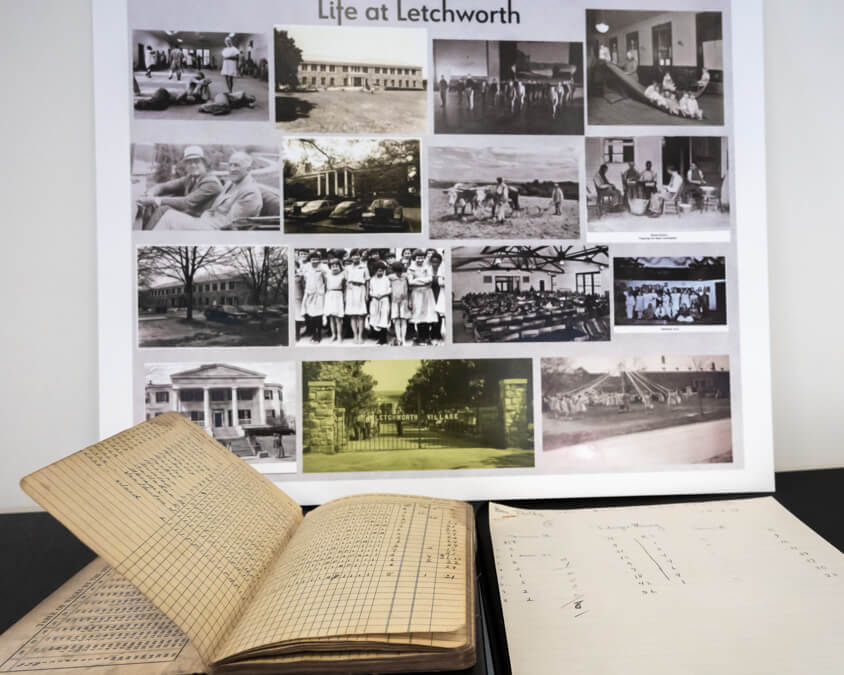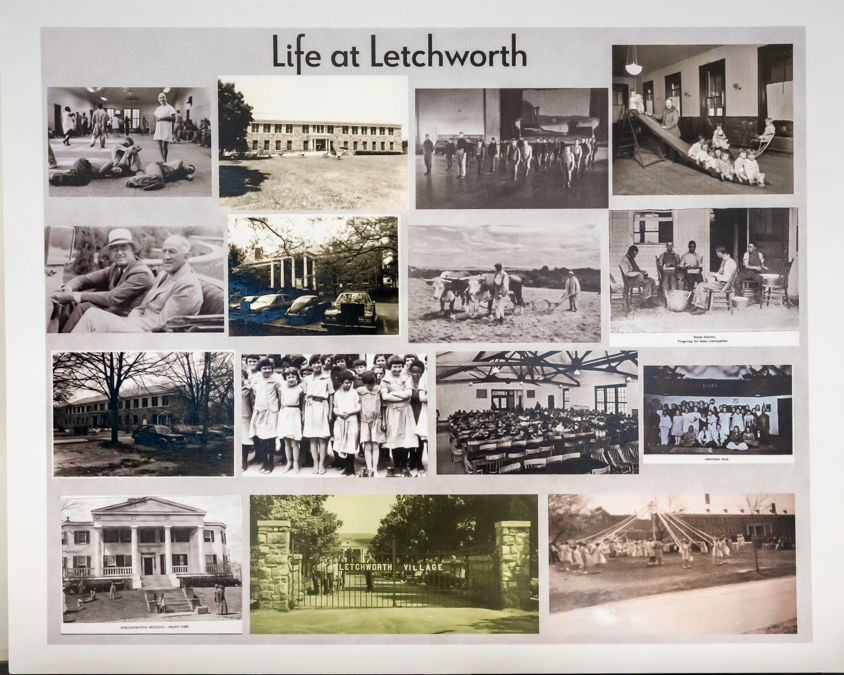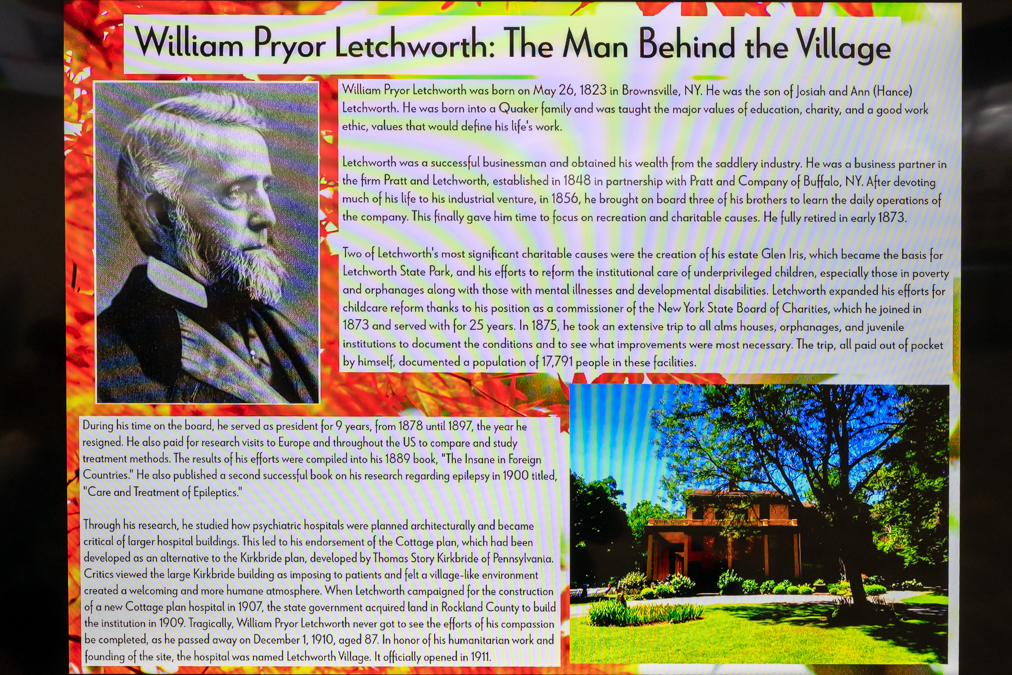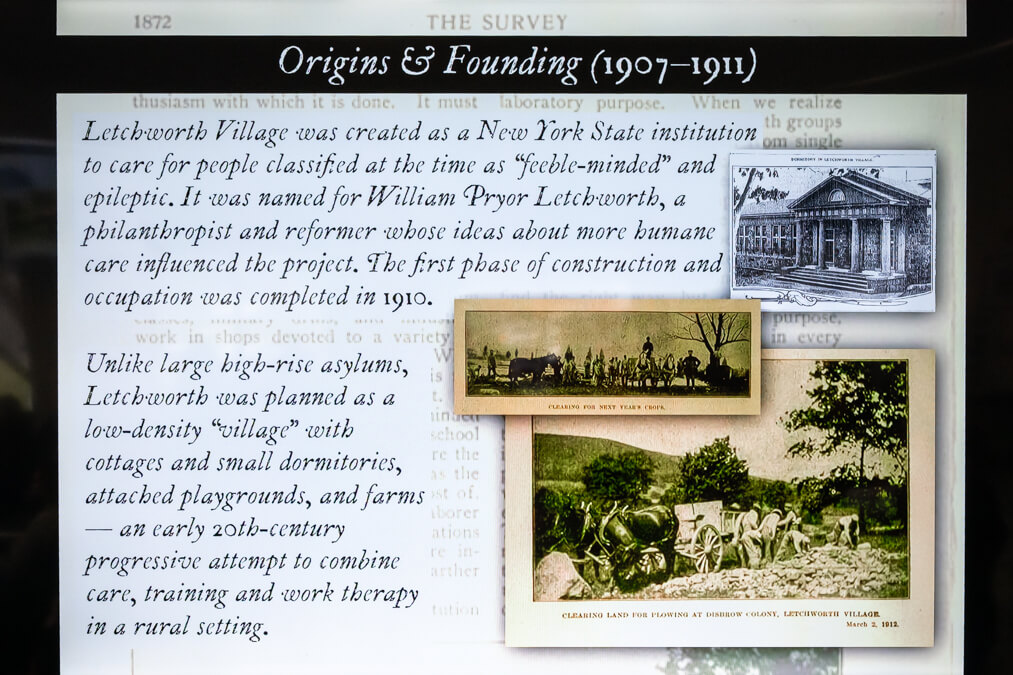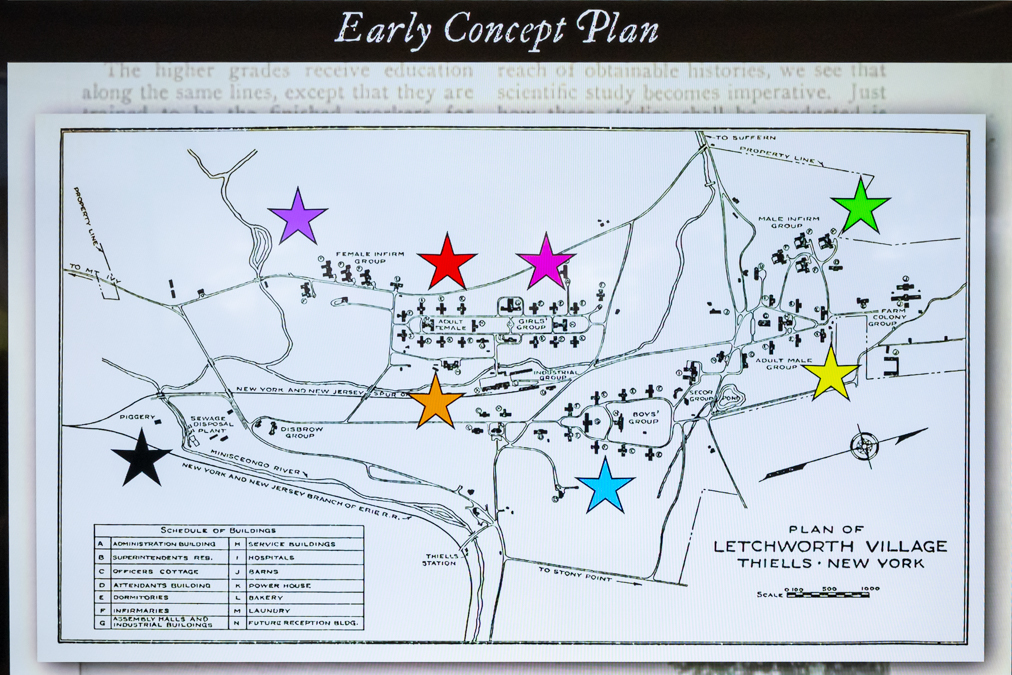
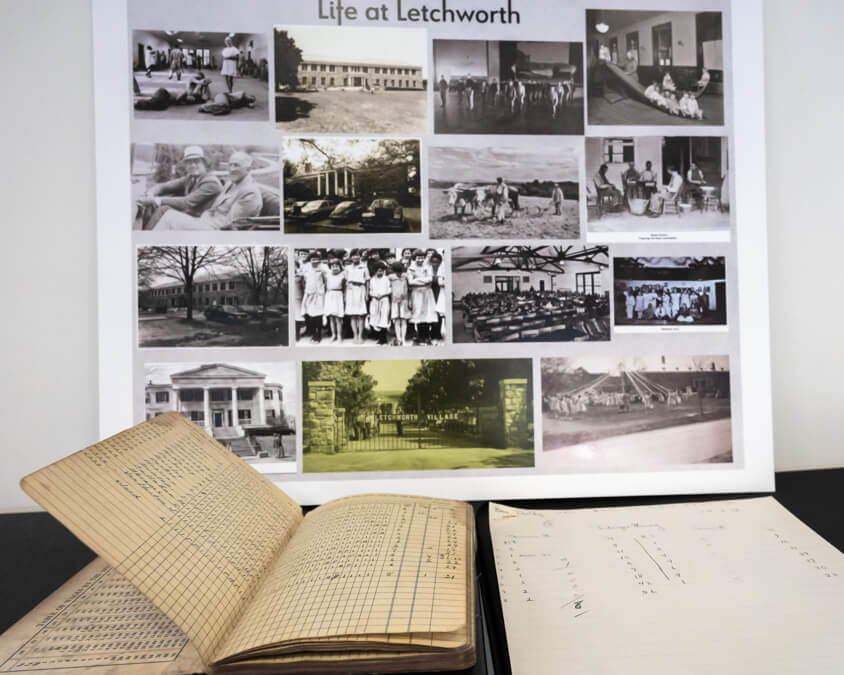
Letchworth Village, the former institution that cared for people with developmental disabilities, was born of good intentions. The brainchild of William Pryor Letchworth, an advocate for better care of people with disabilities, Letchworth opened in 1911. It was a model of progressive institutional care: a self-sustaining farming village where patients cultivated the land, cared for livestock, and crafted toys, a very different model from the high-rise asylums popular at the time. In its mid-century heyday, about 10,000 people worked at Letchworth Village in Thiells alongside about 3,000 patients.
The Dream Turns Dark
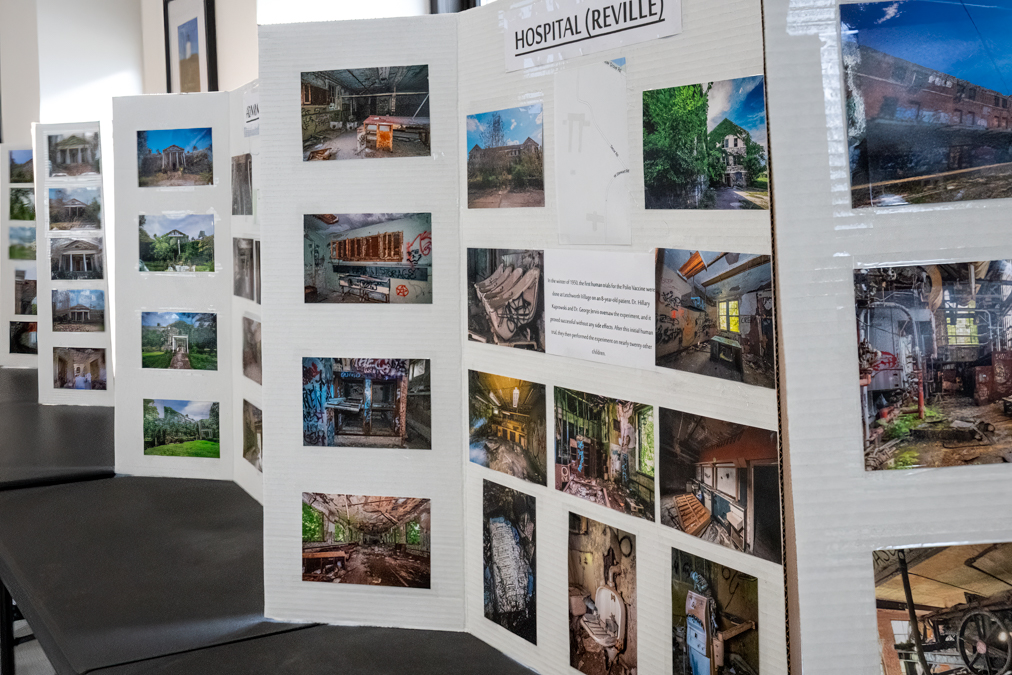
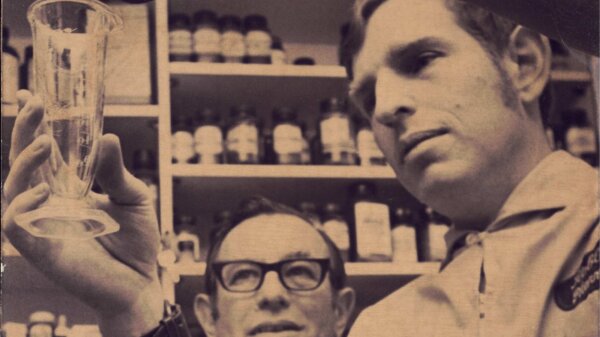
Over time, however, the dream turned dark. There was severe overcrowding, physical and sexual abuse, and neglect. Early polio vaccines were tested on children, without consent, in Letchworth’s now-spooky hospital. In the sixties and seventies, there was heightened scrutiny of institutional healthcare. In 1972, investigative reporter Geraldo Rivera exposed the appalling conditions at Willowbrook as well as Letchworth in an ABC TV story. As a result, funding increased for both institutions, but not enough. And public outrage pushed away from the institutionalization model to smaller community group care. In 1996, after 85 years of operation, Letchworth closed.
The Letchworth Landscape Lives On
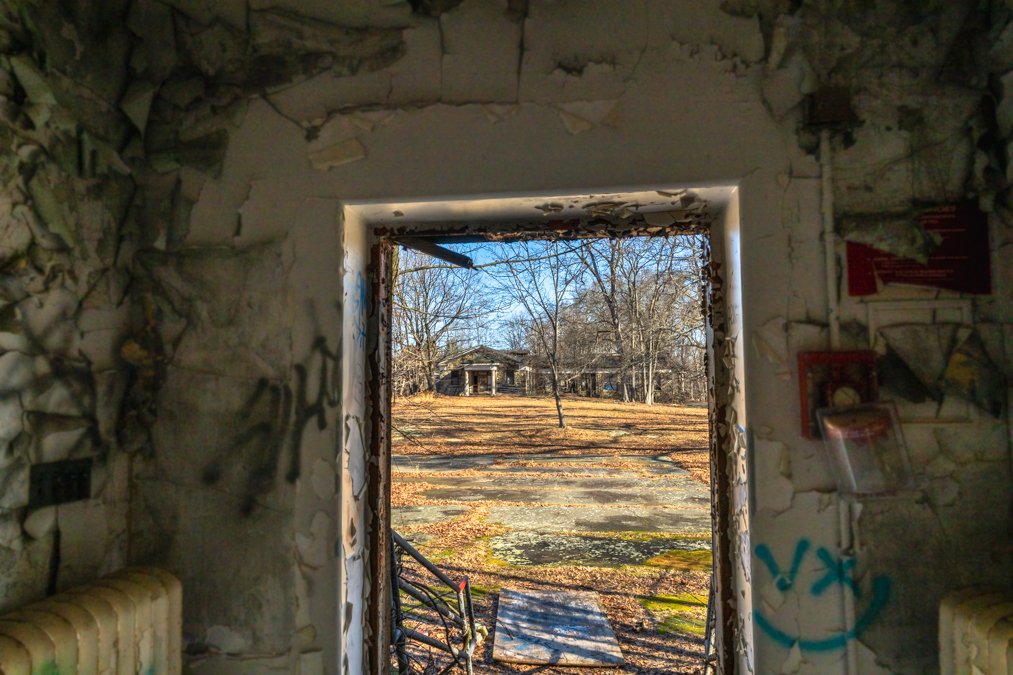
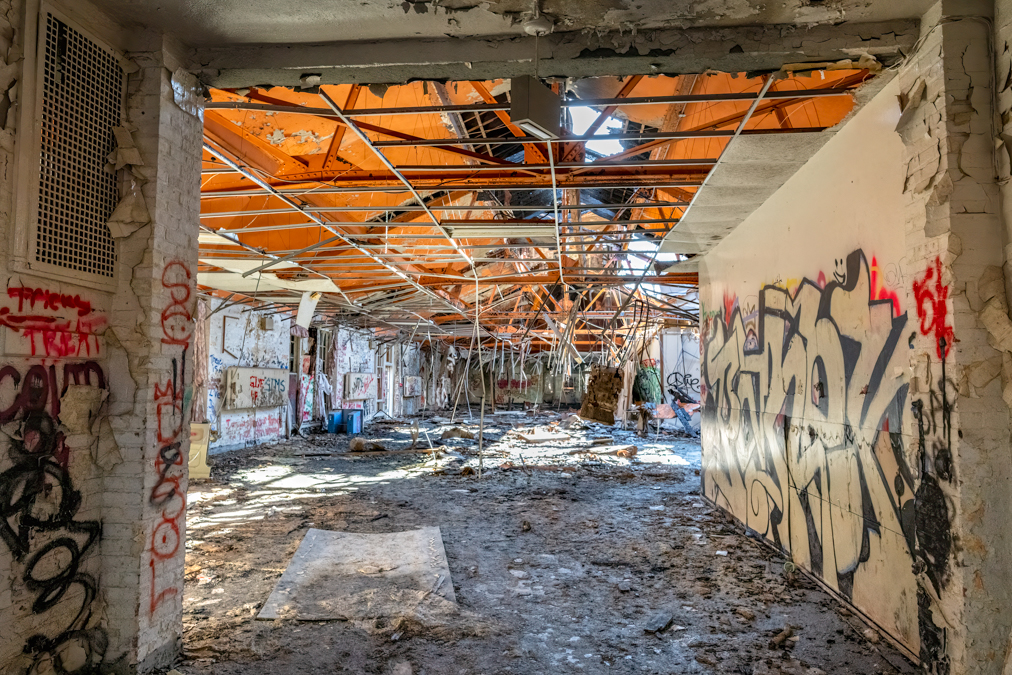
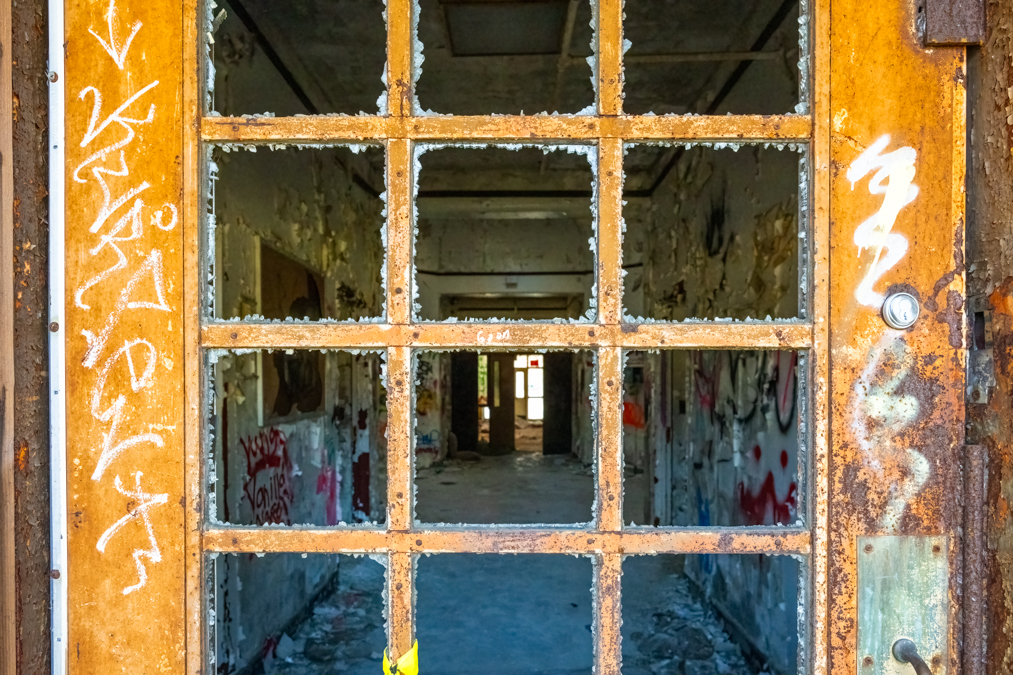
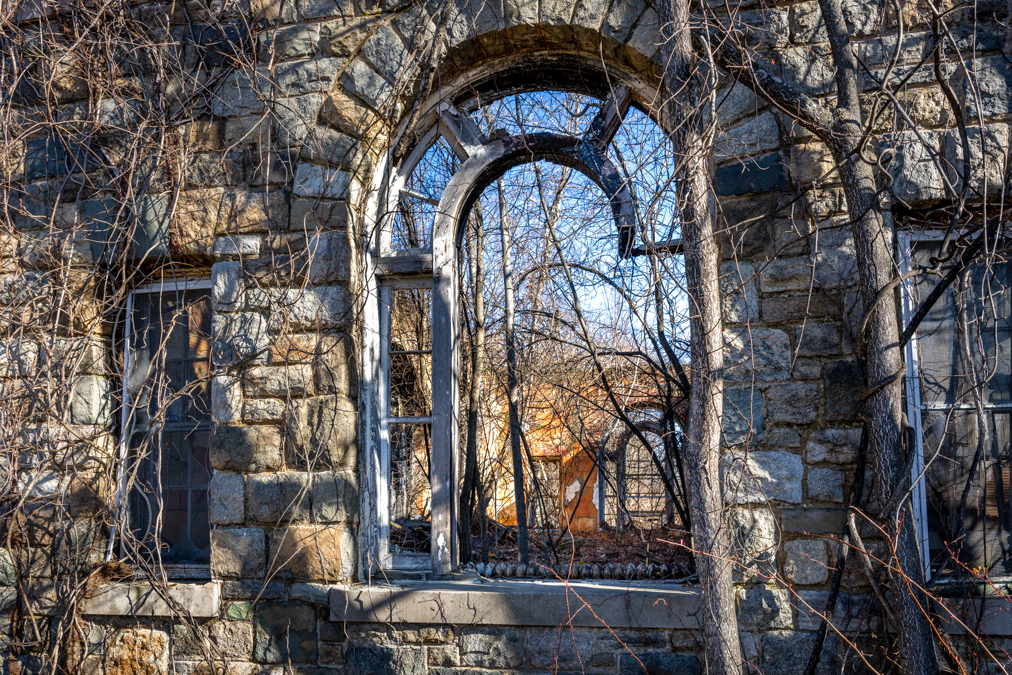
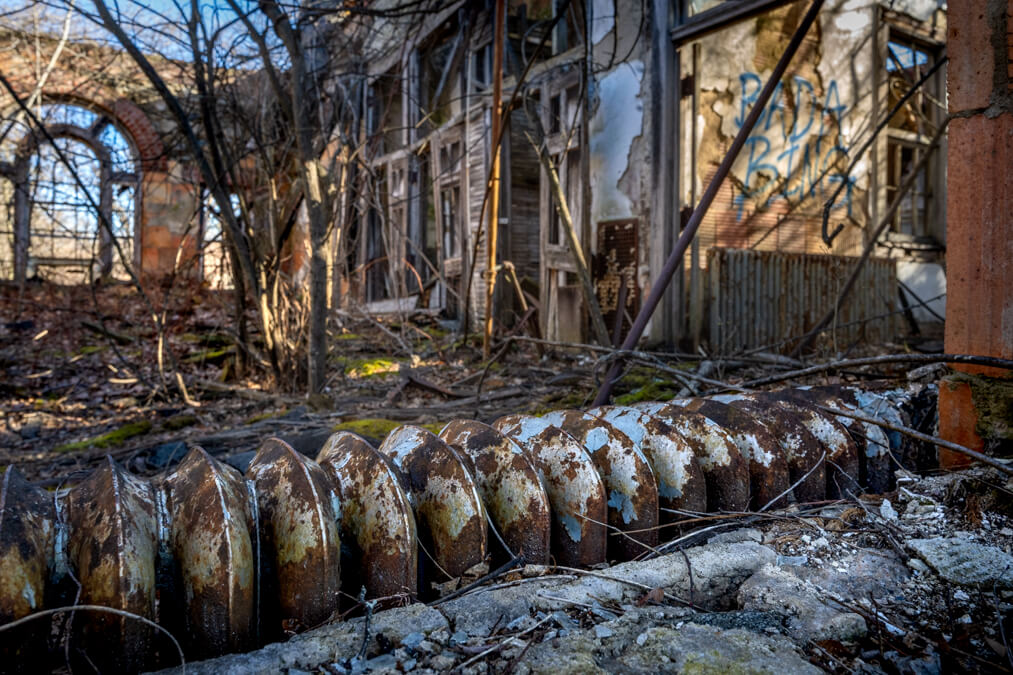
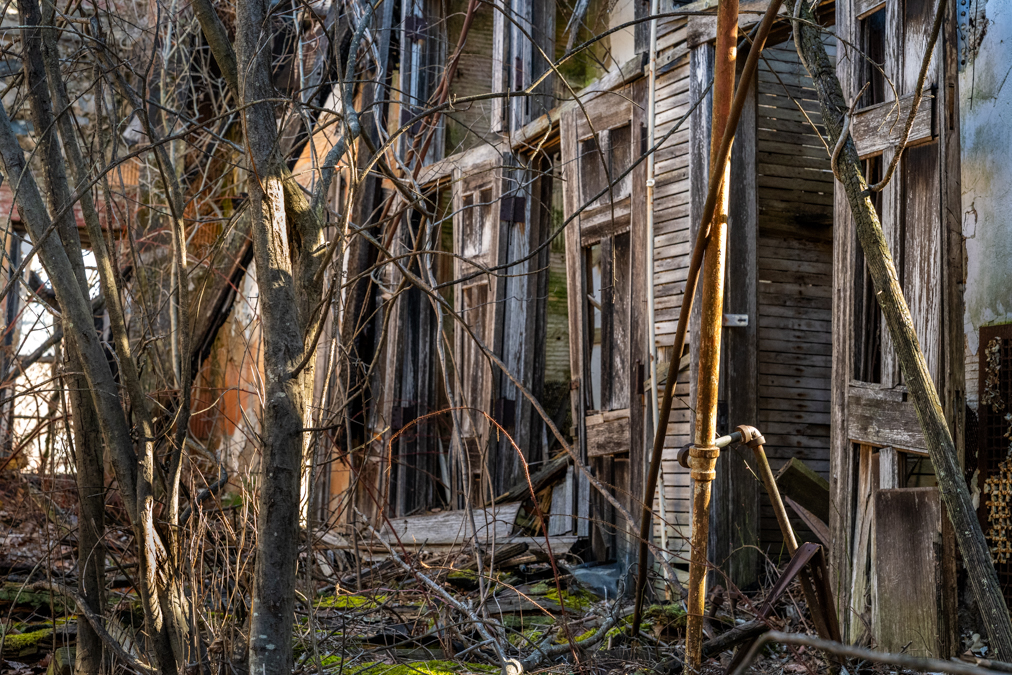
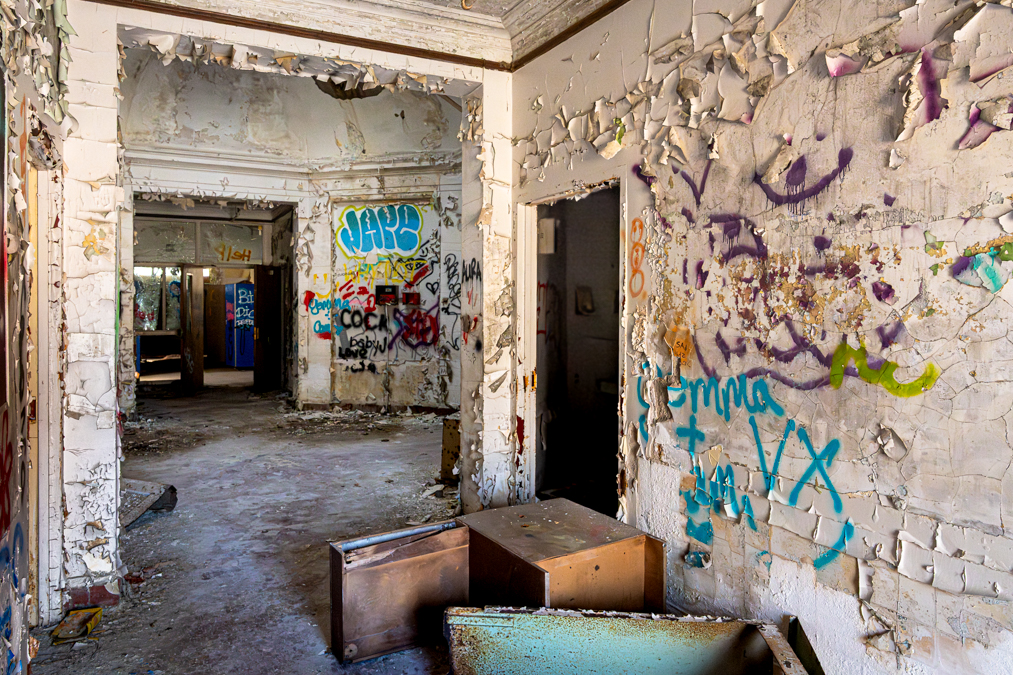
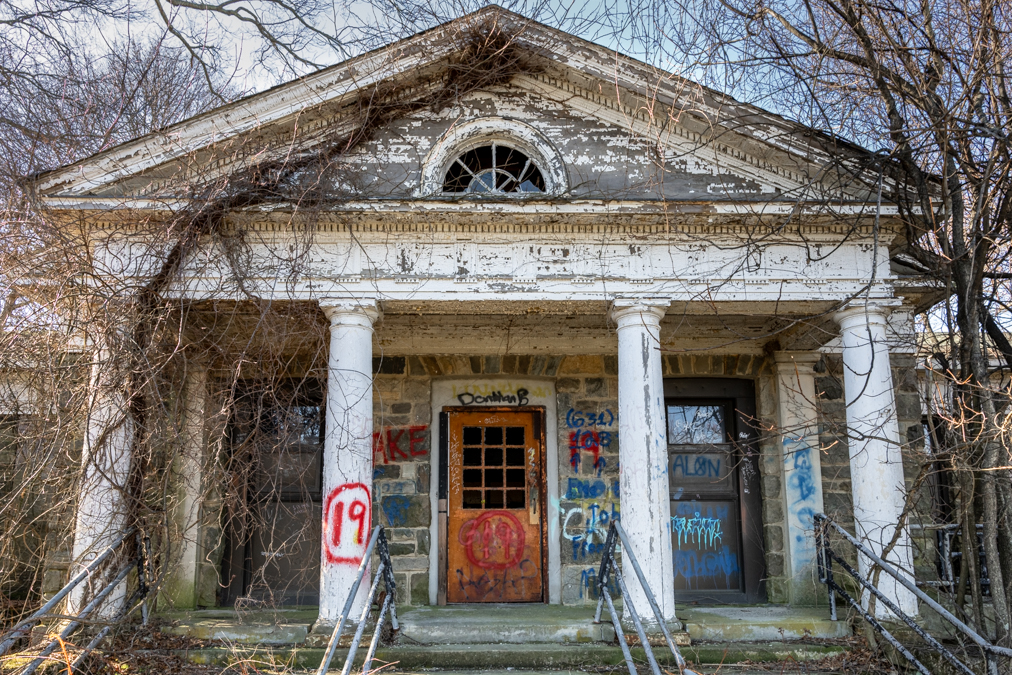
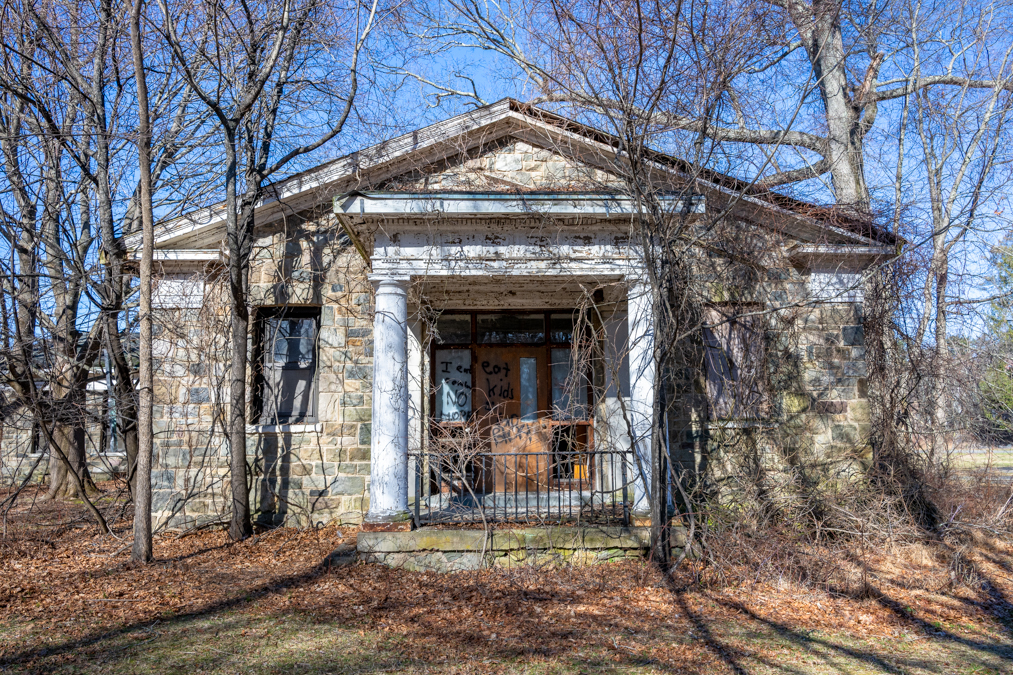
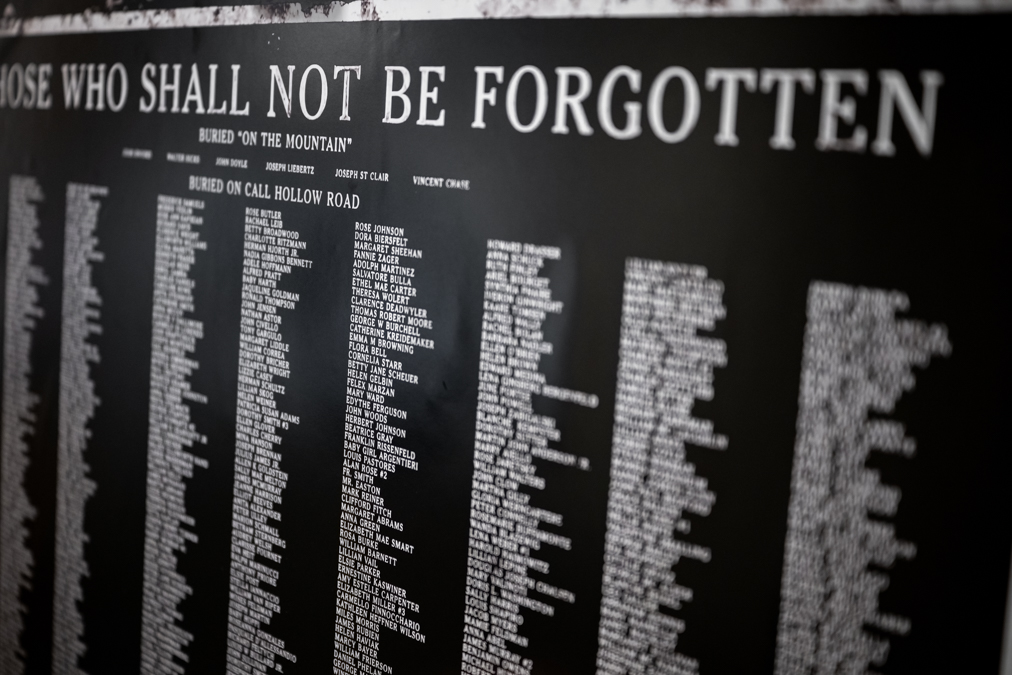
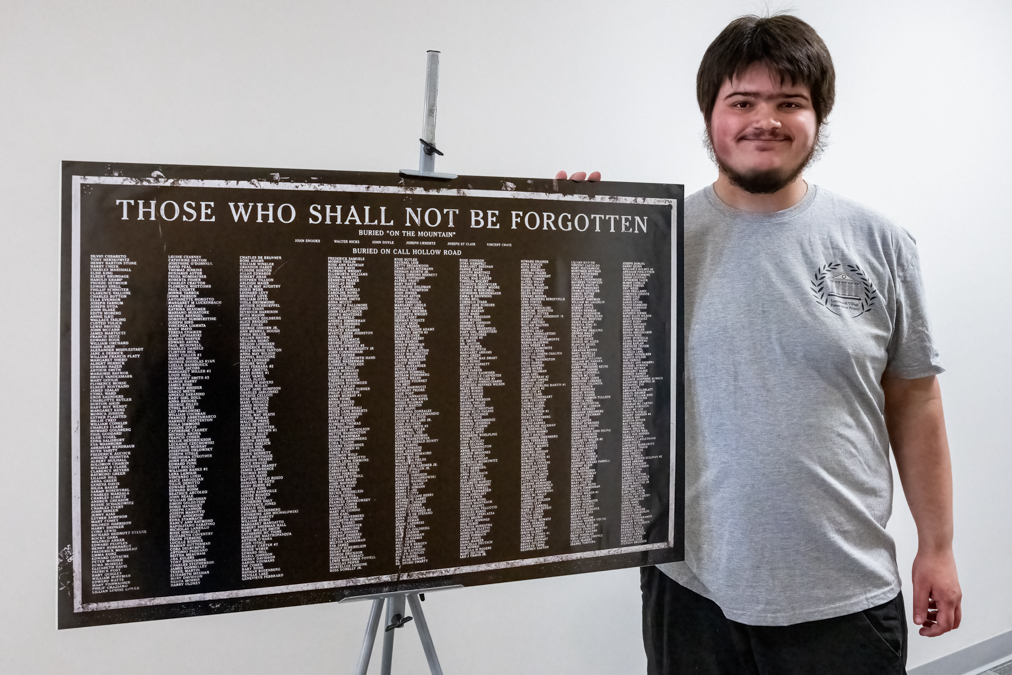
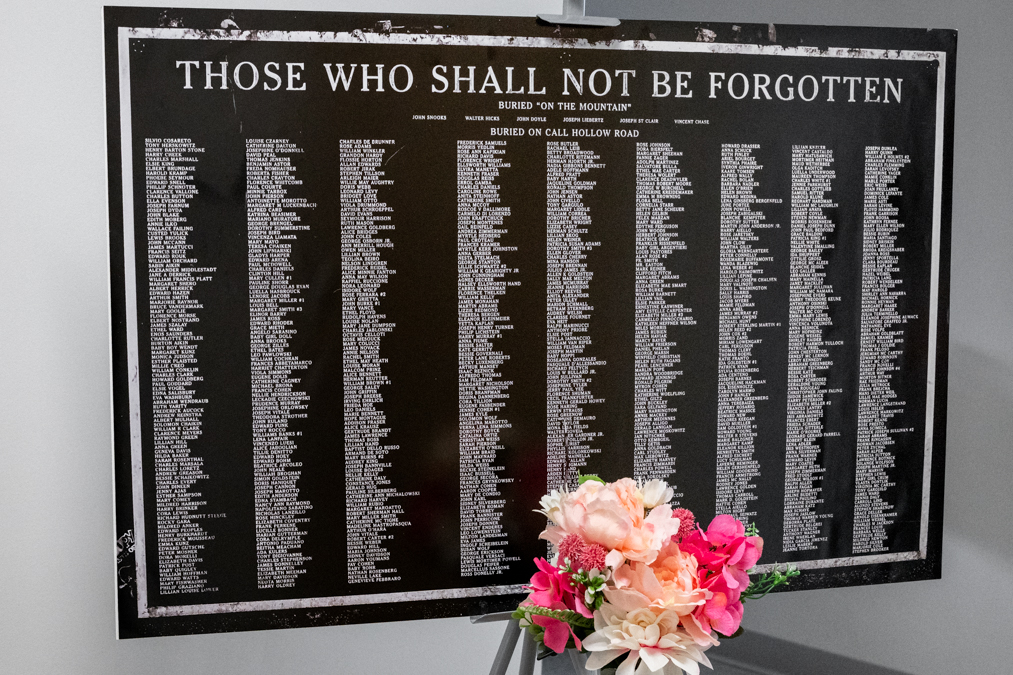
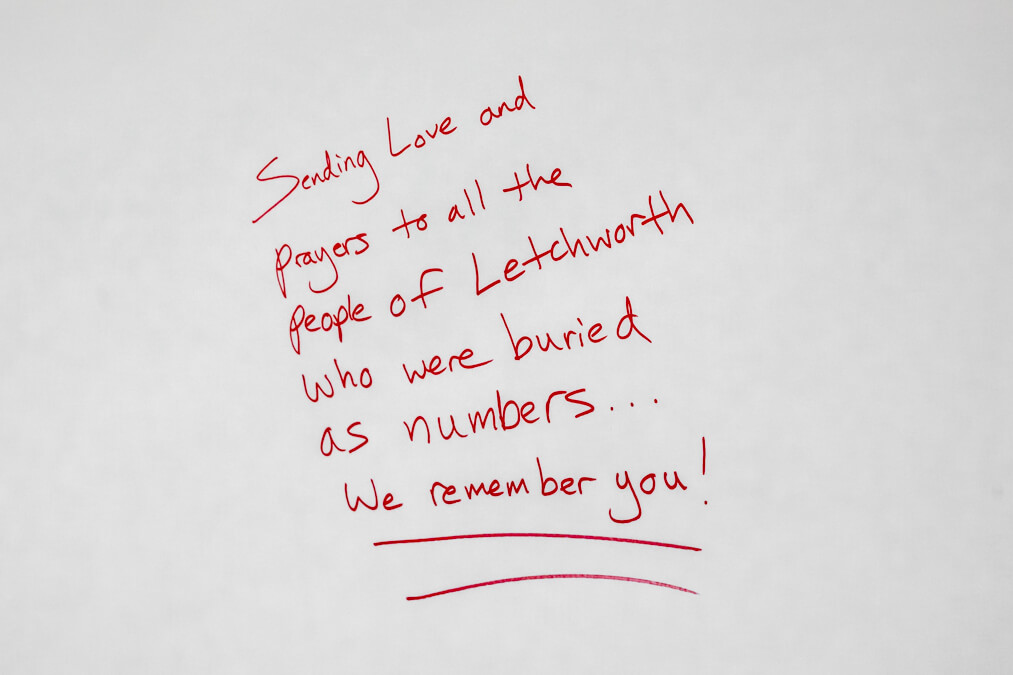
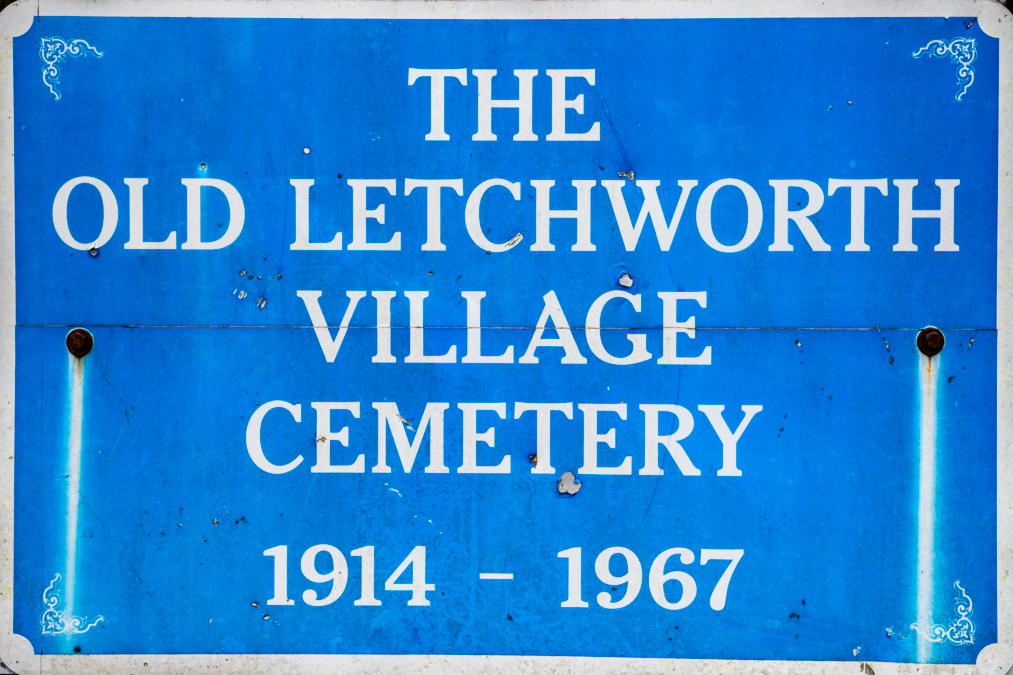
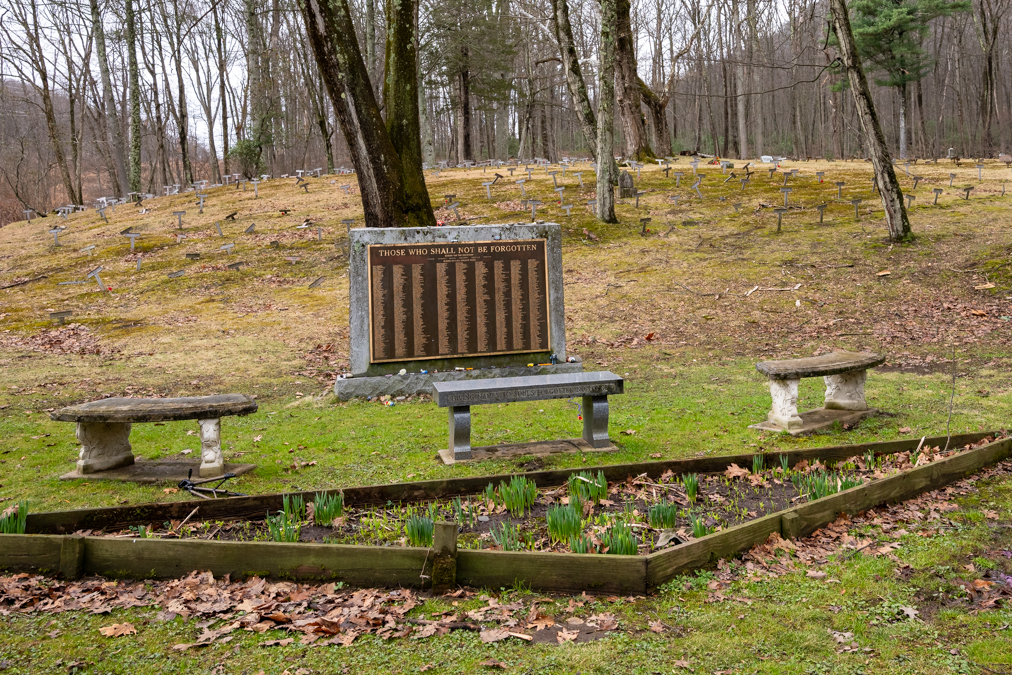
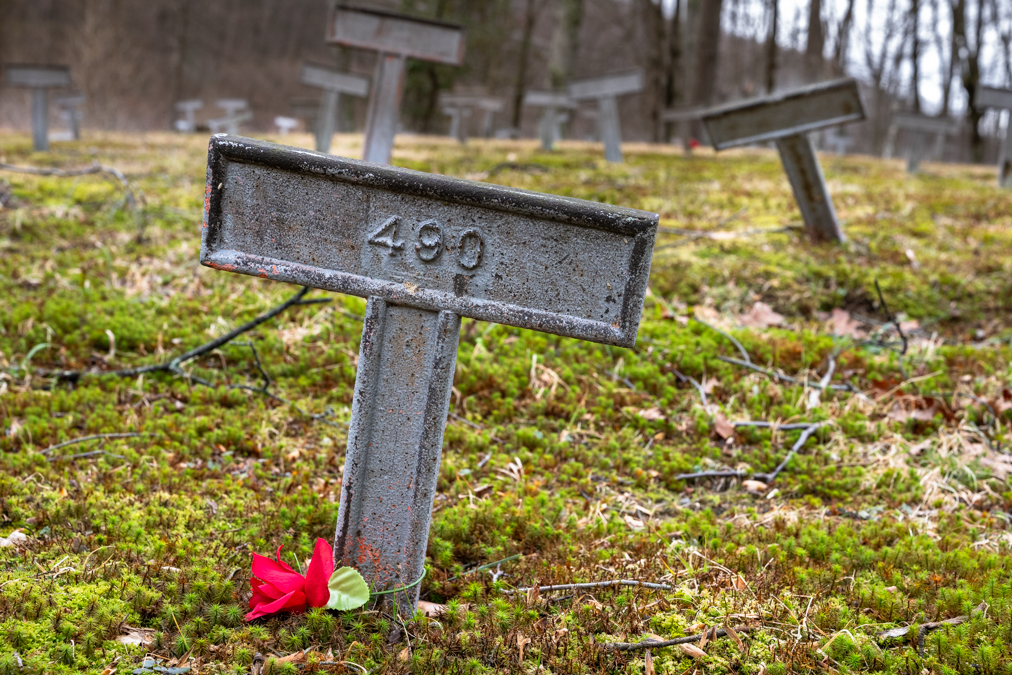
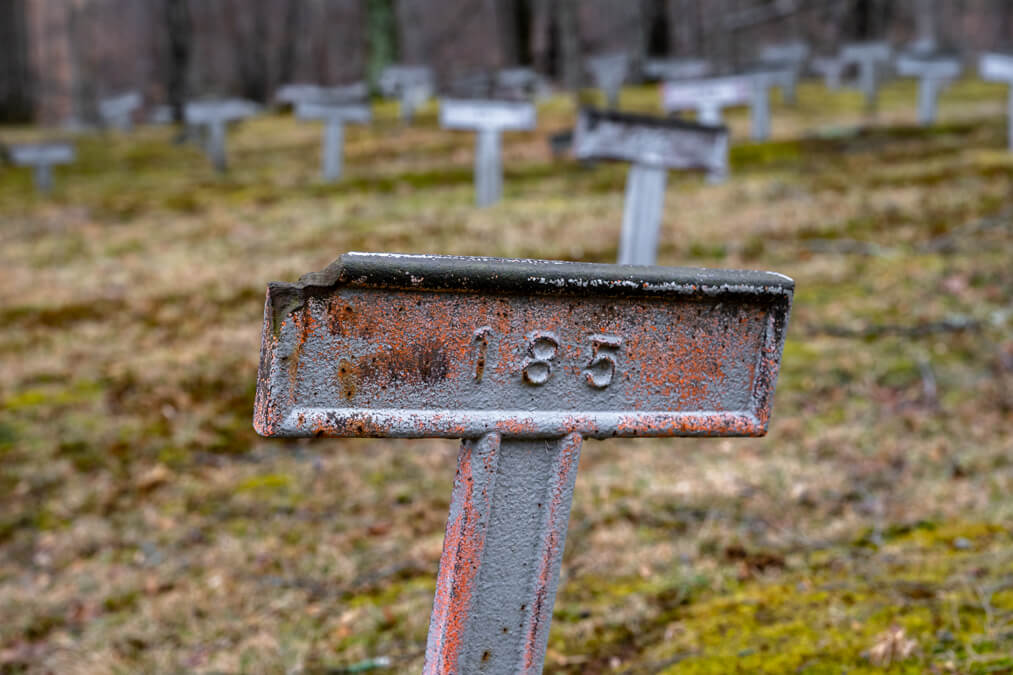
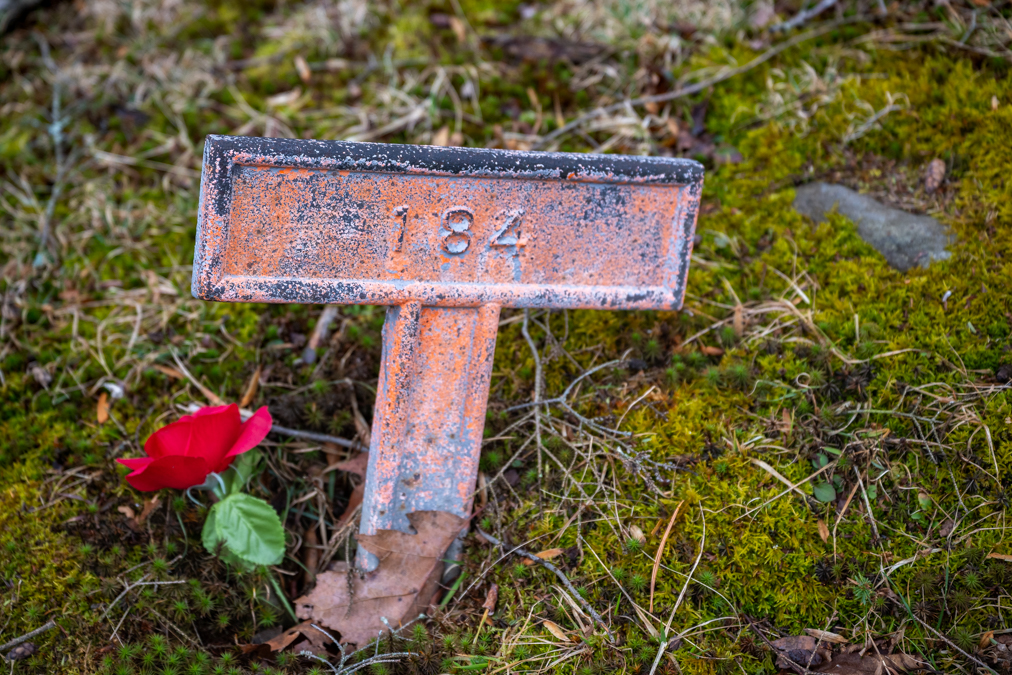
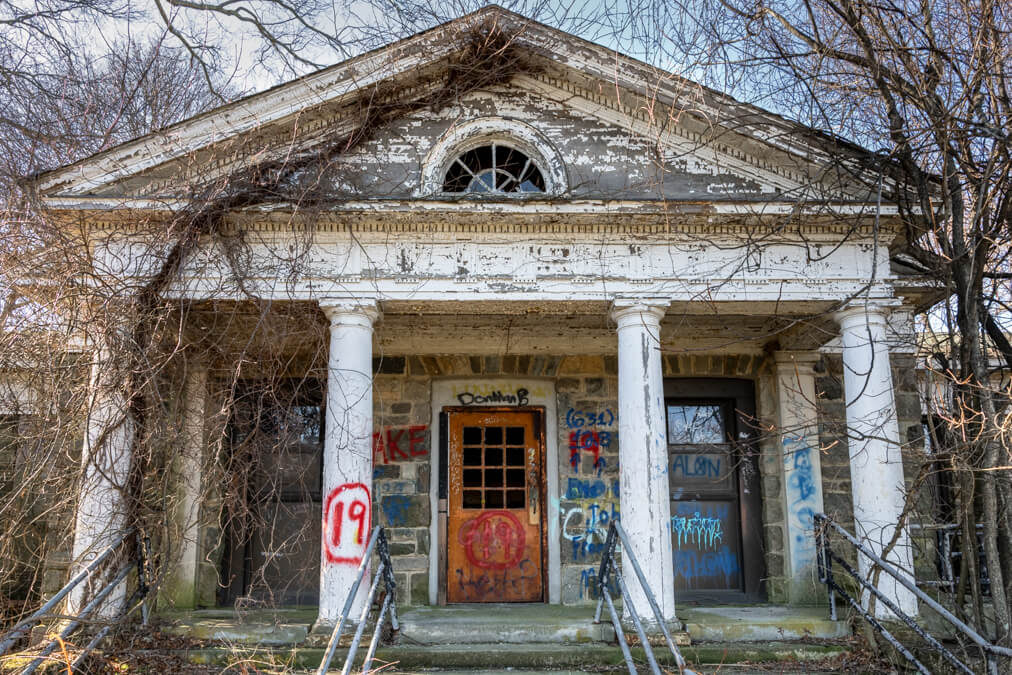
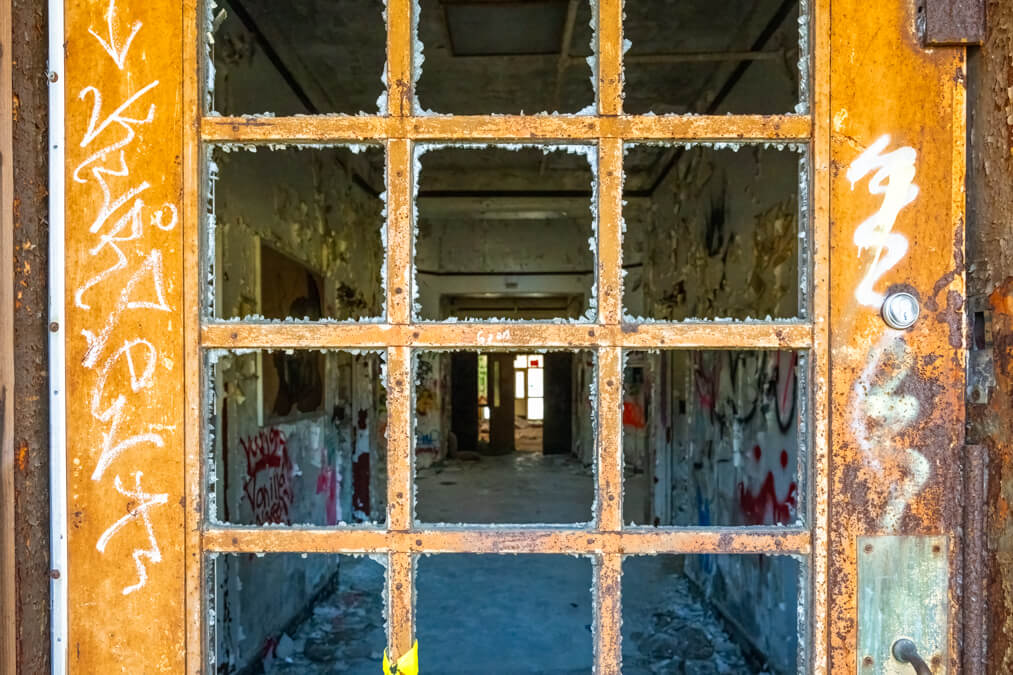
Today, the 2,300-acre landscape remains dotted with decaying, graffiti-splotched buildings. There are two cemeteries, one that until 2007 had hundreds of unmarked graves (the patients names have now been identified). There’s also a golf course, offices, and a school. While redevelopment may be part of Letchworth’s future, telling its story is, too.
Stories and Objects Live On, Too
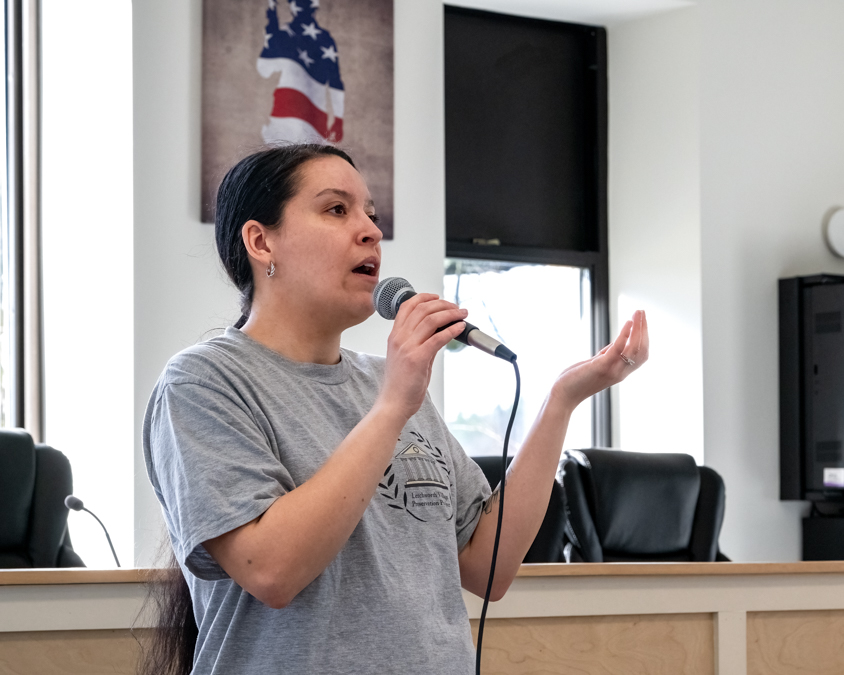
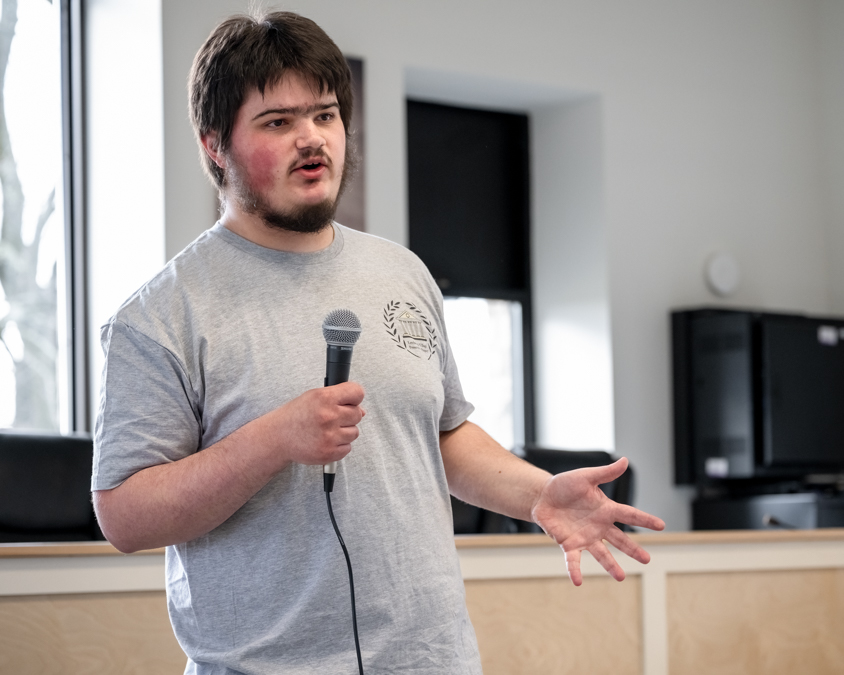
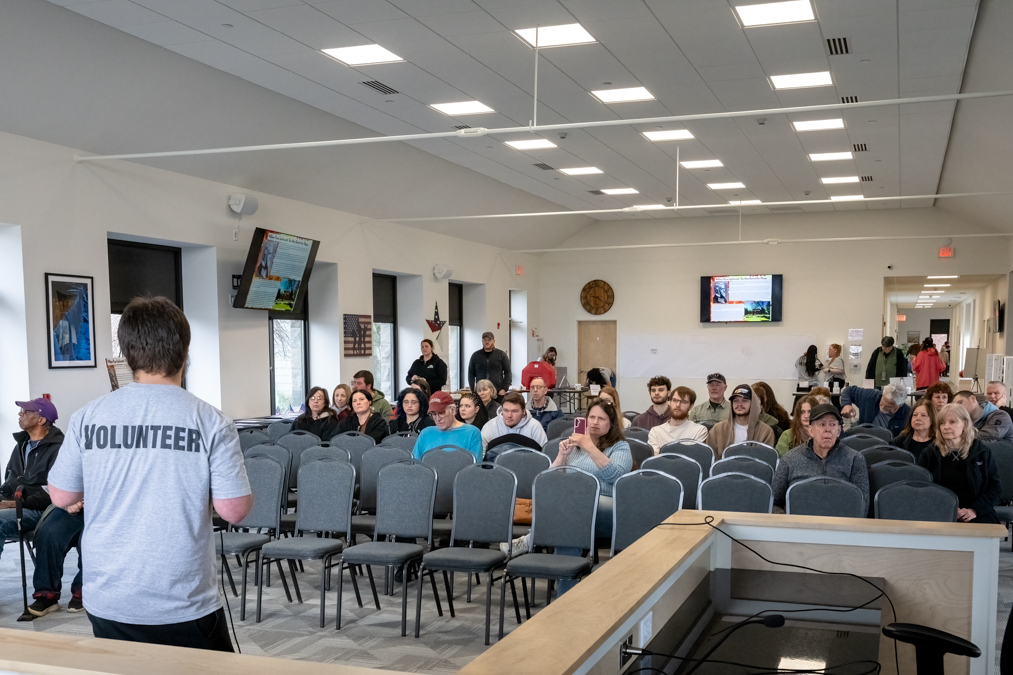
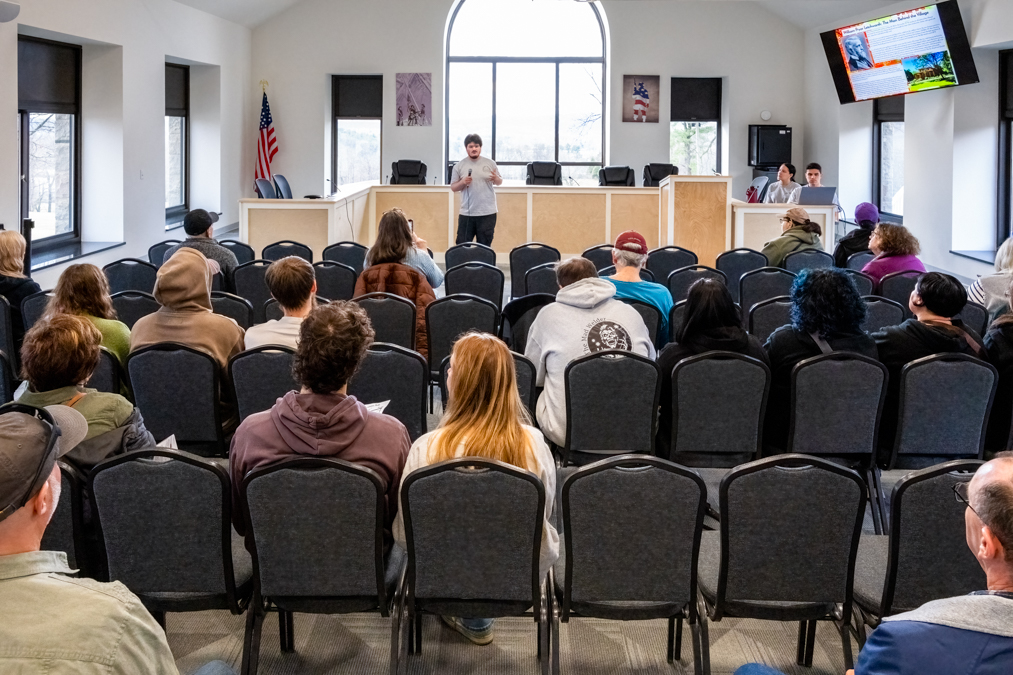
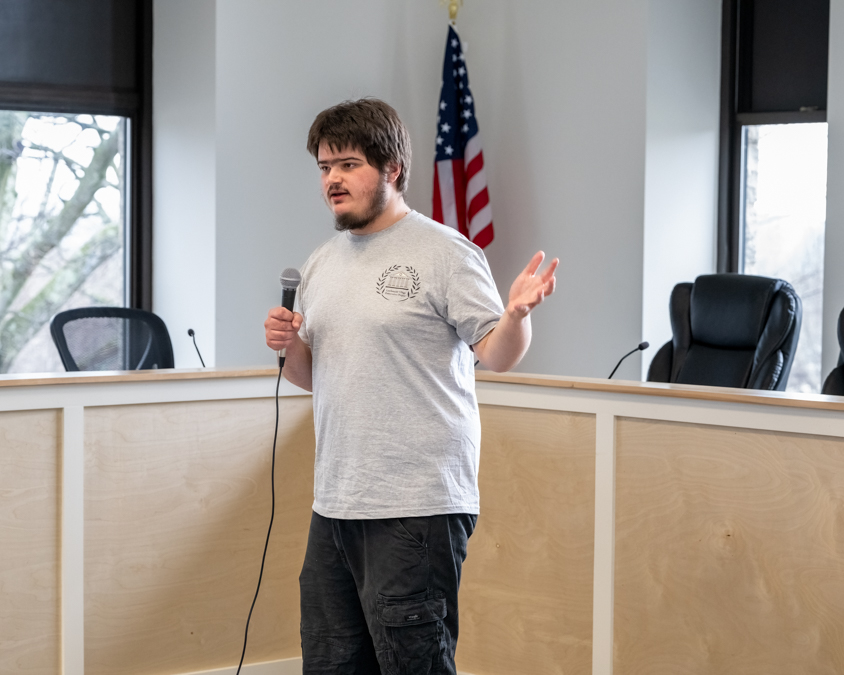
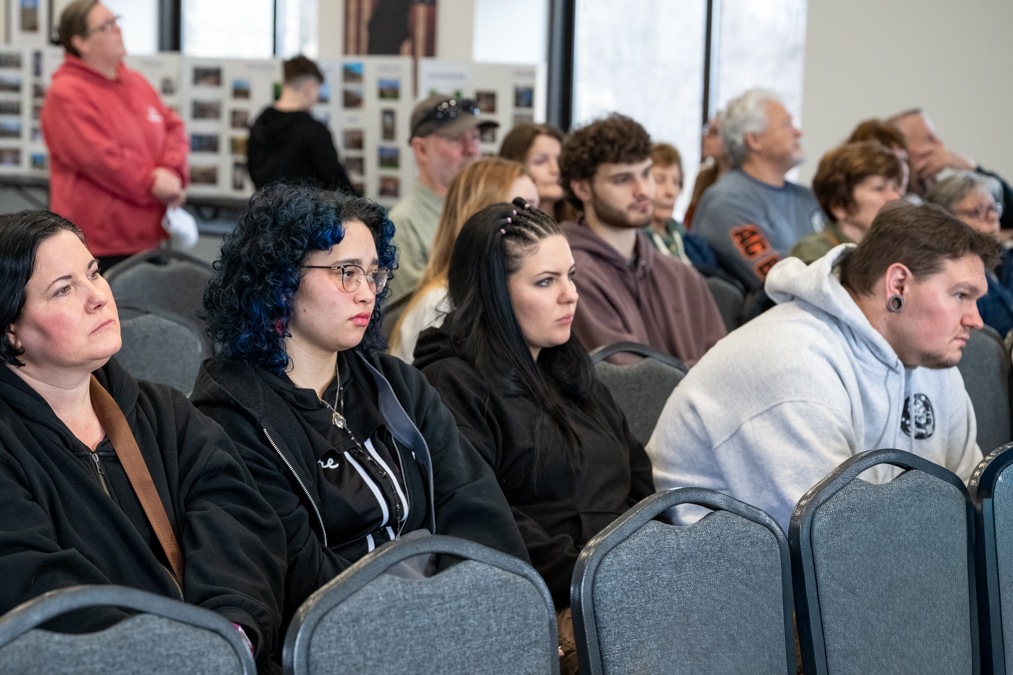
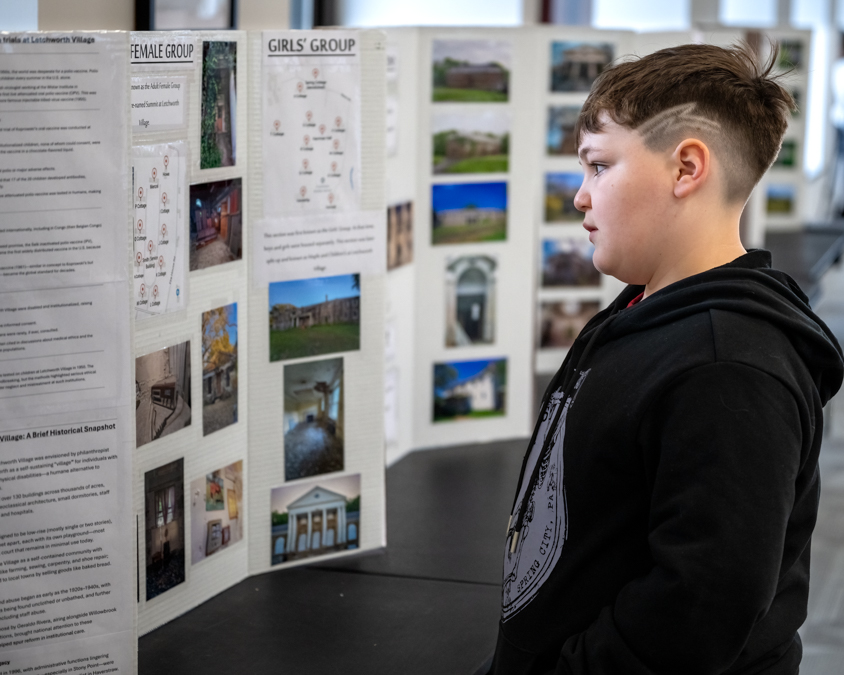
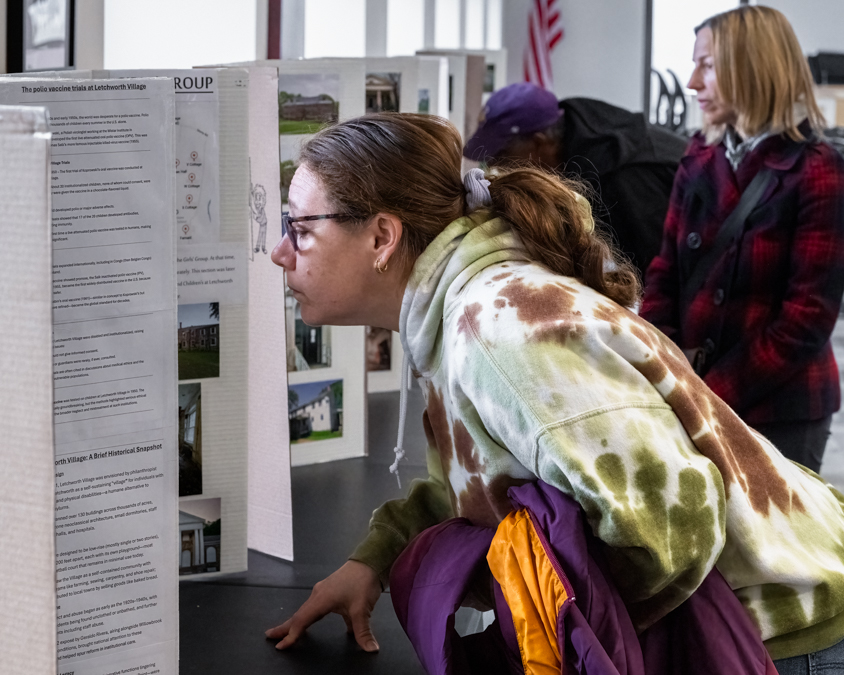
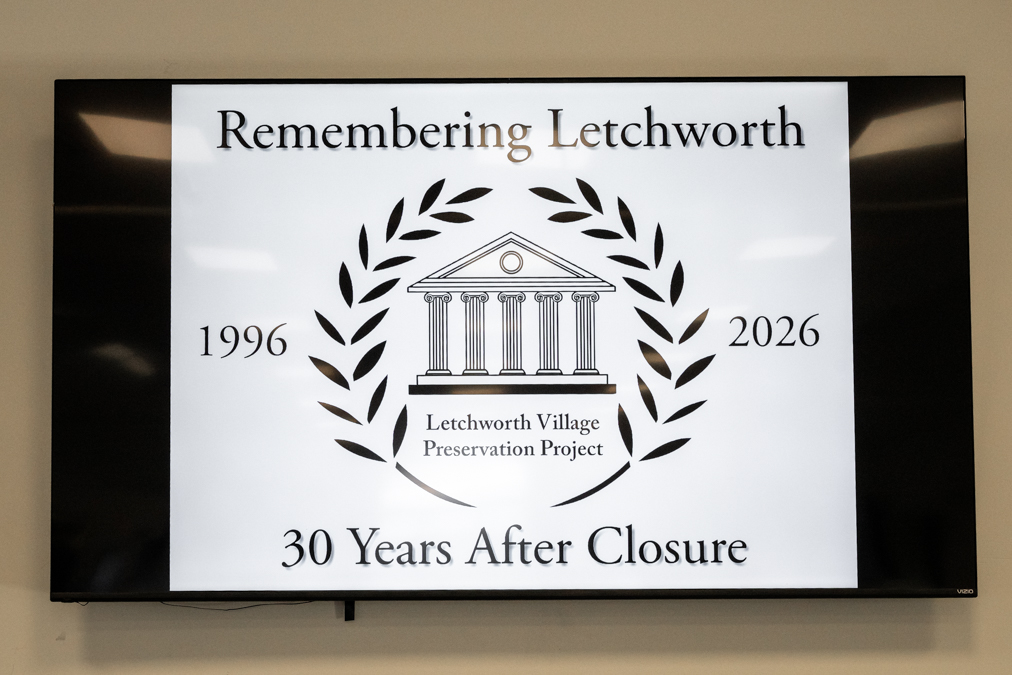
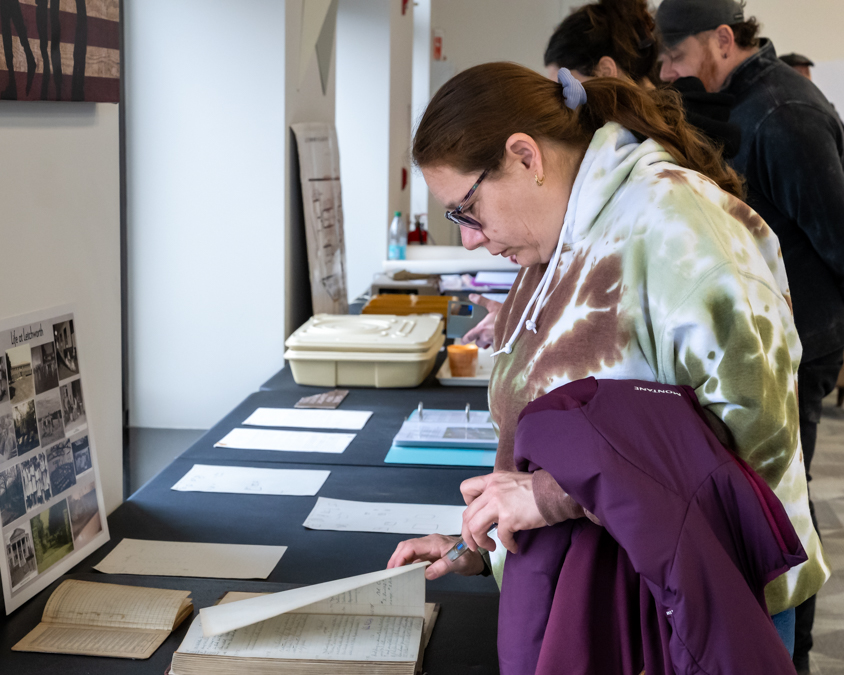
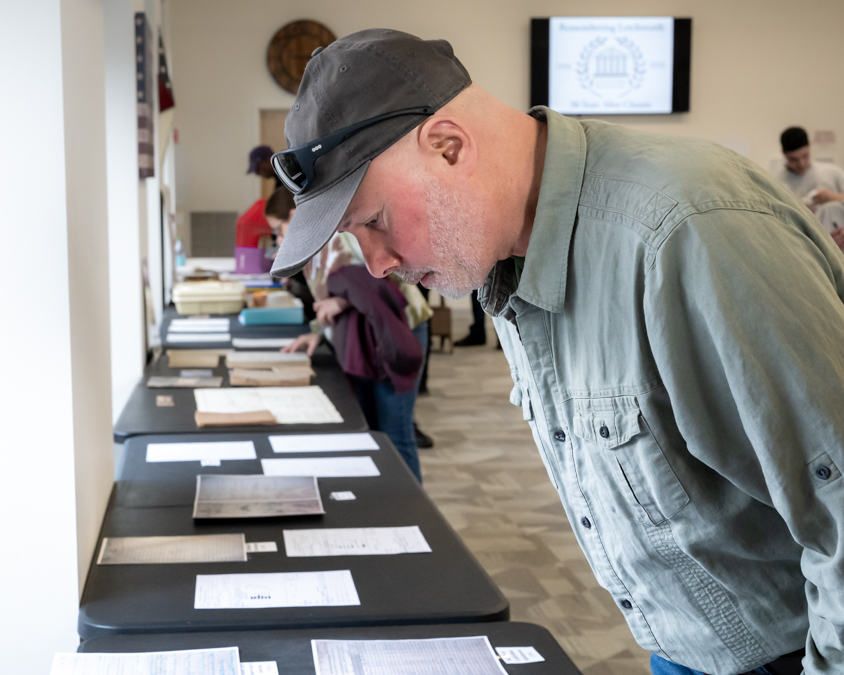
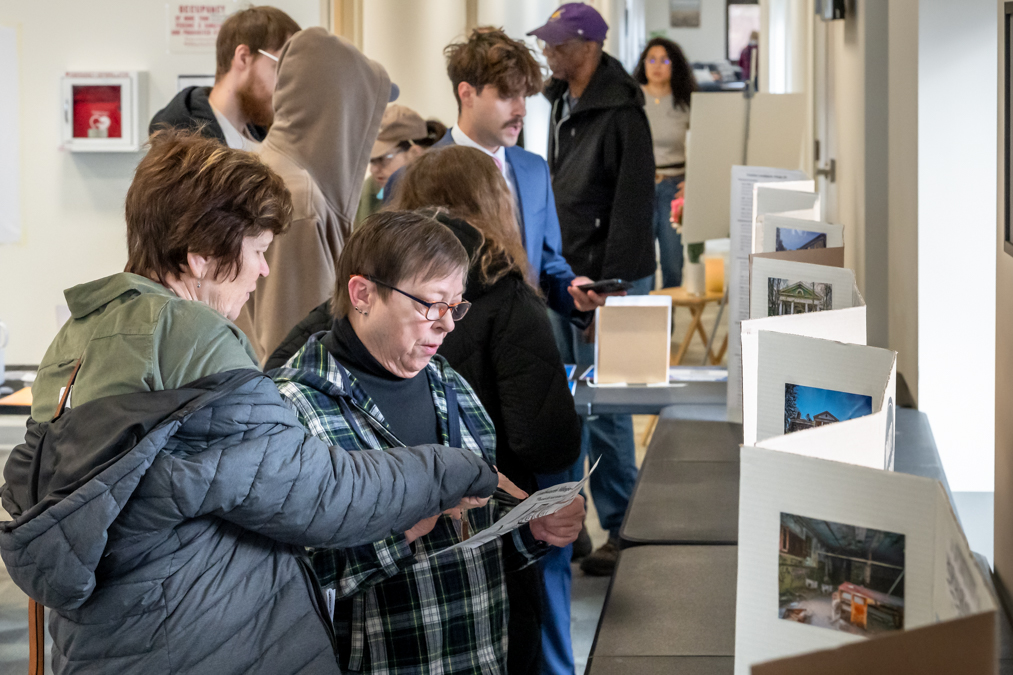
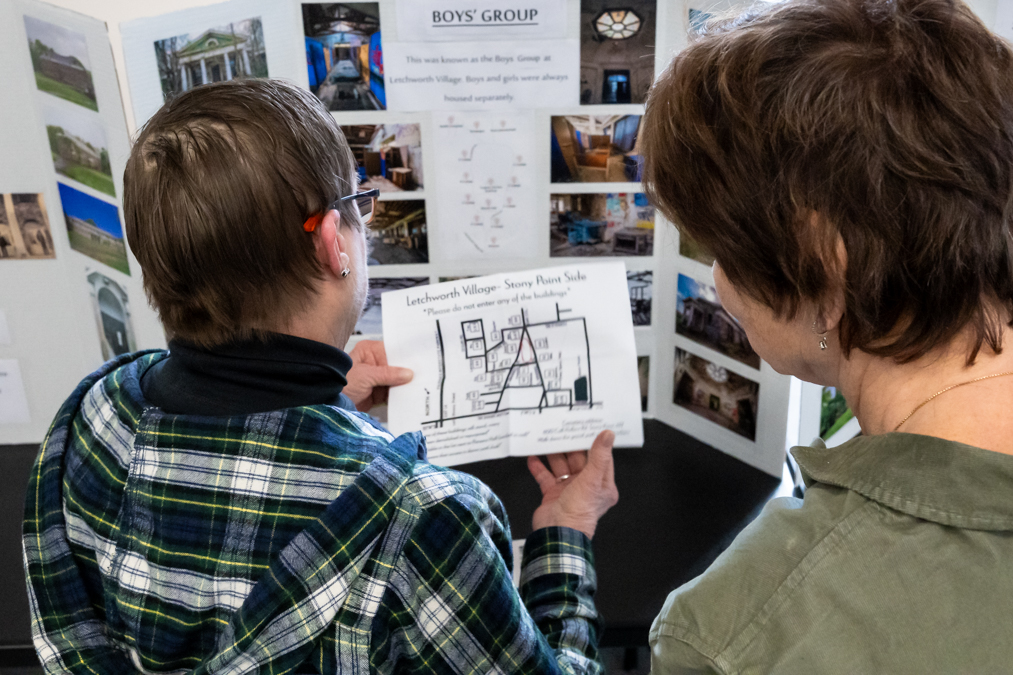
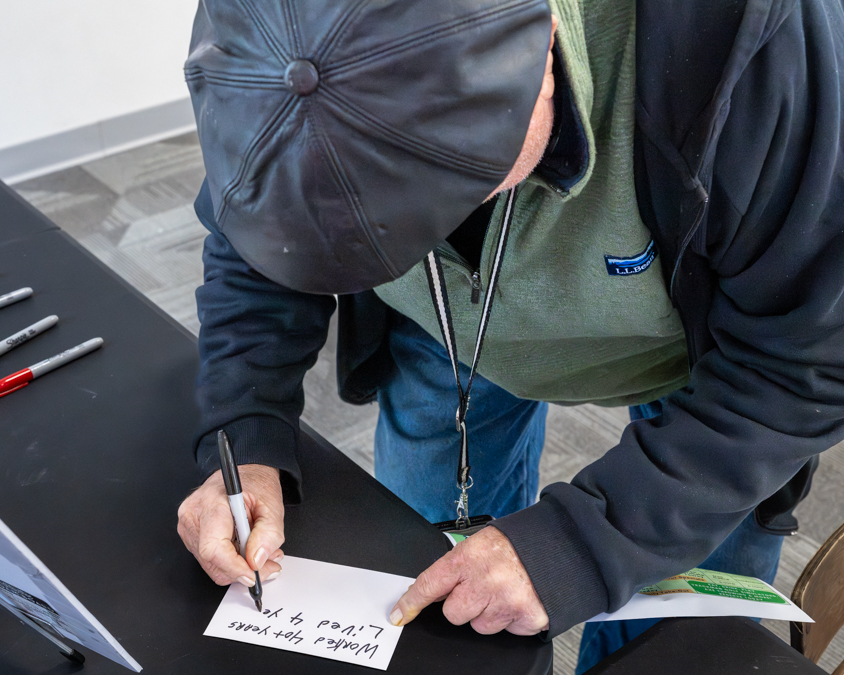
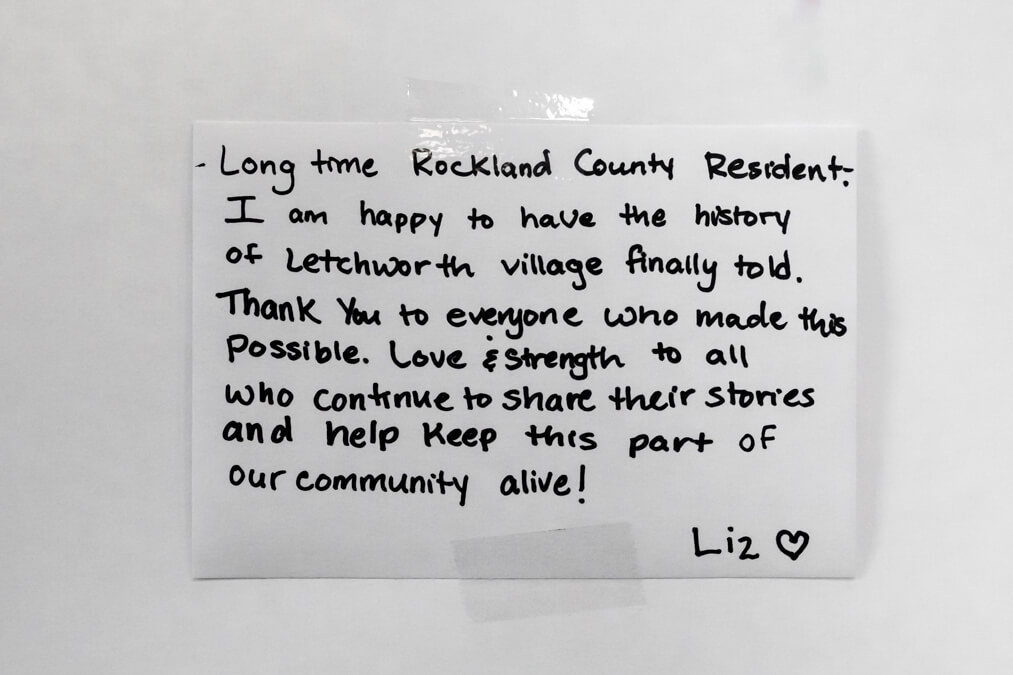
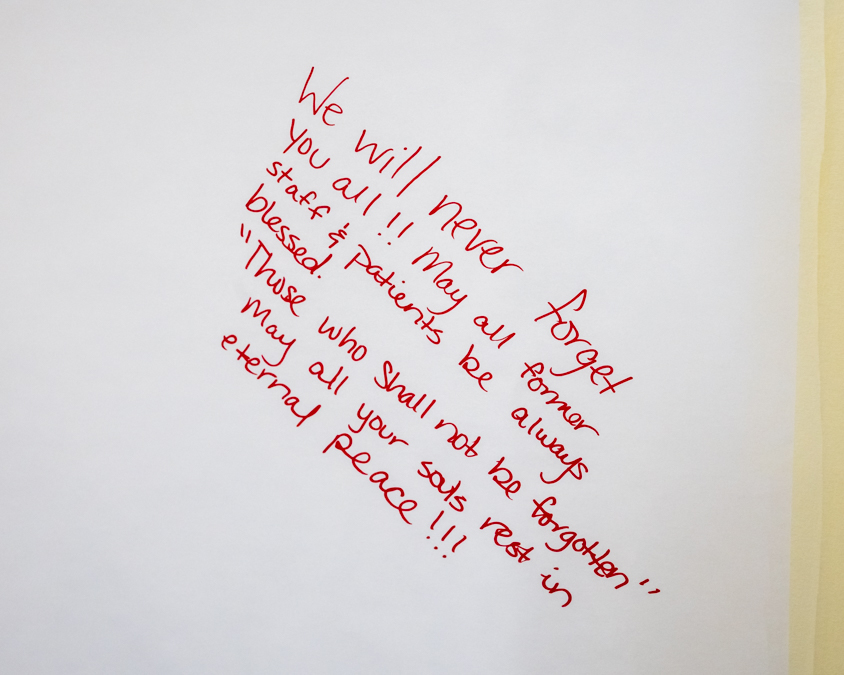
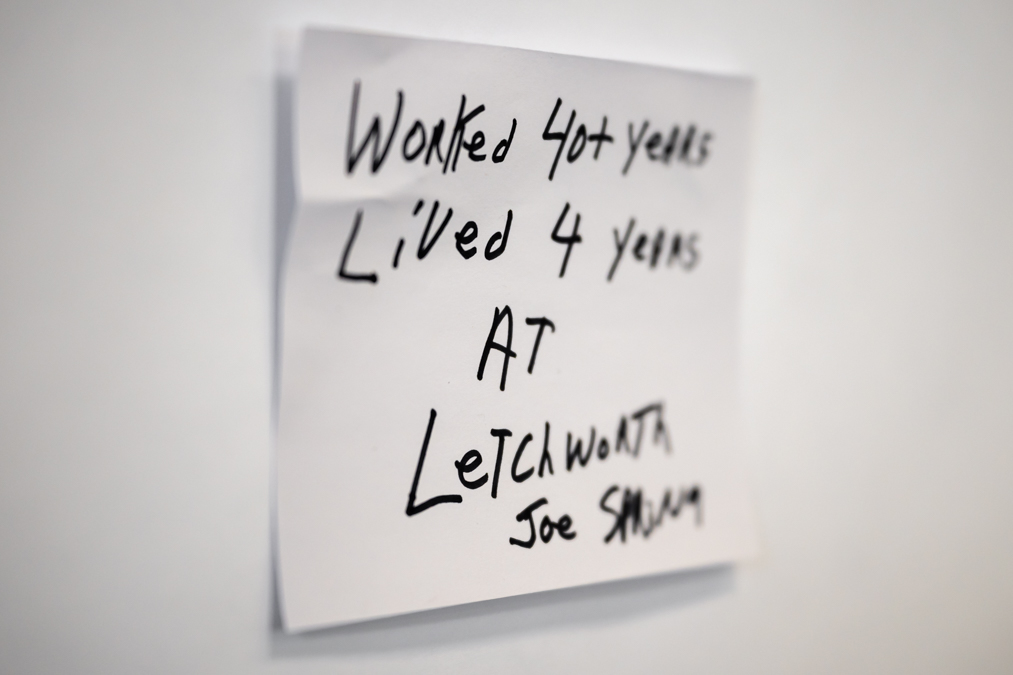
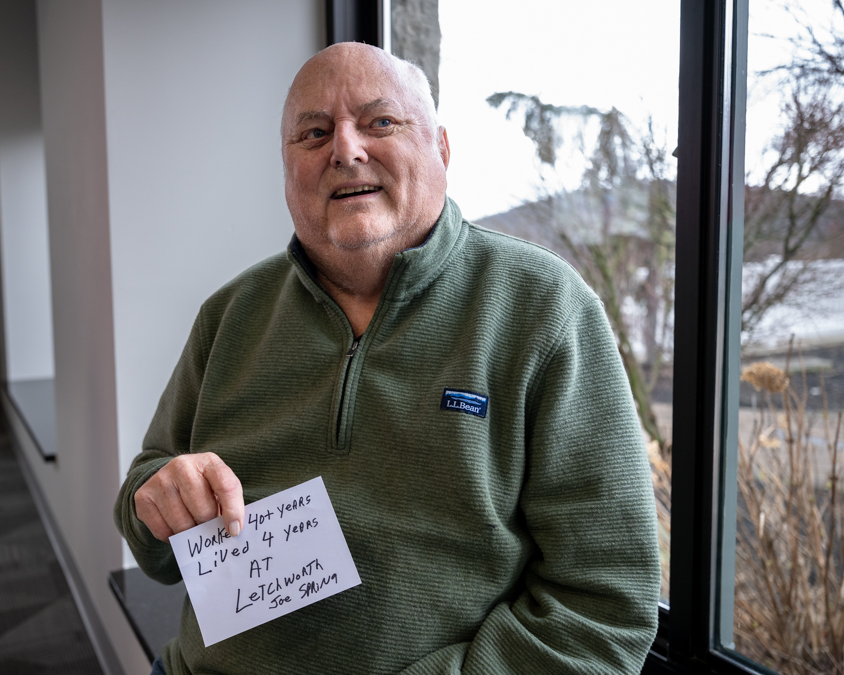
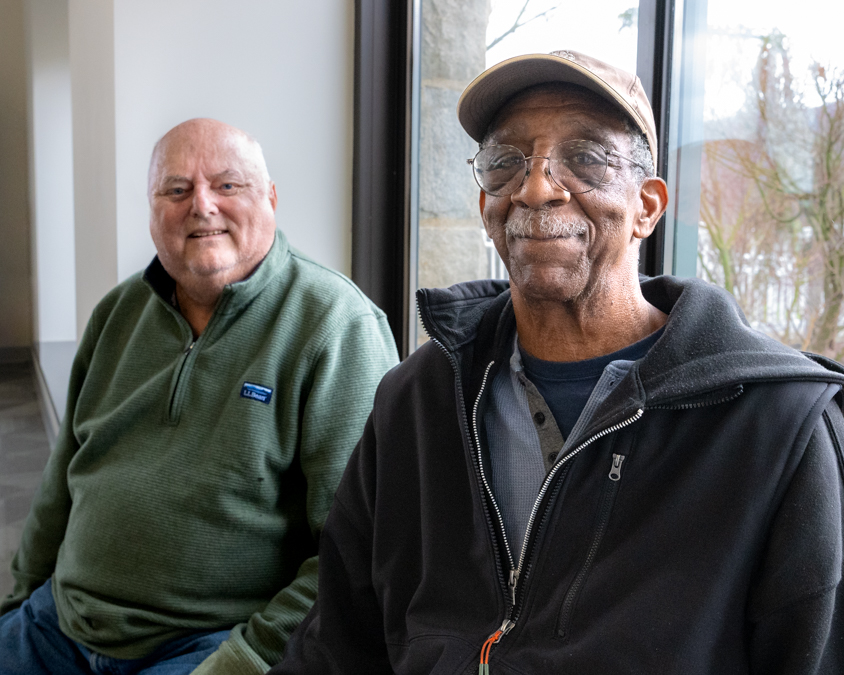
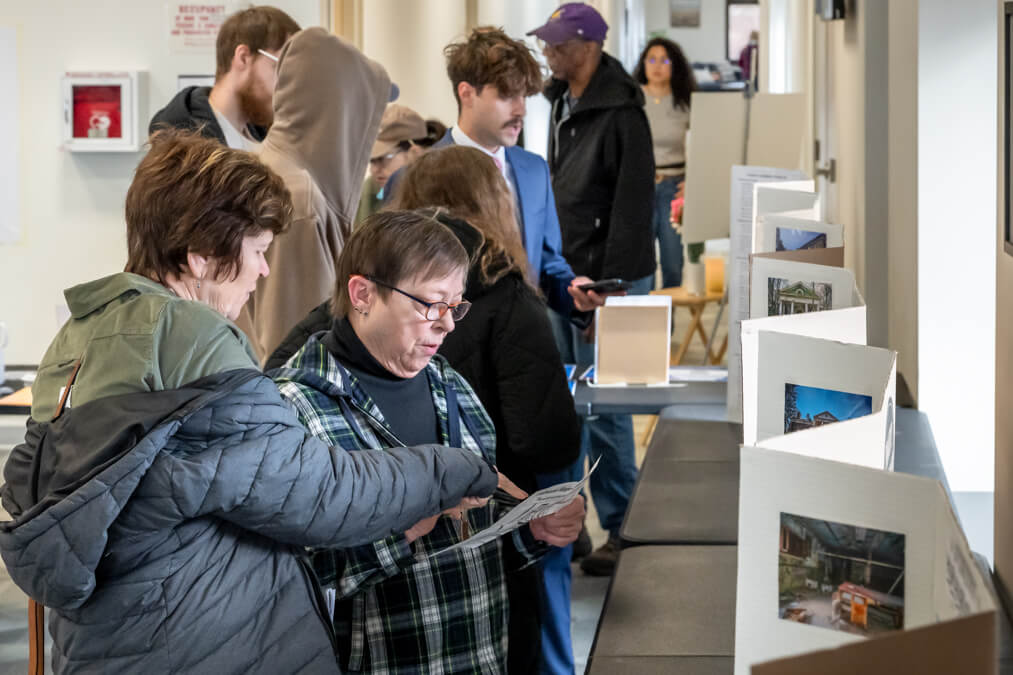
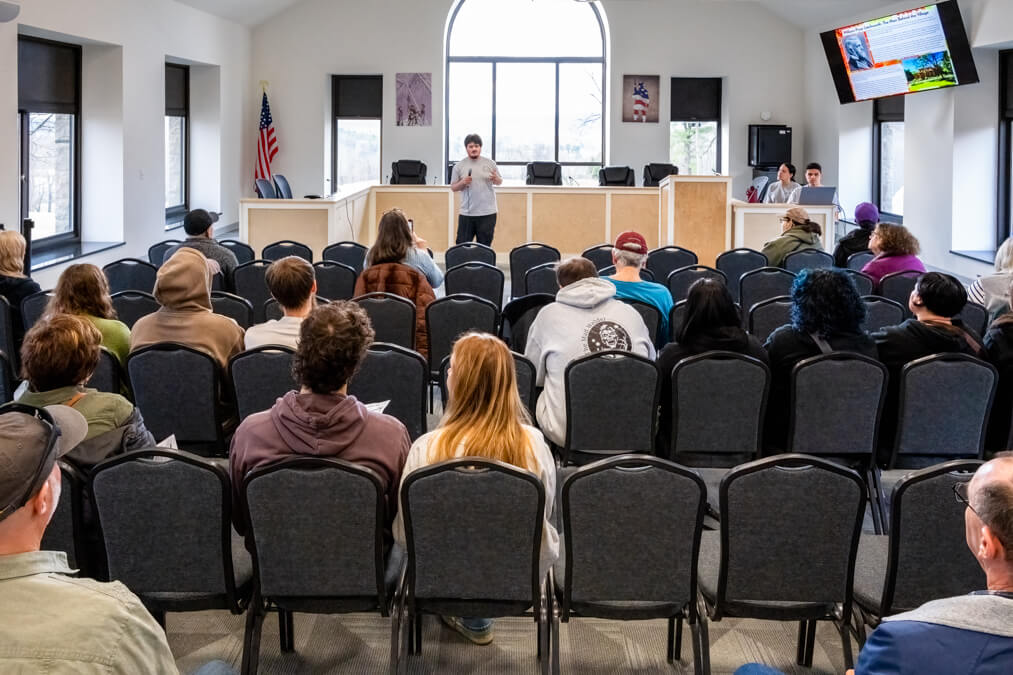
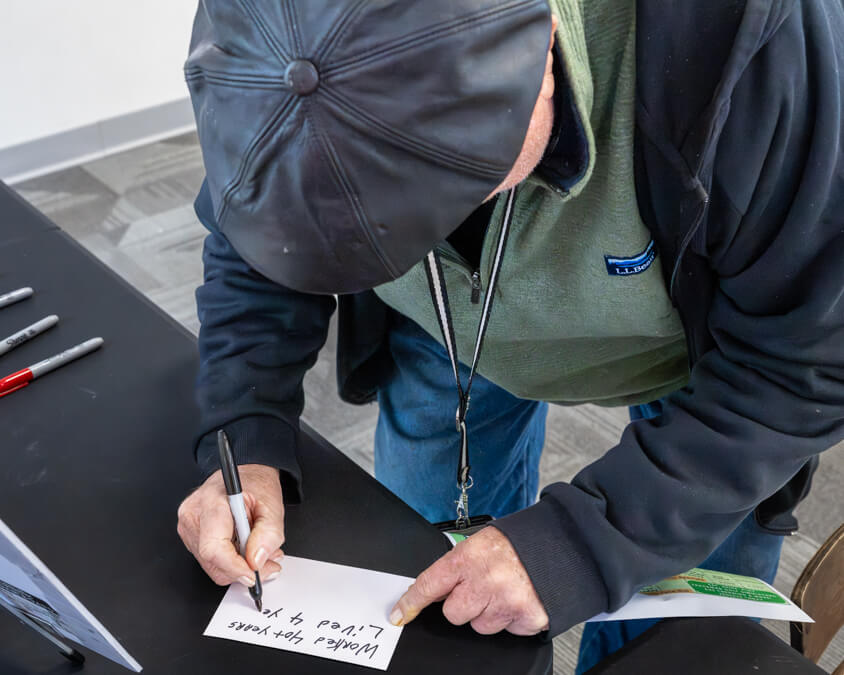
Enter the Letchworth Village Preservation Project (LVPP), which is intent on that. On a recent rainy Saturday morning, the LVPP invited former staff, families, and the public to the site to learn about the institution and to contribute oral histories and objects that the Project hopes will one day form part of a museum.
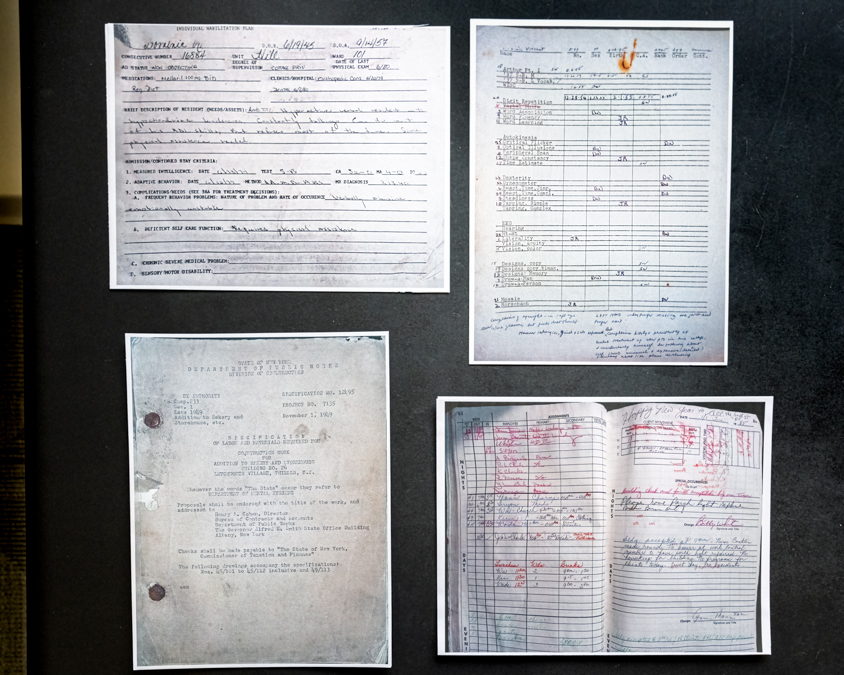
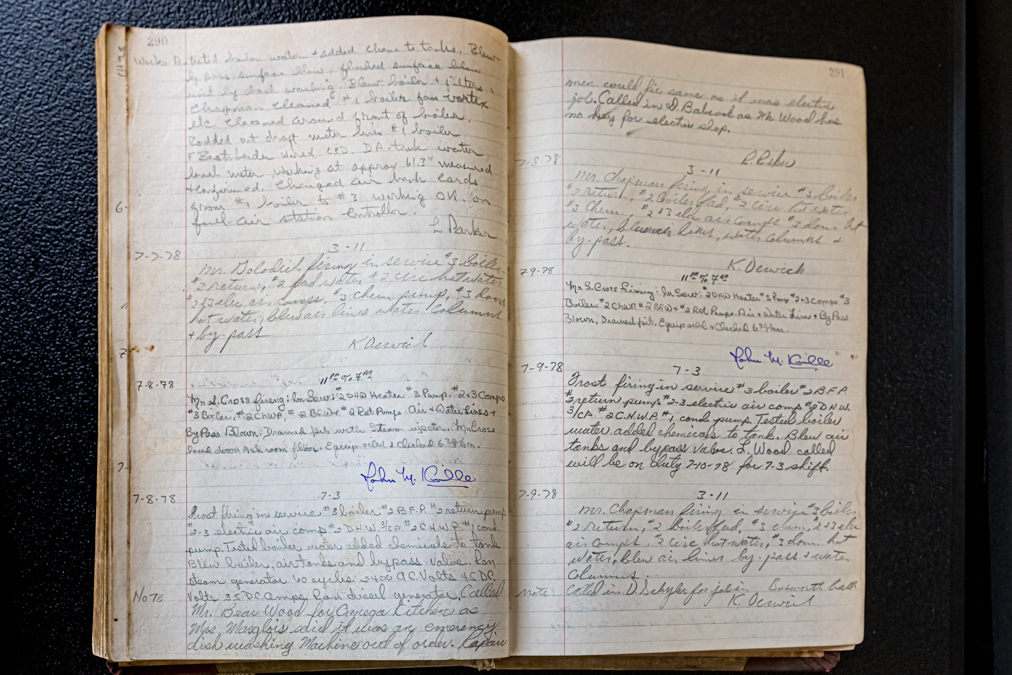
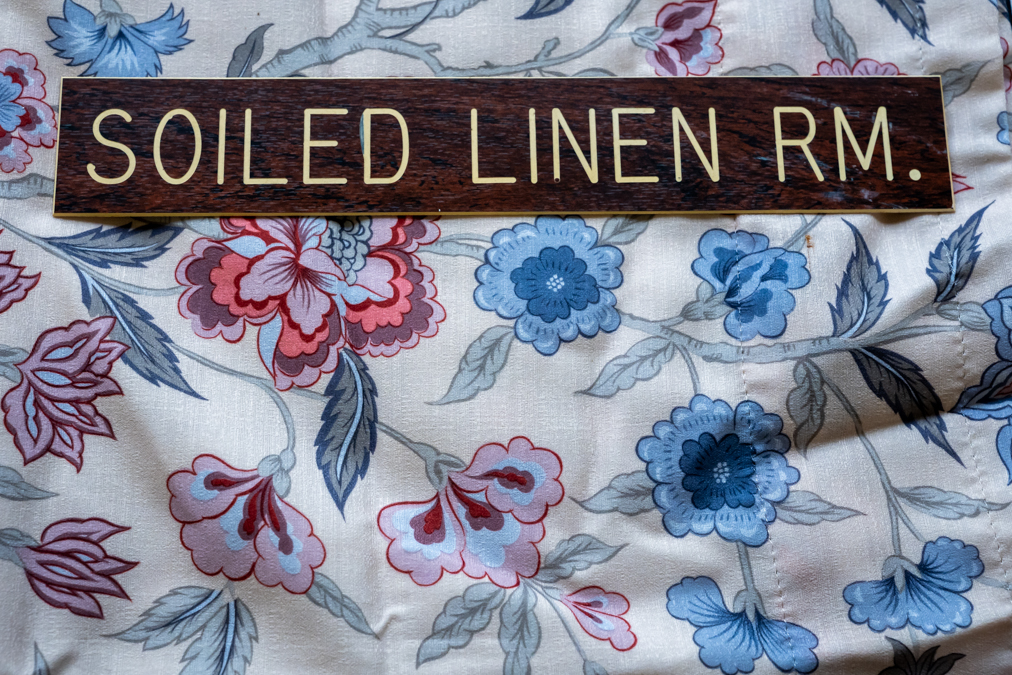
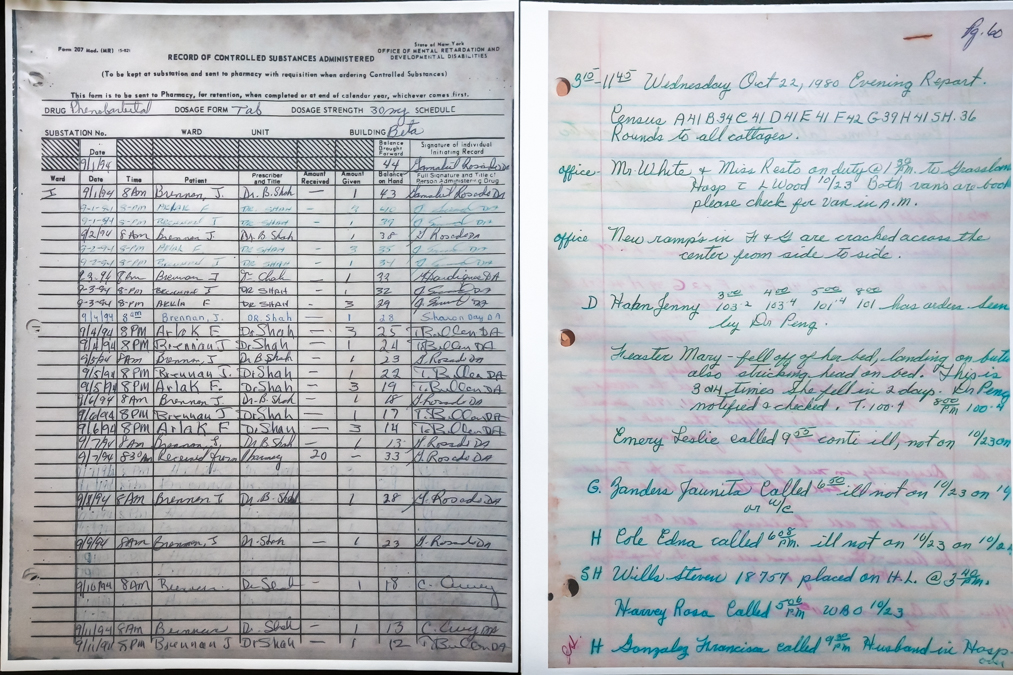
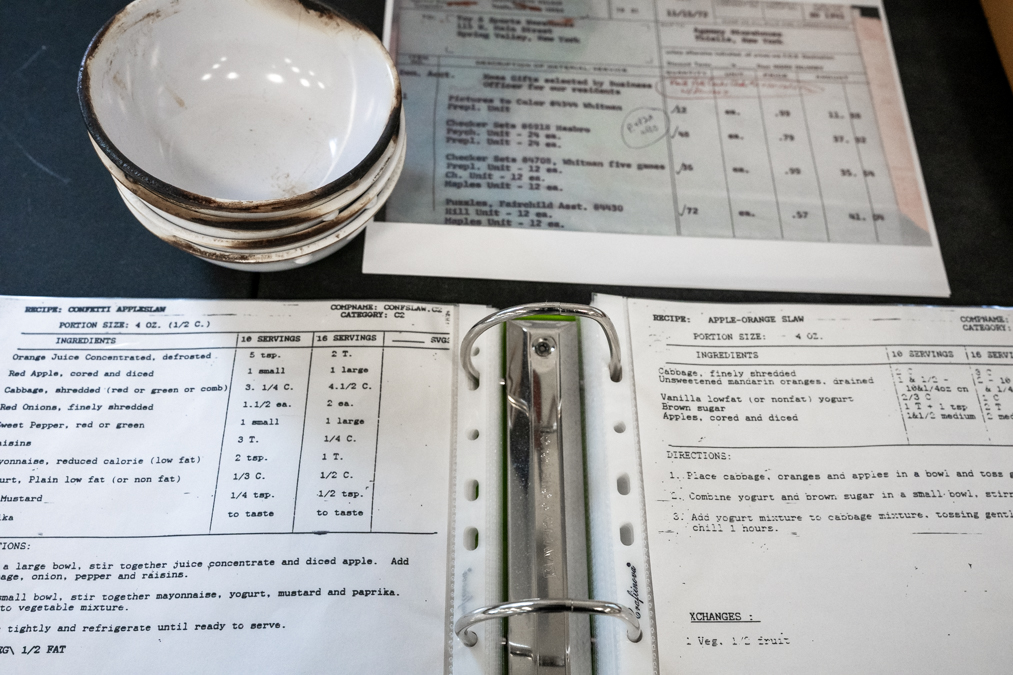
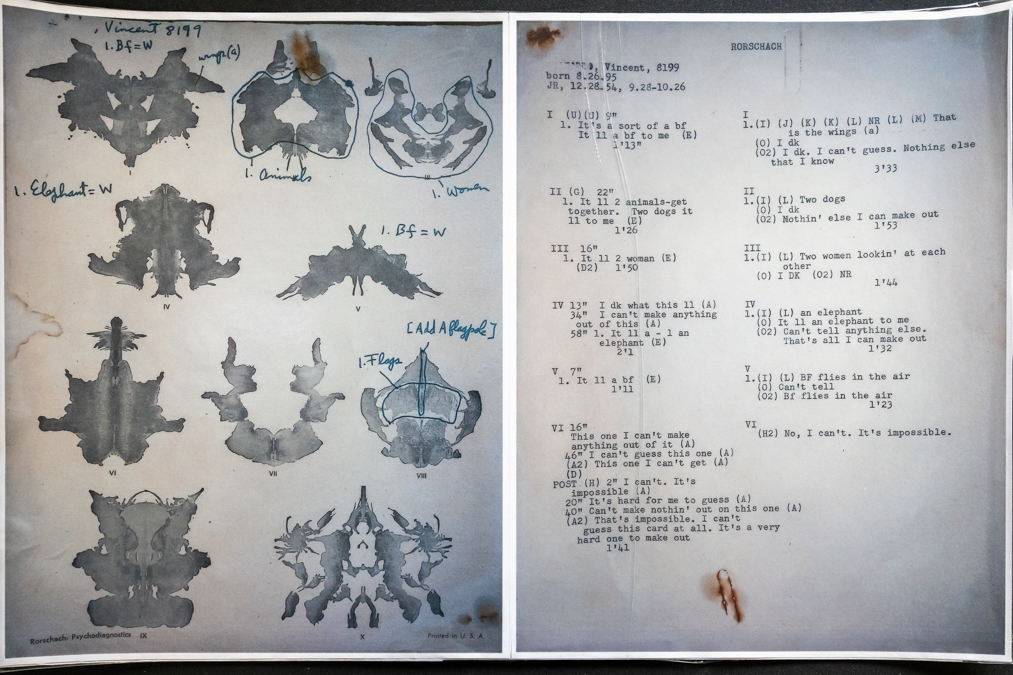
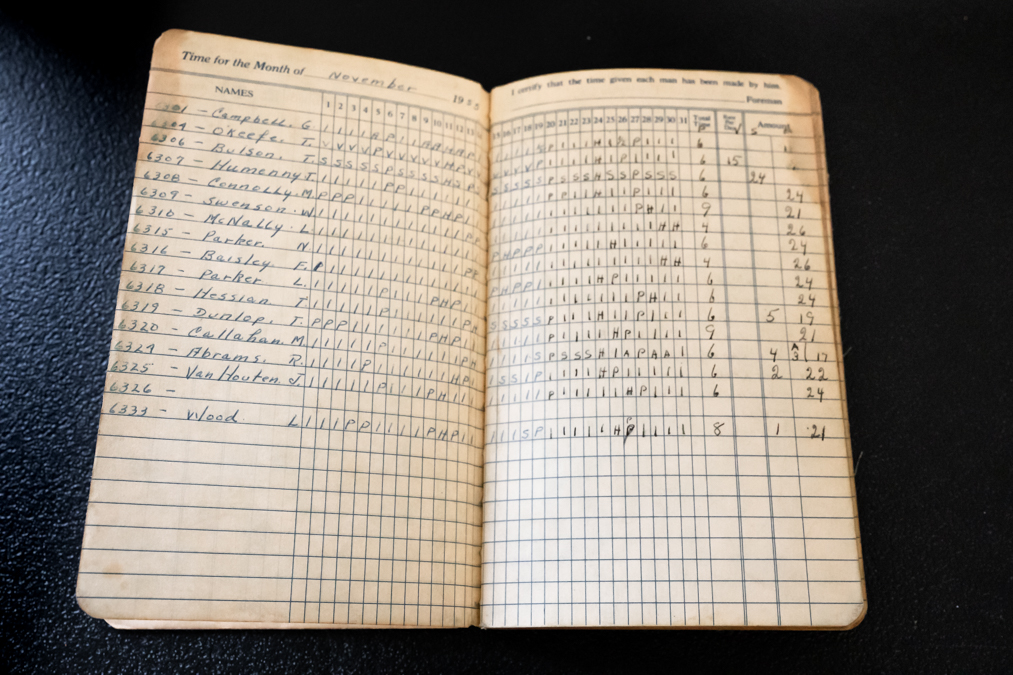
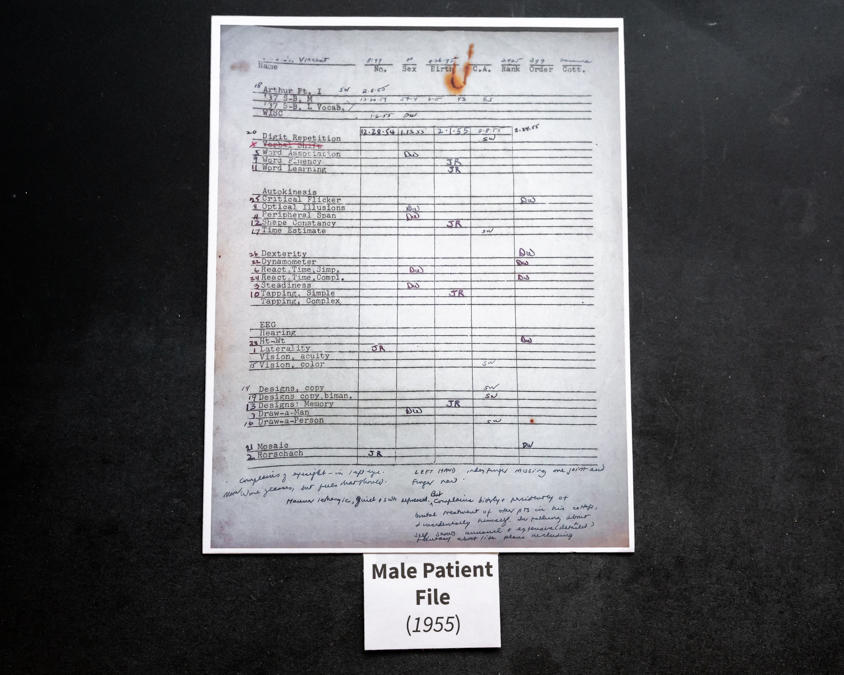
There were former social workers, one who spoke of bringing some patients to his home. “They became part of our family,” he noted. Another former worker reminisced about the music program. “There was even a marching band,” he added, revealing, too, that Letchworth Village patients were not allowed to participate in the Special Olympics. And there were objects — everything from handwritten logs to cafeteria trays.
Why Preserve Them?
“Too often,” the LVPP notes, “the stories of the people who lived and worked at state schools have been overshadowed . . . or left to fade with the decay of its buildings. By researching, preserving documents and artifacts, recording oral histories, and maintaining buildings, the project gives voice to those who were silenced, and tells the story of a community whose experiences helped shape the evolution of disability rights and public policy in the United States.”
LVPP continues to actively collect stories and objects and is also looking for volunteers to be part of its organization. To learn more, visit the Letchworth Village Preservation Project site.
Scenes from the Event and the Letchworth Village Grounds
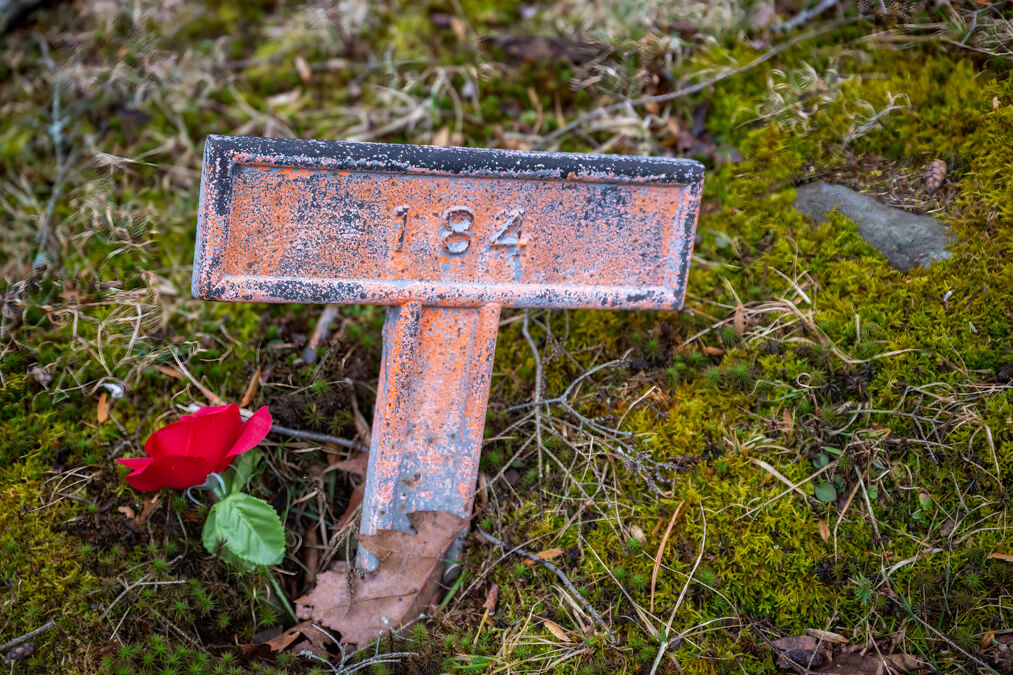
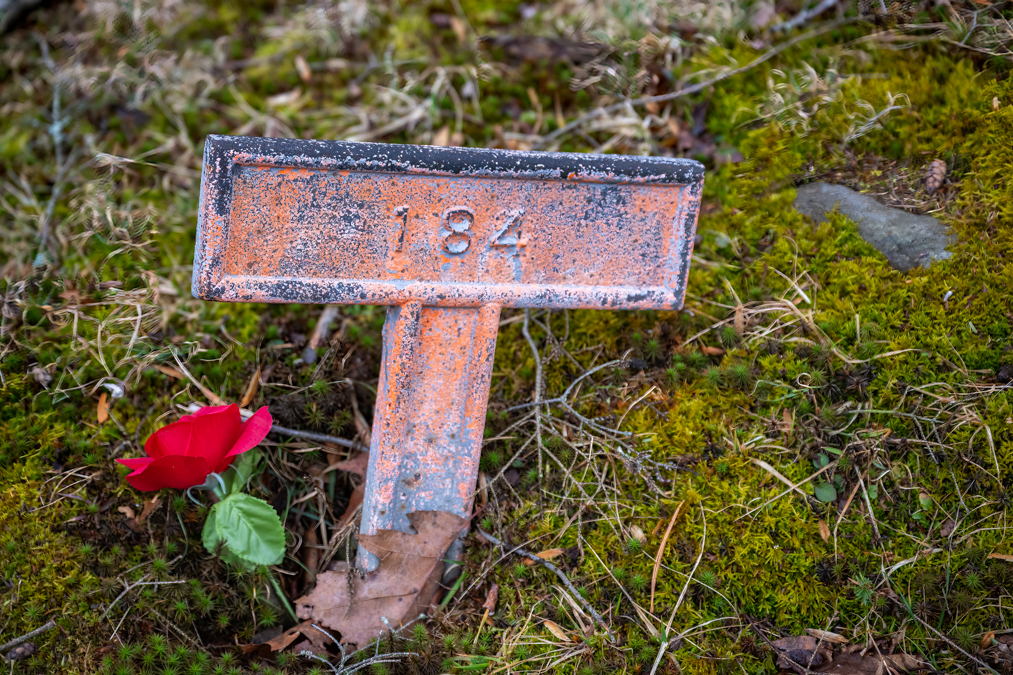
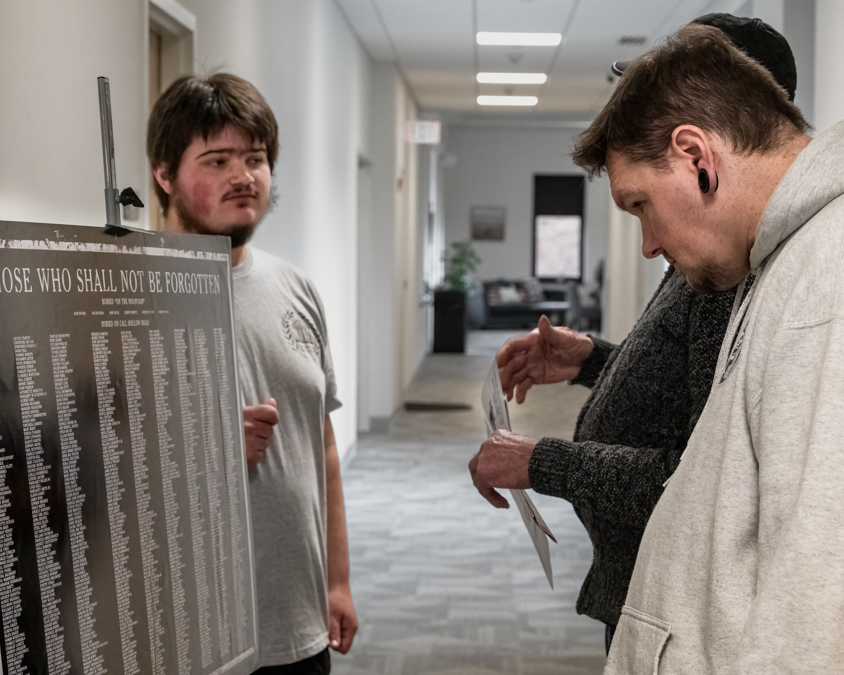
For decades, many of the graves of Letchworth Village patients were unmarked. In 2007, a grassroots movement led to a memorial plaque with the names of more than 900 people who are buried there (photo by Andrea Swenson).
Photo shoot below